













In the UK, a rent freeze is being discussed
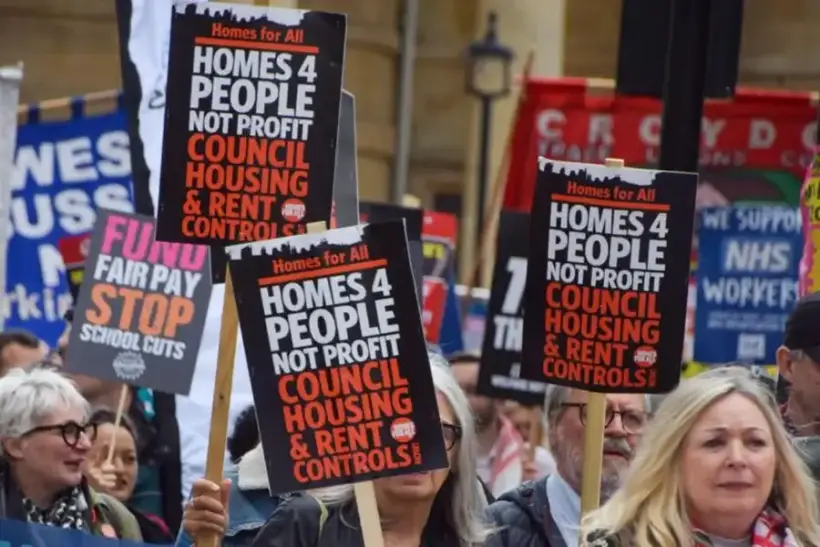
The Guardian
A possible rent freeze in the UK is under consideration, The Guardian reports. The initiative is linked to rising prices and inflation, which continue to accelerate. The idea has already triggered a noticeable reaction in the property market, with industry representatives warning that such measures could negatively affect supply and investment in the sector.
Threat to the private rental sector in the UK
What is being considered for the rental market
The government is discussing introducing a freeze on rents in the private rental sector in England. The expected duration of the restrictions is around one year. Among possible exemptions is the new-build sector, which may be excluded in order not to reduce incentives for developers. Other regulatory tools for the rental market are also being considered, but a full temporary rent freeze is described as one of the most likely options. No final decision has been made. The initiative is seen as part of a broader package of measures to contain rising living costs, which is expected to be presented in the coming weeks.
Why rent freeze proposals are emerging
The changes are driven by increasing inflationary pressure and rising household costs, including potential impacts on mortgage payments and the housing market. The position of international economic institutions is also being taken into account, with forecasts suggesting a deterioration in the UK’s macroeconomic indicators amid rising prices and slowing economic growth.
Political conditions within the country are also a factor, with local elections expected and concerns about declining support for the governing party. In this context, discussions about rent freezes are seen as a way to quickly reduce the cost of living for voters and improve electoral support.
Consequences of a possible rent freeze
Containing price growth
Expert opinion on rent freeze proposals is divided. George Bangham, Head of Social Policy at the New Economics Foundation, said there is already an “affordability crisis” in the UK private rental sector. He noted that rent control mechanisms are used in several Western European countries and pointed out that similar systems operated in England between 1915 and 1989. He believes that, if implemented carefully, such measures could help contain price growth and address affordability issues.
In contrast, Robert Colvile, Director of the Centre for Policy Studies, described the proposal as “a mind-boggling scale of intervention in the private market” and stressed that reducing rents would be impossible without increasing housing construction. In his view, expanding supply should be the main tool for stabilising prices.
Timothy Douglas from Propertymark emphasised that new potential measures are being layered on top of existing reforms, including provisions in the Renters’ Rights Act, which he says reduce flexibility and increase costs for market participants. He added that international experience, including Scotland, shows that rent controls can restrict supply and weaken investment activity.
Eviction mechanism
Partner and Head of Dispute Resolution at Mayo Wynne Baxter, Helen Bell, noted that the Renters’ Rights Act 2025 will abolish “no-fault” evictions from 1 May 2026 and introduce additional mechanisms for regulating rent increases. These changes are already affecting the structure of the market. Some landlords are considering exiting the sector, which could reduce the available housing supply. In addition, tenants already have the ability to challenge rent increases through tribunals.
Outlook for property investment in the UK
Analysts at International Investment note that large-scale reforms of the UK property market are making rules more complex for landlords, property owners and agencies operating in the sector. A high level of regulatory change is already in place, and new signals could further increase uncertainty. Long-term effects of rent controls are generally associated with reduced supply and distorted market mechanisms.
The UK government is attempting to implement a broad set of measures. The Labour Party has pledged to build 1.5 million homes, but current construction levels are around one-third below what would be required to meet that target. Meanwhile, market stability depends largely on increasing housing supply rather than direct price regulation.