











Italy Braces for February Transport Strikes
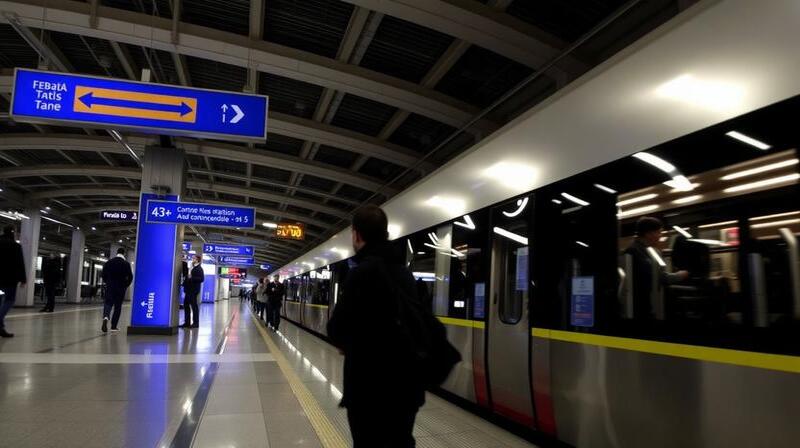
Italy is entering a turbulent February as a dense wave of transport strikes threatens to disrupt air, rail and maritime travel nationwide. With at least twenty separate strike actions scheduled throughout the month, including two twenty-four-hour nationwide stoppages, the country’s mobility networks face repeated interruptions that will affect commuters, tourists and business travellers alike.
Air travel faces the greatest disruption
Air transport sits at the centre of the unrest. A nationwide aviation strike planned for mid-February is expected to impact both domestic and international flights, with Milan’s airports among the most heavily affected. Ground handling services, flight operations and airport support staff are all likely to experience stoppages, leading to widespread delays and cancellations.
The timing is particularly sensitive. February traditionally marks a rise in demand driven by business events, fashion weeks and cultural gatherings, alongside increased leisure travel ahead of Carnival celebrations.
Rail networks prepare for major stoppages
Rail passengers are also facing significant disruption. A full shutdown of high-speed and long-distance rail services is scheduled for the final days of the month, cutting across Italy’s critical north–south corridors. The Milan–Rome route, essential for corporate travel and daily commuting, is expected to see extensive cancellations with limited alternatives.
Earlier in the month, regional rail strikes across central and northern Italy are set to add further instability, affecting suburban and intercity services and complicating travel planning.
Ports and supply chains under pressure
Maritime transport will not escape the impact. A strike by port workers in early February is expected to slow cargo handling and disrupt passenger ferry services. While coastal regions will feel the immediate effects, inland supply chains may also suffer delays, particularly in sectors reliant on time-sensitive logistics.
These knock-on effects extend the consequences of the strikes beyond travel, placing additional strain on manufacturing and retail operations.
Business travel and tourism face uncertainty
For business travellers, February presents a particularly challenging environment. Northern Italy hosts a dense calendar of trade fairs and corporate events, and unreliable transport links are forcing companies to reroute staff, rely on secondary European hubs or shift meetings online.
Tourists, meanwhile, are likely to encounter uneven service availability rather than a total shutdown. Minimum service regulations will keep limited long-distance connections running during nationwide strikes, but regional services are expected to be heavily reduced, complicating journeys for international visitors.
A recurring structural challenge
The scale of February’s disruption highlights a long-standing issue within Italy’s labour and transport systems. Strike notices issued by multiple unions often result in fragmented and rapidly changing information. Although plans exist to centralise strike notifications through a national digital platform, implementation remains years away.
Until then, travellers must navigate a landscape defined by flexibility, contingency planning and constant monitoring of official updates.
Conclusion from International Investment experts:
As International Investment experts note, Italy’s February strike wave underscores the vulnerability of national transport networks during peak periods. For travellers and businesses, the situation raises costs and uncertainty, while for Italy’s economy it poses reputational challenges as a key European travel and logistics hub.