







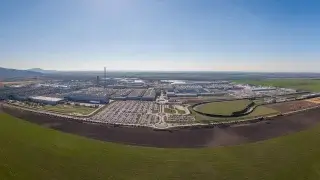




Snow Disruptions at Brussels Airport

Photo: Wikimedia
Brussels Airport has issued a snow alert, warning travellers of longer queues, potential delays and ad-hoc identity checks as winter conditions affect airport operations. Late on 6 January, Brussels Airport Company activated its Code Snow protocol after forecasts predicted up to five centimetres of overnight snowfall.
Code Snow and enhanced border controls
Under the protocol, twelve additional snowplough teams were placed on standby, while Federal Police deployed mobile passport booths at remote stands to ensure manual checks can continue if automated e-gates freeze. Airport operations teams advised airlines to expect de-icing to add 30–45 minutes to aircraft turnaround times, particularly for long-haul departures to North America.
Pressure on Schengen connections
Extended ground handling times pose challenges for travellers with tight Schengen connections. Disrupted boarding sequences can direct passengers into the wrong intra- or extra-Schengen queues, triggering full immigration inspections.
To mitigate this risk, airlines have been instructed to reinforce document checks at the departure gate, even on intra-EU flights, to prevent bottlenecks at passport control.
Visa risks linked to long layovers
For corporate travellers, the main concern is that prolonged delays could push transfer times beyond Belgium’s six-hour threshold, which may trigger short-stay visa requirements for certain nationalities. Airport authorities advise travel managers to pre-arrange lounge access or day-rooms and ensure employees carry physical Belgian residence cards rather than relying solely on digital copies.
Emergency support and rebooking
Brussels Airport has reactivated its Business Travel Centre hotline, first introduced during Storm Felix in 2025. The service coordinates hotel allocations and taxi vouchers for affected corporate groups and previously reduced average rebooking times from three hours to 45 minutes during winter disruptions.
Specialised visa services are also available to help travellers remain compliant when weather-related delays force last-minute changes to itineraries.
Potential slot reductions
If snowfall exceeds forecasts, Brussels Airport may adopt the slot-reduction strategy used by Frankfurt Airport, allowing airlines to cancel flights pre-emptively without penalties in order to preserve de-icing capacity for essential long-haul services.
Companies with critical shipments or VIP delegations are therefore advised to prepare contingency plans, including alternative ground transport routes via Lille or Düsseldorf.
As reported by International Investment experts, extreme weather events increasingly intersect with border management and visa compliance in Europe’s major transport hubs. Effective contingency planning now requires coordination between travel logistics, immigration rules and corporate mobility strategies.