











Messi Turns Property Into a Personal Empire
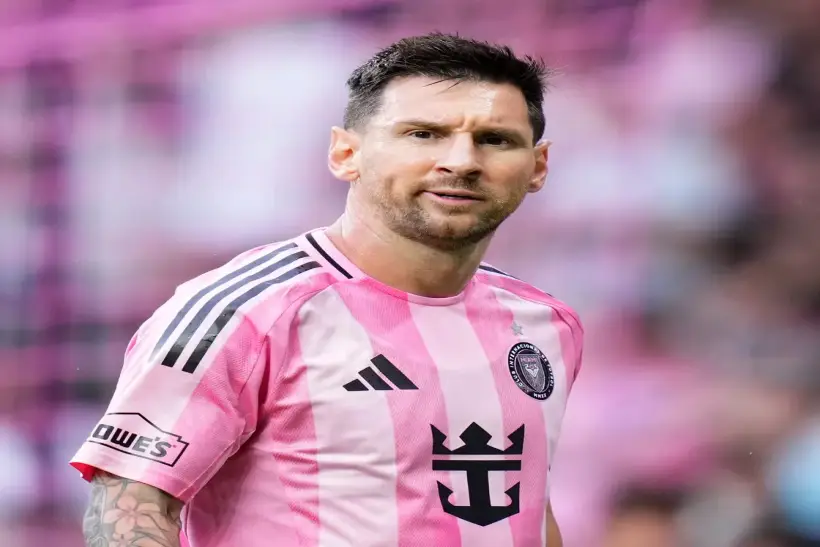
Lionel Messi has long ceased to be only a football star. His real estate has become a separate global structure, combining family residences, investment apartments, trophy homes, hotel assets and strategic bases in cities where sport, capital, tourism and personal security intersect. The portfolio, valued by Elle Decor at about $300 million, shows how a superstar can turn career geography into a long-term ownership map.
Messi’s Property Becomes a Global Portfolio
Lionel Messi owns assets across several countries and continents, from Spain and Argentina to the United States and Mediterranean island real estate. This is no longer a random collection of homes bought as he moved between clubs. The portfolio reflects the footballer’s life path: Rosario as his hometown, Barcelona as his main European base, Miami and Fort Lauderdale as the American chapter, and Ibiza and hotels as a bet on luxury tourism.
Elle Decor values his total real estate holdings at about $300 million. That figure includes not only private homes but also investment properties, hotel assets, apartments and assets linked to his Spanish structure Rostower. For an athlete, this represents a shift from career income to capital that can work after his playing days end.
In Messi’s case, real estate performs several functions. It is family space, capital protection, status symbol, investment asset, mobility infrastructure and a hospitality business. This approach is typical of a new generation of ultra-wealthy athletes: they do not simply buy houses, but build systems of presence in key jurisdictions.
Fort Lauderdale Becomes the Family’s US Base
After joining Inter Miami in 2023, Messi established himself in Florida. His main US home is a mansion in the gated Bay Colony community in Fort Lauderdale, purchased for about $10.75 million. Forbes and Architectural Digest reported that the waterfront home spans about 10,500 square feet and includes 10 bedrooms, 9.5 bathrooms, a pool and a three-car garage.
For Messi, this is not merely a luxury home but a practical base near Inter Miami’s football infrastructure. Fort Lauderdale offers more privacy than denser parts of Miami Beach while maintaining access to the club, airports, schools, water and a gated lifestyle. Security, quiet and the ability to live as a family outside constant tourist noise all matter in the choice of location.
Bay Colony is a typical ultra-premium Florida market: gated streets, waterfront lots, private docks, security and low density. For global buyers, such a property works simultaneously as housing, capital and an insurance asset in the United States. In Messi’s case, it is also tied to a professional phase that sharply increased the value of his brand in the American market.
Sunny Isles Beach Becomes an Investment Showcase
Before buying the Fort Lauderdale home, Messi was already visible in South Florida’s condominium market. His portfolio reportedly includes apartments in Porsche Design Tower and Regalia in Sunny Isles Beach, as well as interest in other premium properties, including Trump Royale and Cipriani Residences Miami. Elle Decor says he owns a roughly $5 million condo in Porsche Design Tower and a full-floor unit in Regalia worth about $7.3 million.
Sunny Isles Beach is one of the most international luxury-condo markets in the Miami area. Latin American, European and Middle Eastern investors buy there for ocean views, service, security and the ability to hold dollar assets. For Messi, it is a natural environment: Latin American capital, a football audience, Spanish-language infrastructure and global liquidity.
A condominium follows a different logic from a mansion. The Bay Colony house provides privacy and a family format. A high-rise apartment in Sunny Isles provides service, views, investment liquidity and exposure to one of the most recognizable luxury clusters in the United States. The two categories do not compete; they complement each other.
Castelldefels Remains an Emotional Base
Messi’s Spanish home in Castelldefels, near Barcelona, remains one of the key assets in his portfolio. Architectural Digest wrote that the family compound is about 12 miles from Camp Nou and includes a gym, spa area, theater, pool, terraces and a small football pitch. The home is tied to the most important part of Messi’s career: his years at FC Barcelona.
Castelldefels is not central Barcelona, but a coastal town that has long attracted footballers, entrepreneurs and wealthy families. It offers the sea, privacy, schools, proximity to the airport and access to the Catalan capital without the daily pressure of a metropolis. For Messi, it was an ideal base during his life in Spain.
In November 2025, Messi said the family misses Barcelona and talks about the possibility of returning, because they have their house and familiar infrastructure there. That makes the Spanish residence not merely a past asset, but a possible future base. For the market, such homes preserve value not only through square footage, but through the owner’s emotional attachment.
Rosario Keeps the Argentine Center of Gravity
Native Rosario remains part of Messi’s personal geography. In open publications, his Argentine property is often called The Fortress, a large family residence valued at around $4 million. For a global athlete of this level, a hometown property performs a special function: it is less an investment than a connection to origin, family, childhood and Argentine identity.
Rosario is not as liquid an international market as Miami or Barcelona. But for Messi, the value of the property is not determined only by resale potential. It is a private center to return to outside the sports and commercial infrastructure. In ultra-wealthy portfolios, such assets often exist as personal rather than financial holdings.
Argentine real estate more broadly is again attracting investor attention amid reforms, lower inflation and recovering transaction volumes. But Messi’s Rosario property cannot be directly compared with the mass market. It is a trophy family residence where the main driver is personal history, not yield.
Ibiza Is Expensive but Complicated
The Mediterranean part of the portfolio includes an Ibiza mansion valued in reports at about $12.8 million. Ibiza is one of Europe’s most expensive and supply-constrained markets: the island combines club culture, private villas, beach infrastructure, yacht demand and high international recognition. For a celebrity of Messi’s level, it is a natural location where lifestyle and capital meet.
But the Ibiza property has reportedly faced legal questions connected to occupancy certification. This is an important detail because it shows that even celebrity purchases do not eliminate regulatory risks on European islands.
In elite island markets, documents, permits, renovations, coastal restrictions and environmental rules often matter more than price itself. A buyer may pay millions for a villa but then face problems legalizing extensions, connections, licenses or usage. The Ibiza story is a reminder that luxury real estate is not always legally simple.
MiM Hotels Turns the Brand Into a Business
A separate part of Messi’s portfolio is the MiM Hotels hospitality business. The portfolio includes six boutique hotels in Sitges, Sotogrande, Mallorca, Ibiza, Baqueira Beret and Andorra. In 2025, it was announced that Meliá Hotels International would manage these properties and incorporate them into The Meliá Collection. That moves Messi’s hotel assets from a celebrity-branded concept into a more institutional operating format.
A boutique hotel is a small or medium-sized hotel with individual style, local identity and more personalized service than mass-chain properties. For Messi, this category is logical: it allows him to connect his name, premium tourism and locations tied to leisure, sport and lifestyle.
Meliá’s management is important from an investment perspective. A celebrity owner can attract attention, but a professional hotel group provides operating standards, booking distribution, staff management, revenue management and quality control. This reduces the risk that the hotels are perceived only as memorabilia built around Messi’s name.
Rostower Shows the Financial Side
The Spanish company Rostower, linked to Messi, reveals the more businesslike side of his real estate. Cinco Días reported that Rostower was created in 2013 and later converted into a socimi, Spain’s version of a real estate investment company focused on owning and leasing assets. In 2024, the company recorded a loss of almost €7.5 million, largely because of revaluation of investment property.
A socimi is a structure similar to a REIT that owns real estate and earns rental income. This format makes a portfolio more transparent, but also shows market fluctuations: assets may generate income while their valuation declines in a particular period.
This is an important qualification to the image of a $300 million “empire.” A large portfolio does not mean automatic profit every year. Real estate requires maintenance, management, taxes, capital spending and revaluation. Even Messi’s assets can show temporary accounting losses if markets or valuations move.
The Portfolio Follows Career Geography
Messi’s real estate almost exactly follows his career map. Rosario is origin. Barcelona and Castelldefels represent football formation and his main European fame. Paris in the asset structure reflects his PSG period and interest in European urban markets. Miami and Fort Lauderdale are the new American chapter. Ibiza, Mallorca, Sitges and Andorra form the resort-hospitality layer.
Many global athletes build portfolios this way, but Messi’s scale is particularly visible. He did not simply buy where he played. He secured presence in places that retain personal, commercial or tourism value after a club change. In that sense, real estate became a way to turn a mobile sports career into permanent assets.
This approach reduces dependence on one market. If one region weakens, others may preserve value. Florida provides dollar liquidity and the US legal and tax context. Spain provides a cultural and family base. Argentina provides identity. Hotels provide operating income and exposure to tourism demand.
Celebrity Real Estate Works as a Brand Asset
A Messi home is not like an ordinary home even when it is technically similar in size and function. The owner’s name creates additional symbolic value. For neighbors, brokers, developers and media, Messi’s presence becomes a market event. That was visible in Florida, where the Bay Colony purchase drew new attention to the area.
The celebrity effect is the influence of a famous owner on the perception of a property or location. It does not always directly raise prices across an entire district, but it can create extra interest, prestige and media visibility. In Messi’s case, the effect is especially strong because he connects football audiences across Latin America, Europe and the United States.
However, a celebrity premium does not make every asset liquid. The next buyer will still look at location, documents, condition, layout, security and market price. Messi’s name can add a story, but it does not replace the fundamentals of the asset.
Florida Strengthens Athletes as Investors
Messi’s move to Inter Miami coincided with a broader trend: Florida has become one of the leading jurisdictions for celebrities, business leaders and athletes. Business Insider has linked the shift to the absence of state income tax, warm climate, a developed luxury market and post-pandemic capital migration.
For athletes, Florida is convenient for several reasons. It offers privacy, international airports, a Spanish-speaking environment, tax appeal, access to water and strong luxury housing infrastructure. Miami is also becoming not only a tourism hub but a financial and technology center, increasing investor interest.
Messi amplified that trend because his arrival in MLS turned South Florida into a football showcase. His real estate became part of the same story: sport, brand, capital, urban transformation and lifestyle product working together.
A Luxury Portfolio Is Not Passive Wealth
Messi’s portfolio looks glamorous, but managing such assets is complex. Private homes require security, staff, taxes, repairs, insurance, legal support and compliance with local rules. Condominiums require association fees, management, leasing or upkeep. Hotels require an operator, staff, occupancy, marketing and ongoing investment.
For an ultra-wealthy owner, the problem is not buying an asset but managing it well. Poor management can turn even prestigious real estate into a source of expenses, disputes and reputational risk. That is why professionalization through Meliá in the hotel segment looks like a rational step.
This distinguishes Messi’s portfolio from a simple set of celebrity homes. It is gradually becoming a structured business in which personal ownership, family use, rental, hotels and corporate form coexist. For athletes after retirement, such a structure can be more important than another endorsement contract.
Real Estate Becomes Part of Messi’s Legacy
Messi is building this portfolio as his playing career approaches its final phase. In this context, real estate functions as a bridge between the status of an active athlete and life after football. It gives the family bases in several countries, investment protection and a business that does not depend on stepping onto the pitch.
For fans, Messi’s real estate looks like a luxurious biographical detail. For the market, it is an example of how global athletes use capital: buying in dollar jurisdictions, maintaining ties to their home country, keeping European bases, entering hospitality and choosing assets that can function as a brand.
The main point is that Messi’s property holdings are not random. They reproduce his personal map while also forming his financial map. As experts at International Investment report, the critical meaning of Messi’s portfolio lies not in the number of homes or their price, but in diversification: if football created global income, real estate turns that income into geographically distributed capital, where family residences, resort assets and hotels protect the brand and the fortune after the sporting era ends.
FAQ
How much is Lionel Messi’s real estate portfolio worth?
Elle Decor estimates Lionel Messi’s global real estate portfolio at about $300 million. It includes private homes, apartments, investment assets and hotel businesses.
Where is Messi’s main home in the United States?
Messi’s main US residence is in Bay Colony, Fort Lauderdale, Florida. The home was bought for about $10.75 million after his move to Inter Miami.
What properties does Messi have in Miami?
Reports mention apartments in Porsche Design Tower and Regalia in Sunny Isles Beach, along with interest in other premium projects including Trump Royale and Cipriani Residences Miami.
Why is the Castelldefels home important to Messi?
The home near Barcelona is tied to his FC Barcelona career and family life in Spain. It remains one of the family’s main emotional bases.
What is MiM Hotels?
MiM Hotels is the hotel portfolio linked to Messi. It includes six boutique hotels in Spain and Andorra: Sitges, Sotogrande, Mallorca, Ibiza, Baqueira Beret and Andorra. The properties are now managed by Meliá Hotels International.
What risks exist in Messi’s luxury real estate portfolio?
Even elite assets require management, legal checks, tax planning, maintenance and compliance with local rules. The Ibiza example shows that an expensive villa can still face regulatory questions.