











Europe Sets New Limits on Overtourism: How Spain and Italy Are Redefining Visitor Management
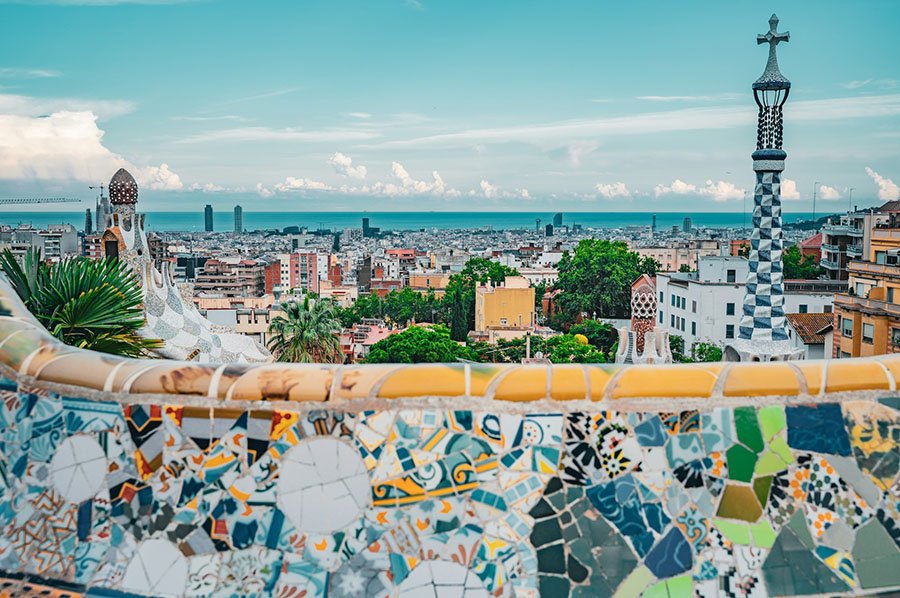
Photo: Unsplash
Overtourism has become one of the most pressing global challenges for major travel destinations. Spain and Italy, home to some of the world’s most iconic cities and heritage sites, are now at the forefront of efforts to regulate visitor flows and protect local communities. As overcrowding strains infrastructure, threatens cultural landmarks and inflates housing prices, both countries are transitioning toward more deliberate, sustainability-focused tourism models.
Spain’s Strategy: Balancing Growth with Preservation
Spain has long embraced mass tourism as a pillar of its economy, yet cities such as Barcelona and the Balearic Islands now face unprecedented pressure. In Barcelona, the introduction of a tiered tourist tax marks a fundamental shift toward more responsible visitor management. The revenue supports the preservation of cultural sites, upgrades to public infrastructure and environmental protection programs, allowing the city to remain vibrant without compromising its livability.
The Balearic Islands have taken an equally ambitious approach. With destinations like Mallorca and Ibiza attracting millions of visitors each year, authorities have imposed additional taxes on short-term rentals and tourist services. Funds are reinvested into environmental preservation, coastline protection and sustainable development projects aimed at reducing ecological strain on the islands’ delicate ecosystems.
Spain is also imposing visitor caps at major attractions, including the Sagrada Família and the Alhambra. These limits safeguard historical monuments from wear and overcrowding, while ensuring that the tourist experience remains meaningful, comfortable and culturally enriching.
Italy’s Response: Protecting Cultural Icons from Collapse
Italy’s historic cities have long thrived on global admiration, yet the exponential growth of tourism has pushed destinations such as Rome, Florence and Venice to their limits. Venice, in particular, faces existential challenges: its fragile architecture, narrow canals and densely packed squares are unable to withstand uncontrolled visitor flows.
To mitigate these pressures, Venice introduced an entry fee for day-trippers — a pioneering move designed to discourage short-term mass tourism. The charge aims to reduce crowding during peak hours, alleviating strain on public spaces, transport routes and centuries-old structures. Additional limits on visitor numbers at major attractions like St. Mark’s Basilica and the Doge’s Palace further reinforce the city's new preservation-first agenda.
Italy is also tackling the consequences of widespread short-term rental platforms. In Rome and Florence, the proliferation of Airbnb listings has contributed to rising housing costs and the depopulation of historic districts. By regulating rental durations, imposing new licensing requirements and restricting availability, Italy seeks to protect residential communities while maintaining a healthy tourism economy.
Italy’s evolving policies reflect a deeper shift toward safeguarding heritage, restoring balance in urban life and promoting long-term sustainability across its most visited destinations.