







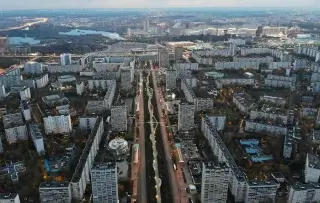
 New-Build Home Prices in Russia Rise 34% in Three Years
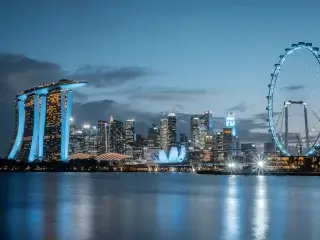 Singapore Core Inflation Hits Highest Since 2024
 High Prices Cool Hong Kong New-Home Demand
 Housing rent in Tirana takes up 93% of the average salary
 Airbnb Growth Accelerates Across Australia and Asia
 Nordic Property Investment Rises 16% as Rates Stay High
Sri Lanka Tourism Accelerates Into 2026
Record arrivals signal strong recovery
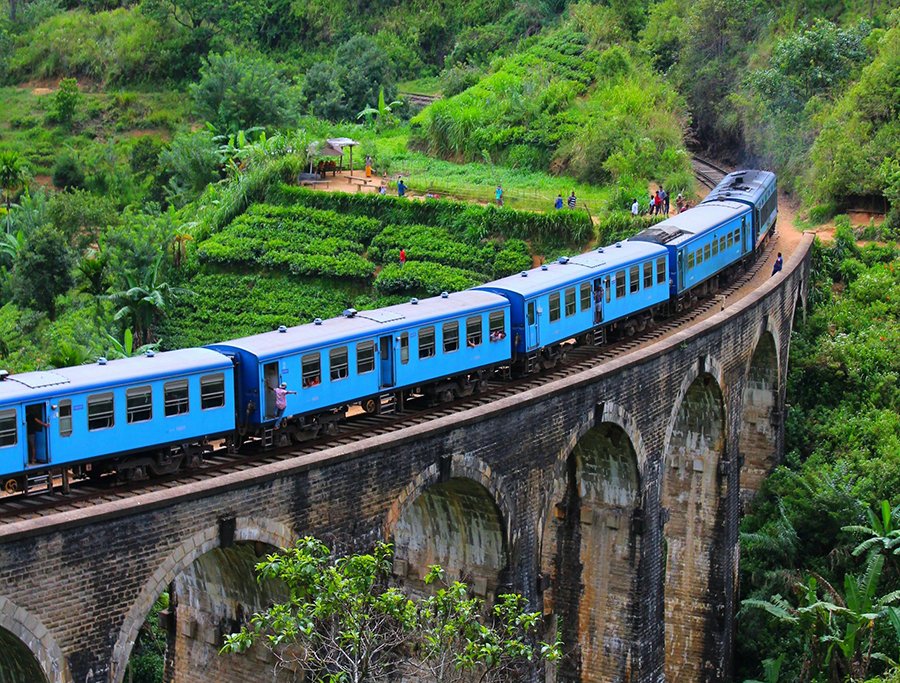
Sri Lanka’s tourism sector delivered one of Asia’s strongest recovery stories in 2025, welcoming more than 2.36 million international visitors despite the severe impact of Cyclone Ditwah late in the year. Tourism generated approximately $3.2 billion in revenue, reinforcing its position as the country’s second-largest source of foreign exchange and underscoring the sector’s resilience amid economic and environmental challenges.
A broader mix of source markets
A defining feature of the current surge is the diversification of visitor origins. Alongside established markets such as India, Russia, China, Germany, France and Spain, Poland has emerged as a notable new contributor. The growing presence of Eastern European travelers reduces Sri Lanka’s reliance on a narrow set of source countries and strengthens the sector’s long-term stability.
India and Russia anchor demand
India remains Sri Lanka’s largest source market, supported by proximity, cultural ties and strong air connectivity. Russia has become another critical growth driver, particularly in long-stay leisure and resort tourism. Together, these markets have played a stabilizing role, sustaining hotel occupancy levels and supporting recovery in coastal destinations.
Europe and the rise of Poland
Traditional European markets such as Germany, France, Spain and the United Kingdom continue to deliver steady demand, particularly for cultural, nature-based and wellness tourism. Poland’s rapid rise in 2025 stands out as a strategic shift, highlighting Sri Lanka’s growing appeal among travelers from emerging European economies with increasing outbound travel potential.
Infrastructure, access and positioning
Improved air connectivity, targeted international marketing and post-disaster reconstruction efforts have underpinned the tourism rebound. Sri Lanka is increasingly positioning itself as a diversified, year-round destination, offering a mix of beach tourism, heritage experiences, wildlife and wellness, which helps reduce seasonality and enhance visitor spending.
Aiming for 3 million visitors in 2026
The government’s target of 3 million tourist arrivals in 2026 represents a year-on-year increase of around 27%. Given current momentum and expanding demand from both traditional and emerging markets, the goal appears achievable, provided that infrastructure investment and sustainable tourism management keep pace with growth.
As reported by International Investment experts, Sri Lanka’s tourism surge reflects more than cyclical recovery, pointing instead to a structural strengthening of the country’s position in the Asian travel market. In 2026, long-term success will depend on market diversification, sustainable development and the ability to manage growth without undermining environmental and cultural assets, all of which are critical for sustained investor confidence.