







 Sydney Housing Enters a Sharp Correction
 Google Moves Hotel Booking Into AI Search
 Britain’s £5,000 Citizenship Route Fails to Dent Demand
 Philippines’ Inflation Trap Forces Rates Higher
 India’s Domestic Tourism Boom Leaves Foreign Arrivals Behind
 Oman Eases Residency Rules for Foreign Property Owners
Thailand Cuts Visa-Free Stay from 60 to 30 Days
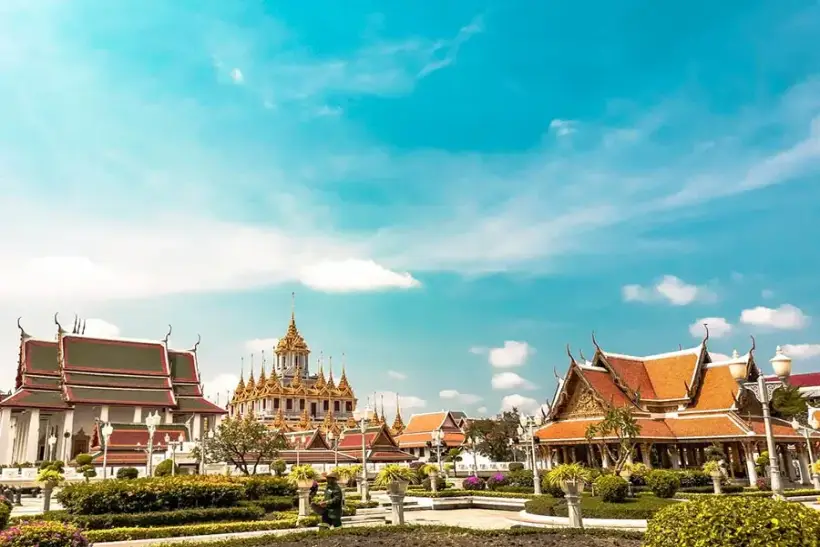
Thailand has abolished the extended visa-free stay scheme that had been in place since 2024. The visa-free period for tourists from many countries, including Russia, has been reduced from 60 to 30 days. The new rules were published on August 31, 2026, and will take effect 15 days later, according to the Royal Gazette.
How Thailand’s Visa Policy Has Changed
The 60-day visa-free regime came into effect in Thailand on July 15, 2024. The number of participating countries and territories was expanded from 57 to 93. The new rules allowed visitors to enter for tourism and short-term business purposes and, if necessary, extend their stay by another 30 days through the immigration authorities.
The measure was part of a broader liberalization of visa policy. The same package included an expansion of the Visa on Arrival program and the launch of the Destination Thailand Visa for remote workers, freelancers, and participants in long-term educational, sports, and other programs. The authorities expected these measures to attract more international visitors and support the kingdom’s economy.
In August 2026, Thailand’s Ministry of Interior decided to abandon the expanded scheme. The official document links the revision to the current situation, economic security considerations, and the development of the tourism industry.
Who Can Travel to Thailand Visa-Free
The Ministry of Interior approved a list of countries and territories whose citizens will be able to travel to Thailand visa-free for tourism for up to 30 days. The list includes 60 countries and territories and covers major markets in Europe, Asia, and North America. Among them are the United States, Canada, the United Kingdom, Germany, France, Italy, Spain, China, India, Japan, South Korea, and Australia. Among former Soviet countries, Georgia, Kazakhstan, Latvia, Lithuania, and Estonia are included.
Russia is not on the list, but the visa-free stay for Russian citizens has also been reduced to 30 days under a separate bilateral agreement. Until September 14, 2026, Russian citizens can still enter under the current 60-day scheme, while from September 15 the previous arrangement will apply again.
A separate restriction applies to entry through land borders. Foreign nationals may use the visa-free regime for such crossings no more than twice per calendar year. The rule does not apply to citizens of Malaysia, Brunei, Indonesia, and Singapore. The authorities may also expand the list of exemptions.
Reasons for the Changes in Thailand
One reason for revising the rules was the misuse of Thailand’s visa-free regime. The Thai government noted that long stays without the appropriate immigration status can create opportunities for illegal activity and trips unrelated to tourism. In reviewing the rules, the authorities also considered security issues, the country’s economic interests, international relations, and the principle of reciprocity.
The kingdom also decided to simplify its entry system. Each country will be subject to a single visa-free arrangement, which should prevent overlaps between different rules and permitted lengths of stay.
The authorities also intend to strengthen oversight of foreign visitors. They will use data from the Thailand Digital Arrival Card, which travelers complete before entering the country. Information on previous trips, border crossings, and the declared purpose of travel should help identify violations and cases of visa-free entry being used for purposes other than those intended.
Thailand’s New Tourism Model
Tourist arrivals in Thailand are declining, yet the country is simultaneously tightening entry rules and revising its approach to developing the sector. The authorities aim to increase revenue through higher visitor spending and by attracting more affluent travelers. On August 24, the government presented its 2027 program, The Year of Transformation, which targets revenue growth of at least 5%, promotes lesser-known regions, and calls for more active expansion into new overseas markets.
Analysts at International Investment note that the shorter visa-free period is less significant for the conventional tourism industry, as leisure trips usually last less than 30 days. The new conditions will primarily affect foreigners seeking longer stays for wintering or remote work. Cutting the period to 30 days will increase the need for extensions, trips abroad, or long-term visas, while some of this audience may choose other Southeast Asian destinations with easier residence rules.
As a result, demand may decline for rental housing, coworking spaces, cafés, and other services widely used by foreigners who remain in the country for several months. The outlook for the new model will depend on the balance between higher tourist spending and a possible decline in long-term stays.