











US Shutdown Cost Tourism $6 Billion. A political crisis with economic impact
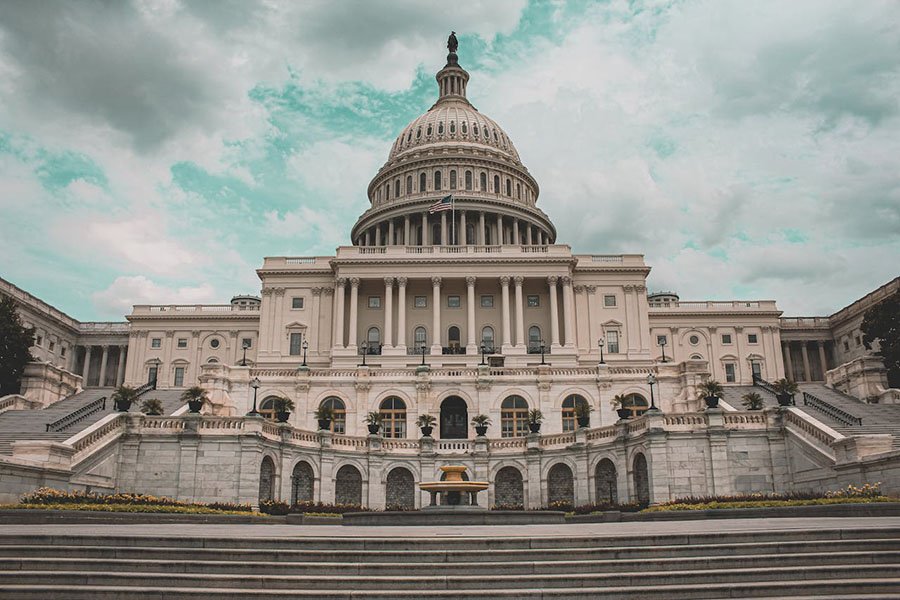
Photo: Pexels
The late-2025 federal government shutdown once again demonstrated that such disruptions are not merely political standoffs but immediate economic shocks to the US transportation system and travel industry. The effects are felt quickly across airports, hotels, and destination communities that rely on visitor spending to sustain jobs and growth. According to estimates by US Travel and Tourism Economics, the shutdown generated more than $6 billion in losses across travel and related sectors.
Strain on the transportation system
During a shutdown, critical aviation personnel — including air traffic controllers, TSA officers, and US Customs and Border Protection staff — are required to work without pay. This policy places severe strain on the workforce responsible for passenger safety and system continuity. Past shutdowns have shown that unpaid labor leads to staffing shortages and cascading operational disruptions. In November, the Federal Aviation Administration reduced flights at 40 high-volume airports due to a shortage of controllers, triggering widespread delays and cancellations nationwide.
Demand for travel collapses
Beyond supply-side disruptions, shutdowns significantly suppress travel demand. Official government travel ceases entirely, while government-related business trips are halted. At the same time, major public attractions, including national parks and Smithsonian museums, are closed, reducing destination appeal and visitation. These impacts ripple outward, lowering visitor spending and imposing costs on airlines, hotels, restaurants, small businesses, and local economies.
Quantifying the economic damage
An analysis of the longest shutdown, which lasted from October 1 to November 12, 2025, highlights the scale of the damage. Over 43 days, the travel economy lost approximately $6.1 billion. On average, daily trips across the United States declined by around 88,000, illustrating how quickly uncertainty and system disruption suppress travel activity.
Public support for reform
Despite the political origins of shutdowns, there is strong bipartisan public support for protecting transportation workers. A nationwide Ipsos survey conducted with US Travel found that four out of five Americans support paying air traffic controllers and TSA officers when they are required to work during a shutdown. This consensus reflects widespread recognition that America’s passenger transportation system depends on a stable and fairly treated workforce.
Legislative progress and remaining gaps
Lawmakers have begun to respond. The House Transportation and Infrastructure Committee unanimously passed HR 6086, the Aviation Workforce Financial Stability Act, which guarantees pay for air traffic controllers during future shutdowns. While this represents meaningful progress, it does not yet cover all essential workers, and broader protections for TSA and CBP personnel remain under discussion.
A disproportionate blow to a core industry
Travel supports roughly 15 million jobs in the United States and serves as a cornerstone of national and regional economic growth. Government shutdowns disproportionately harm this sector, creating costly and unnecessary disruptions that far outweigh any short-term political leverage. The experience of 2025 reinforces the case for safeguarding travel continuity and ensuring compensation for workers who keep the system functioning.
As International Investment experts report, the 2025 US government shutdown highlighted a critical institutional risk for the travel economy, with billions in losses underscoring the urgency of protecting aviation operations and guaranteeing pay for essential transportation workers.