











Tokyo to Introduce New Accommodation Tax for Tourists from 2027
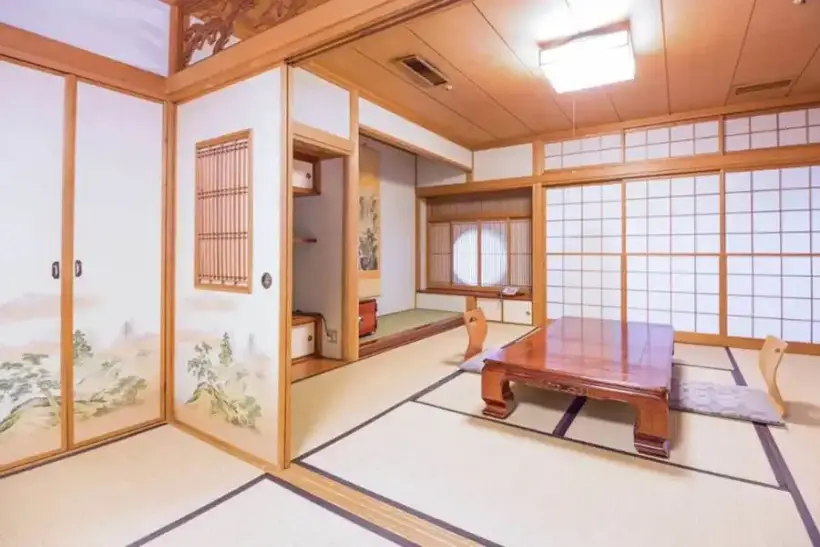
The Tokyo Metropolitan Government has approved a reform of the accommodation tax, which will come into effect in April 2027. The new rules will apply to hotels, traditional Japanese inns (ryokan), as well as short-term rental properties through licensed services, including Airbnb, SoraNews24 reports, citing the Tokyo Metropolitan Government Tax Bureau and NHK.
How Tokyo’s Tourist Tax Will Change
Currently, Tokyo’s accommodation tax depends on the room price and is charged at a fixed rate. For stays costing between ¥10,000 and ¥15,000 ($62–93), each guest pays a tax of ¥100 ($0.6) per night. For accommodation priced above ¥15,000, the tax is ¥200 ($1.2). Stays costing less than ¥10,000 per person per night are exempt from the tax.
From April 2027, the system will change. The tax-free threshold will be raised to ¥13,000 ($81) per person per night, while more expensive accommodation will be subject to a 3% tax based on the total cost of the stay.
For example, if two people stay in a room costing ¥30,000 ($186) per night, the total accommodation tax will be ¥900 ($5.6), or ¥450 ($2.5) per guest. Under the current system, the same room would be subject to a total tax of ¥400 ($2.5), or ¥200 per person.
Tokyo Tax to Apply to Airbnb and Guesthouses
One of the key changes is that the tax will be extended to licensed short-term rental properties and guesthouses, which were previously exempt.
From 2027, guests booking accommodation through services such as Airbnb will also pay the tax. The amount will depend on the cost of the stay.
The new system will apply equally to Japanese citizens and foreign visitors. Authorities explained that checking guests’ nationality or residency status would make tax administration more complicated, so the tax will be based solely on the fact of an overnight stay.
According to estimates by the Tokyo Metropolitan Government, the updated system will generate around ¥19 billion ($118 million) annually. The funds will be used for tourism-related projects, including improving the visitor experience, supporting areas affected by high tourist numbers, strengthening accommodation services, and promoting cleaner and more sustainable tourism.
Tourist Taxes in Other Japanese Cities
Tokyo is not the first Japanese city to introduce a tourist tax. Similar accommodation taxes are already in place in several popular destinations across the country.
Kyoto. The city introduced its accommodation tax in 2018. Until March 2026, rates ranged from ¥200 to ¥1,000 ($1.2–6.2) per person per night. From March 1, 2026, a new system was introduced, with rates ranging from ¥200 to ¥10,000 ($1.2–62) per night. The highest rate applies to rooms costing ¥100,000 ($620) or more. The revenue is used to address overtourism, preserve cultural heritage, and develop urban infrastructure.
Osaka. The tourist tax was introduced in 2017 and initially applied only to accommodation costing ¥10,000 ($62) or more per night. From September 2025, the tax-free threshold was lowered to ¥5,000 ($31), meaning more properties became subject to the levy. The tax ranges from ¥100 to ¥300 ($0.6–1.9) per person.
Fukuoka. The accommodation tax was introduced in 2020. In most accommodation facilities, it amounts to ¥200 ($1.2) per person per night, with ¥150 allocated to the city budget and ¥50 to the prefectural budget.
Kanazawa. The tax has been in effect since 2019 and ranges from ¥200 to ¥500 ($1.2–3.1). Accommodation costing less than ¥5,000 ($31) is exempt.
Similar taxes are also charged in other Japanese tourist destinations. In Niseko, the rate ranges from ¥100 to ¥2,000 ($0.6–12.4) per night; in Atami it is ¥200 ($1.2); in Takayama it ranges from ¥100 to ¥300 ($0.6–1.9); and in Nagasaki from ¥100 to ¥500 ($0.6–3.1).
Japan Follows a Global Trend
International Investment analysts note that the introduction and expansion of accommodation taxes reflects a global approach to managing tourism flows. Popular destinations are increasingly using such charges as a tool to finance infrastructure, protect historic areas, and reduce pressure on local communities.
Similar taxes are already in place in many countries across Europe, Asia, and the United States. The amount and collection methods vary: some destinations charge a fixed nightly fee, while others apply a percentage of the accommodation cost. Increasingly, these taxes apply not only to hotels but also to other types of accommodation, including short-term rentals.
At the same time, major tourist cities around the world are tightening regulation of the short-term rental market. Licensing requirements, property registration, limits on rental periods, and additional obligations for property owners have become part of tourism management policies. These changes are important for investors considering rental real estate as an income source, as regulations directly affect operating costs, the availability of properties for short-term rentals, and overall investment returns.