







 Hot Summer Boosts UK Domestic Tourism
 Manila Condo Inventory Hits Record as Values Weaken
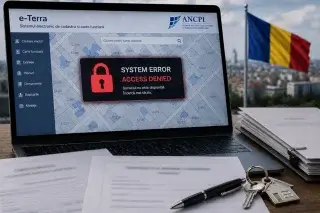 Cyberattack Paralyzes Real Estate Transactions in Romania
 Short-Term Rental Rates in Greece Rise to €200 per Night
 Asia-Pacific Property Investment Hits Record $92.5 Billion
 Scandinavian Prefab Housing Market Seen Reaching $7.9 Billion
Bank-Owned Homes Gain Ground in Lithuania

Lithuania’s bank-owned property niche becomes more visible
Lithuania’s housing market is entering 2026 with a more visible segment of bank-owned property, including apartments, houses and commercial premises that reach buyers after borrower default, enforcement proceedings or failed auctions. Noteclarified describes these assets as a distinct source of secondary-market supply, often sold through banks, asset managers or auction channels.
The market remains far smaller than standard private listings, but it is gaining attention from buyers looking for documented ownership history, clearer legal transfer and possible discounts.
How repossessed property sales work in Lithuania
When a borrower fails to meet mortgage obligations, the property may first be offered through electronic auctions. Lithuania operates the evarzytynes.lt platform, where premises, apartments, land plots, buildings and other assets are listed for public sale.
The European e-Justice Portal explains that a bailiff values seized property at market price, taking depreciation into account, while bidders must pay a deposit before the auction starts. The winning bidder is the participant offering the highest price.
If auctions fail, a bank may take the asset onto its balance sheet and later sell it directly. For buyers, that can mean a cleaner ownership transfer, although it does not remove the need for technical inspection, legal review and renovation budgeting.
Vilnius prices keep buyers searching for alternatives
Lithuania entered 2026 after a strong housing cycle. LRT reported that the record 2025 market could face further price pressure in 2026 as looser lending rules and pension-system changes support demand.
Ober-Haus said its 2025 Lithuania and Vilnius market review covers residential, office, retail, warehouse, land and investment transactions, underlining the breadth and maturity of the country’s property market.
Lithuania’s residential property price index, published through FRED, reached 268.22 points in the fourth quarter of 2025, up from 262.01 points in the previous quarter.
Transaction costs remain comparatively low
Lithuania’s appeal is supported by relatively low transaction costs. Market and legal sources commonly cite mandatory buyer costs such as notarisation and ownership registration, with notary fees often estimated at about 0.45% of the transaction value.
For bank-owned assets, this matters because a headline discount can be offset by renovation, valuation, legal checks, registration and holding costs. The real saving appears only after the buyer calculates the total cost of acquisition and repair.
Mortgage rules shape buyer behaviour
The Bank of Lithuania’s responsible lending framework sets rules for assessing borrower solvency and limiting excessive credit risk.
That makes mortgage pre-approval important. Buyers of bank-owned or auctioned property often need to move faster than in a standard private transaction because auction deadlines and internal bank approval procedures leave less room for extended negotiation.
Where investors may find opportunities
The opportunity is not limited to Vilnius and Kaunas. Regional cities may offer lower entry prices and rental demand linked to industrial, logistics and local employment growth. In those markets, repossessed homes can appeal to investors focused on long-term rental income.
The main risk is technical condition. A property may have clean title but still require major repairs, utility upgrades or additional approvals. In such cases, a 10% to 15% discount may not be enough to compensate for future spending.
As experts at International Investment report, bank-owned property in Lithuania in 2026 should not be treated as a simple route to cheap housing. It is a more specialised channel for prepared buyers who can verify title, inspect the building, secure financing in advance and price renovation risk before making an offer.
FAQ
What is bank-owned property in Lithuania?
It is property controlled or sold by a bank after borrower default, enforcement proceedings or unsuccessful auctions.
Can it be cheaper than the open market?
Sometimes, but the final benefit depends on repair costs, legal review, financing and transaction expenses.
Where can buyers find these properties?
They can monitor electronic auctions, bank asset-sale pages and professional real estate intermediaries.
Is a lawyer necessary?
Yes, legal review is advisable, especially when the property has gone through enforcement or has a complex ownership history.
Can foreigners buy bank-owned property in Lithuania?
In many cases yes, but buyers should check land ownership rules, financing conditions, registration procedures and tax issues.