







 Vietnam Mortgage Surge Pushes Homes Out of Reach
 Lithuanian Apartment Prices Accelerate Across Major Cities
 London Flats Lose Value Ahead of Leasehold Reform
 Construction of the Batumi–Sarpi Highway Begins in Georgia
 Baltic Property Investment Accelerates in 2026
 Hong Kong and Singapore Renew Their Expat Rivalry
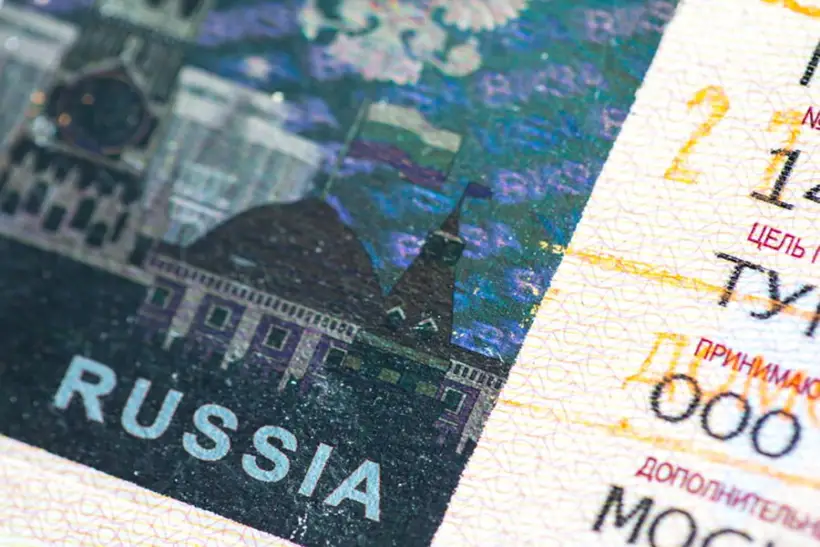
The program targets highly qualified and educated foreign nationals
Russia has developed a new program to attract specialists from abroad, Gazeta.Ru reports. One-year business visas will be issued to foreign nationals recognized as being of interest to the country. Their family members will also be eligible to apply for residence permits. Authorities aim to improve the overall quality of migration through this mechanism.
Who will qualify
Vedomosti notes that on December 2, 2025, Russian President Vladimir Putin signed a decree supporting the relocation of foreign nationals considered valuable to the country. The document prioritizes specialists who have contributed to economic and social development, strengthened national security and defense, or possess in-demand professions, unique competencies, or high qualifications.
Foreign Minister Sergey Lavrov added that applicants may also include individuals with achievements in science and technology, industry, sports, creative fields, culture, education, and other key sectors. Applications will be accepted from citizens of any country, with decisions based on professional accomplishments and qualifications.
Eligible applicants and their family members will be granted multiple-entry business visas through Russian diplomatic missions and consulates. The program will take effect on April 15, 2026.
Background
The initiative gained momentum after the Strong Ideas for a New Time forum held in 2024. The event highlighted the need to attract foreign professionals interested in long-term careers in Russia. Following the forum, the Agency for Strategic Initiatives, in cooperation with the Ministry of Internal Affairs, developed proposals that formed the basis of the presidential decree. These agencies will oversee implementation.
In January 2026, State Duma deputy Mikhail Delyagin proposed introducing talent visas for highly qualified foreign nationals. His proposal included a longer validity period of up to three years and simplified procedures for obtaining residence permits. He cited international research showing that migrant qualifications significantly affect the economic impact on host countries.
Presidential adviser Anton Kobyakov stated that the new status is designed to attract knowledge, technology, and professional expertise. The mechanism is expected to create additional conditions for inflows of skilled specialists and strengthen the country’s human capital.
Lifetime entry ban
The LDPR faction has also proposed a lifetime entry ban for foreign nationals convicted of serious crimes. Currently, restrictions are temporary, after which re-entry becomes possible. The proposed measure would eliminate that possibility regardless of whether the conviction has been expunged.
Additional measures under discussion include restricting foreign workers from changing employers during their first year of employment, with possible deportation if contracts are terminated early. The Ministry of Internal Affairs will also gain automatic access to foreign nationals’ income data through the Federal Tax Service, enabling closer monitoring of employment and compliance.
Conclusion
Analysts at International Investment note that Russia’s migration policy is shifting toward a more selective model. The introduction of talent visas creates a dedicated mechanism to attract foreign professionals with in-demand skills and simplifies their long-term stay.
At the same time, proposals such as lifetime entry bans for individuals with serious criminal records and expanded employment monitoring reflect efforts to reduce risks and increase oversight. Experts say the emerging system links access to the labor market and residency more closely to qualifications, professional value, and compliance. However, since February 2022, Russia has become less attractive as a relocation destination, meaning that inflows of foreign specialists may remain limited even with targeted programs in place.