







read also
 Australia’s Spring Auctions Rise but Remain Well Below 2025
 Number of Foreigners Holding Turkish Residence Permits Exceeds 1.27 Million
 Demand from Russian Tourists for Holidays in Georgia Rises by 20–25%
 Montenegro Property Buying Costs in 2026
 Four in Ten Companies Would Not Choose Slovakia
 Gulf Countries Prepare Unified Tourist Visa
EU Tightens Visa-Free Rules Amid Security Risks
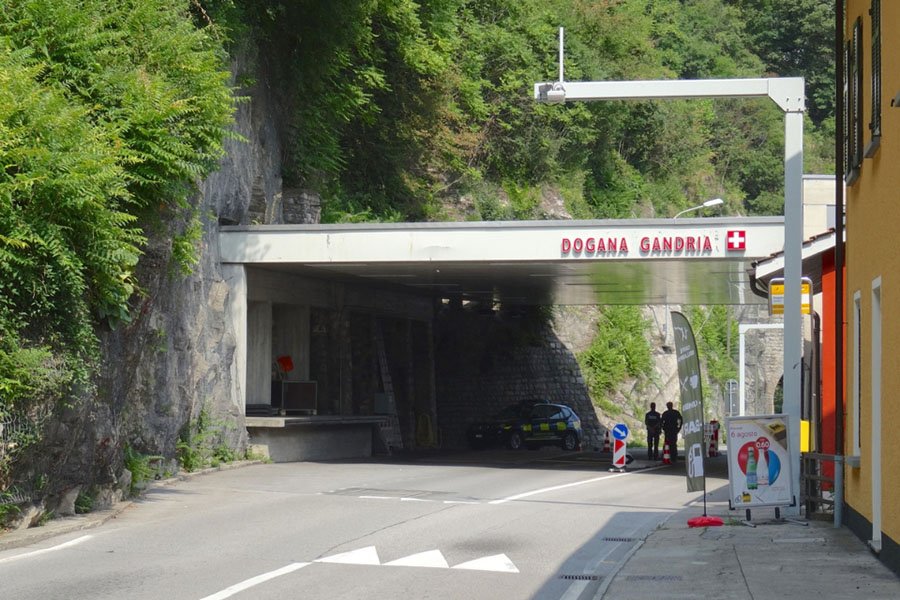
The European Union has approved sweeping reforms to its visa-free suspension mechanism, allowing the bloc to act faster when non-EU countries pose migration or security risks. The decision follows a sharp rise in asylum claims, increased irregular stays and political calls across member states for stronger border controls.
According to the Council of the EU, the new system will enable the Union “to react quicker and more vigorously” when visa-free access is misused or no longer aligned with EU interests.
Lower thresholds and longer suspension periods
The reform lowers the statistical threshold that can trigger a review. Instead of a 50% rise in irregular migration indicators, the EU can now reconsider a country’s status after a 30% increase.
The duration of suspension has been expanded as well. The initial suspension may last up to twelve months instead of nine, while extensions can run for an additional twenty-four months.
The EU also gains flexibility: suspensions may target specific traveler groups, such as government officials, rather than all citizens of a country.
The regulation will take effect twenty days after publication and apply automatically across the Schengen Area.
More grounds for restricting visa-free travel
New triggers include lack of alignment with EU visa policy, the use of investor citizenship programs (“golden passports”), human rights concerns, deterioration in relations with the EU, hybrid threats and weaknesses in document security or border management.
According to the Council, the updated rules ensure that “the EU can halt visa exemption” if a partner country’s practices undermine shared values or create operational risks.
Countries under closer scrutiny
While neutral by design, the new mechanism may affect several visa-free states. The European Commission’s 2024 monitoring highlighted Western Balkan and Eastern Partnership countries including Albania, Serbia, Bosnia and Herzegovina, Montenegro, North Macedonia, Georgia, Moldova, Ukraine and Kosovo.
All met the basic requirements, but recurring challenges persist, such as unfounded asylum claims and visa-policy discrepancies. Georgia received particular attention due to gaps in human rights protections.
The EU’s only prior use of the suspension tool was the 2024 revocation of visa-free access for Vanuatu over its investor citizenship program.
Border technology will redefine travel
The reform coincides with the rollout of two major systems:
— EES, which records non-EU entries and exits and helps detect overstays;
— ETIAS, requiring visa-free travelers to obtain online authorization prior to arrival.
These technologies will feed real-time data into decision-making, allowing quicker assessments under the revised suspension rules.
Political momentum behind the reform
Migration and security concerns increasingly dominate European political debates. Lower thresholds allow governments to request investigations more easily, making the mechanism a more active tool of EU governance and external policy.
What comes next
Safeguards ensure that long-term suspensions must account for the potential harm to civil society in affected states. Yet the EU is clearly preparing for more assertive use of the mechanism as migration pressures evolve and border technologies mature.
For millions of travelers, this may translate into stricter pre-entry controls, longer processing times and more frequent reviews of visa-free arrangements.
Expert conclusion from International Investment:
The EU’s tougher stance highlights a shift toward linking mobility privileges with geopolitical alignment and migration compliance. Visa-free access will increasingly depend on data-driven assessments, diplomatic relations and each country’s ability to meet evolving security standards.