












Macau’s Biometric System Reshapes Airport Travel
MIA One ID and the evolution of airport processing
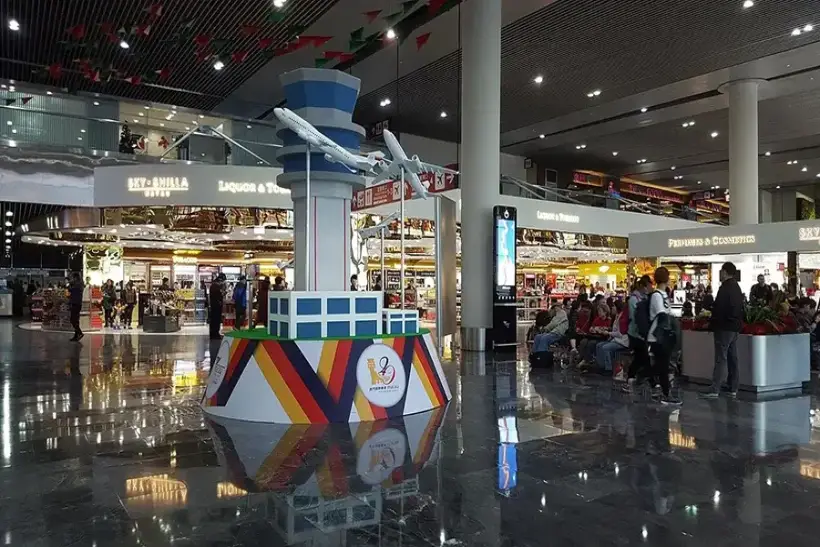
Macau International Airport has introduced MIA One ID, a biometric identification system that allows passengers to move through the airport using facial recognition instead of repeated document checks. The system covers key stages of the passenger journey, from check-in to boarding, significantly reducing processing time and congestion.
Available to travellers aged 11 and above with electronic travel documents, MIA One ID integrates with self-service kiosks and e-security gates, increasing throughput while maintaining security standards.
Operational gains for Singapore Airlines, Cathay Pacific and Air China
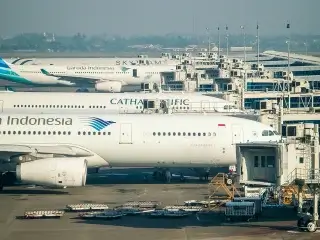
For airlines such as Singapore Airlines, Cathay Pacific and Air China, which operate key regional routes to Macau, the system delivers measurable operational benefits. Faster boarding and more predictable ground handling improve on-time performance and reduce aircraft turnaround times.
In a highly competitive Asia-Pacific aviation market, efficiency at hub airports directly influences route economics and passenger preference.
Cost efficiency and improved passenger experience
By reducing reliance on manual document checks, biometric processing lowers operational friction and minimises errors that often cause delays. For international carriers, this translates into better customer satisfaction and stronger brand loyalty, particularly among frequent and premium travellers.
A smoother airport journey enhances the overall travel experience without increasing airline costs.
Spillover benefits for Macau’s hospitality sector
The impact of biometric processing extends beyond aviation. Faster airport clearance supports short stays, weekend travel and spontaneous visits, directly benefiting Macau’s hotel, entertainment and MICE sectors.
As airlines increase capacity and passenger flows become more efficient, demand for accommodation, dining and leisure services is expected to rise, strengthening Macau’s tourism economy.
Macau within the global biometric trend
While biometric travel solutions are promoted globally by IATA, Macau stands out for implementing a full end-to-end system rather than isolated checkpoints. This positions the airport as a regional benchmark for digital passenger processing.
Conclusion
Macau’s MIA One ID is not simply a technology upgrade. It is a strategic infrastructure investment that reshapes airline operations, enhances tourism flows and strengthens the city’s competitive position.
According to International Investment experts, early adoption of biometric systems gives Macau a structural advantage as Asia moves toward fully digital, frictionless air travel.