







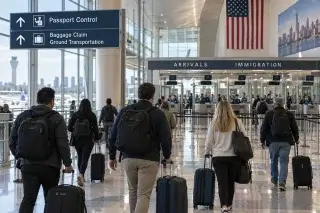
 US Introduces Visa Bonds of Up to $20,000 for Tourists From 50 Countries
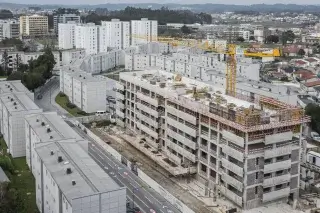 Portugal Secures €1.5 Billion for Social Housing
 Mortgage Lending in Georgia Increased by Nearly 50%
 Irish Homes Are 17% Overvalued as Supply Lags
 Buses from Latvia to Russia and Belarus May Be Cancelled
 Egypt’s Economy Accelerates to 5.1%
Inflation in Venezuela Reaches 600%: Hope on the Dollar
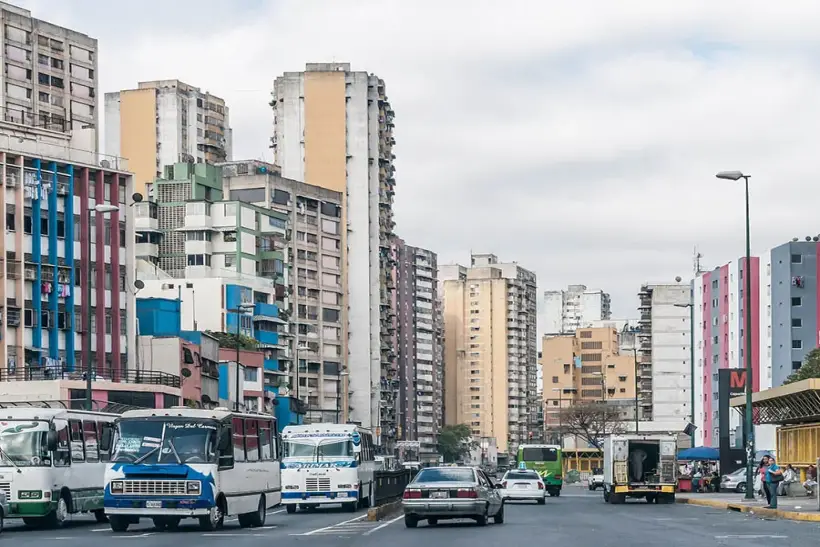
In Venezuela, discussions are intensifying about shifting to the US dollar as the main means of payment amid rapidly rising prices. Inflation in the country has reached around 600% year on year, sharply increasing social and economic tensions, Bloomberg News reports, citing an AtlasIntel survey.
The survey was conducted among 3,626 adults in Venezuela between May 21 and May 25. The margin of error is plus or minus 2 percentage points.
Dollarization and the idea of a “51st state”
Deteriorating living conditions continue to be a key driver of public sentiment. Support for dollarization is growing, with 57% of respondents approving the initiative, while about 30% opposed it.
At the same time, the economy has been partially dollarized since 2019, after authorities eased restrictions on US currency transactions. However, a large share of the population still earns income in bolivars.
Neither the Venezuelan government nor the Trump administration has formally backed full dollarization. Instead, US President Donald Trump has floated the idea of turning Venezuela into the 51st US state, a proposal rejected by nearly half of respondents, while only 21% support it.
Public sentiment in Venezuela
A large share of the population describes the economic situation as extremely difficult. About 79% of respondents said conditions in May were bad, an increase from the previous month. Economic instability is further weakening trust in the current leadership.
The disapproval rating of acting President Delcy Rodríguez reached 59%, up nearly 12 percentage points from April. This marks the sharpest increase since she took office in January, after Nicolás Maduro was captured by US forces. Over the same period, negative assessments of the government rose by about 10 percentage points.
Inflation surge and oil collapse
Donald Trump has said he would deliver economic recovery in Venezuela after Maduro was removed from power. However, conditions have worsened. Inflation accelerated to 475% in December and approached 600% in April, according to the central bank.
A key pressure factor has been the collapse of the oil sector. Production fell by 21% to 780,000 barrels per day in January, while exports dropped sharply. This has restricted the flow of dollars, the currency that effectively underpins everyday economic activity in the country. Attempts by the new administration to stabilize the currency market through dollar auctions have so far failed to deliver consistent results.
Expert commentary
International Crisis Group analyst Phil Gunson notes that ordinary citizens have seen no tangible improvement: inflation remains high, the bolivar continues to weaken, and wages remain at poverty levels.
Economist Luis Vicente León says rising expectations are outpacing real incomes. More than 75% of the population expect improvement in the future, but employment and income indicators remain weak. Social pressure is also increasing, with protests growing, especially among workers and pensioners demanding higher wages and pensions amid rising living costs.
Analysts at International Investment expect inflation to remain elevated in the near term without currency stabilization and structural reforms. They also point to rising risk for business and investment. A widening gap between official and market exchange rates adds further inflationary pressure and complicates pricing and financial planning.