







 Covivio Hotels Revenue Grows 4.7% as European Markets Split
 Lithuanian Apartment Prices Accelerate Across Major Cities
 Georgia's Tourism Revenue Hits Record High
 Norway's Sovereign Fund Commits €1.5bn to European Warehouses
 Market Rout of October 2026: Can Branded Hotels Protect Capital?
 Residential Property Prices in Tbilisi Rise by 5.9% Year-on-Year
Dozens of UAE Beaches Closed After Oil Spill
Gulf news
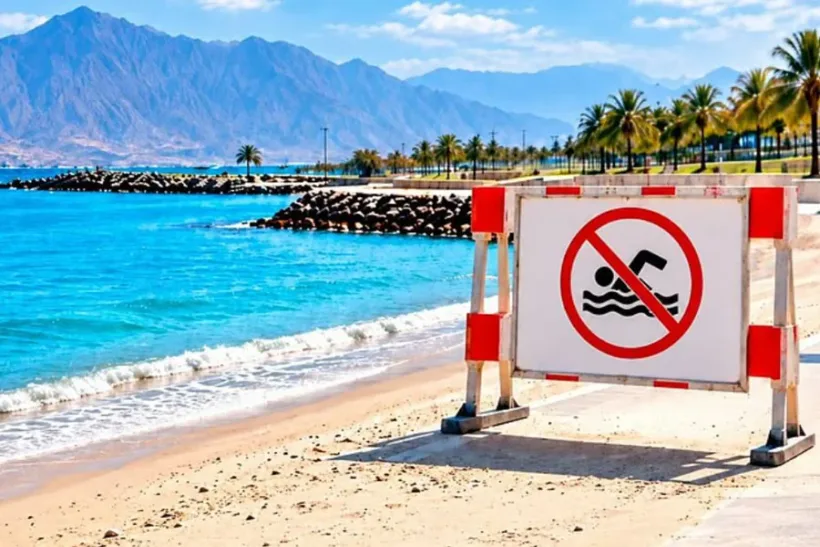
Many UAE beaches remain closed following an oil spill off the country's northern coast. On October 30, authorities said the leak from the Gem No. 2 tanker had been stopped and pollution levels had fallen significantly. Restrictions on beach access and swimming remain in place in Umm Al Quwain, Ras Al Khaimah, Sharjah and Ajman. No reopening dates have been announced.
Restrictions in Four UAE Emirates
On October 23, authorities closed all beaches in Umm Al Quwain following the oil spill. Environmental teams began cleaning affected areas. The same day, neighboring Sharjah restricted access to the Al Hamriyah recreational area over concerns that the slick could reach the coast.
Restrictions were extended to Ras Al Khaimah on October 24. The swimming ban remains in force until further notice. At some hotels, swimming pools and restaurants remain open.
On October 28, Sharjah's city beaches were also closed. Officials said the measure was intended to protect visitors and prevent oil products from reaching the shore.
Ajman beaches also came under restrictions on October 28. Despite the swimming ban, some tourists continued entering the sea at a nearby public beach. Guests at the Ramada hotel said the water initially appeared clean, but a strong smell and black particles later emerged. By noon, police had ordered swimmers out of the water and then instructed them to leave the cordoned-off area. Some hotels put up warning tape, according to Profi.Travel.
The Gulf News list of closed UAE beaches included more than 35 locations in Umm Al Quwain, Ras Al Khaimah and Sharjah. Not every closure was linked to the spill: maintenance work had been under way in Dibba Al Hisn since October 27. Officials also clarified that precautionary restrictions did not mean oil had been found at every location.
Access to the sea remained unrestricted in Dubai: people were swimming and relaxing at Jumeirah and Al Mamzar beaches on October 30. No reopening date had been announced for Umm Al Quwain or Ras Al Khaimah.
Source of the Oil Spill off the UAE Coast
UAE authorities confirmed that the Gem No. 2 tanker was the source of the leak. The vessel was hit by a projectile on October 9, about 13 nautical miles west of Al Jazirah, according to the British maritime security agency UKMTO. The incident occurred outside the Strait of Hormuz, and the fire on board was extinguished.
BBC Verify journalists examined satellite images off the UAE coast, comparing signs of the spill with the tanker's location and dimensions. Images from October 19 and 21 showed extensive areas of contamination. Leon Moreland, a researcher at the Conflict and Environment Observatory, estimated the oil slick covered around 160 square kilometers, Reuters reported. This figure does not indicate the volume of oil released. No official estimate of the amount that entered the sea has been published.
By October 21, traces of oil had been detected more than 35 kilometers from the suspected source. Copernicus Sentinel-2 images taken on October 24 showed that the oil slick off the UAE coast had expanded toward Umm Al Quwain. Its spread was subsequently contained.
Oil Spill Cleanup in the UAE
On October 30, authorities confirmed that the oil leak from Gem No. 2 had stopped, with no new releases detected. Satellite monitoring showed that most of the slick remained near Umm Al Quwain, while traces extended toward Ras Al Khaimah, Ajman and Sharjah. Pollution levels had fallen significantly. Teams are using mechanical recovery methods and chemical dispersants to clean the UAE coastline, while monitoring of the surrounding waters continues.
Residents of Sharjah, Ajman and Umm Al Quwain have complained of a strong fuel smell, but authorities said it does not pose a health risk. Fishermen have been advised to avoid affected areas and follow instructions issued by local agencies.
The spill also raised concerns about UAE desalination plants. Reuters reported on October 29 that the slick had approached within about two kilometers of the Naqa'a facility. Etihad Water and Electricity stepped up water quality checks at intake points and across the distribution network. No supply disruptions had been reported as of October 30. Officials also assured residents that fish and other food products sold in local shops were safe to consume.
Experts have warned of possible environmental consequences of the oil spill in the Persian Gulf. The waters support hundreds of fish species, sea turtles and dolphins, along with coral communities. Greenpeace MENA representative Inesaf Benzaqi noted that the gulf's semi-enclosed geography limits water exchange with the open ocean. This could slow the natural removal of pollutants.
The condition of shallow-water ecosystems is a particular concern. The scale of the damage remains uncertain and will depend on how much oil escaped, how long marine habitats were exposed and how effective the cleanup proves to be. Recovery in the worst-affected natural areas could take years.
Risks for Tourism and Investors
International Investment analysts note that the effects of the oil spill could continue to influence tourism demand even after beaches reopen. Travelers need reliable information about water quality and swimming safety. Without clear assurances, some visitors may postpone their trips or choose a different resort. The scale of any change in demand will become clearer over time.
For hotels, prolonged uncertainty could lead to booking cancellations and higher costs of attracting guests. Owners of apartments and villas aimed at short-term rentals may need to lower their rates to maintain occupancy. Meanwhile, property maintenance, utility bills and management fees remain payable.
Investors assessing resort property should factor in possible periods without rental income, insurance coverage and the financial resilience of management companies. There is currently no confirmed evidence that the spill has reduced housing prices in the northern emirates. The outlook for individual properties will depend on how long restrictions last, the condition of the environment and the return of tourist demand.
Frequently Asked Questions (FAQ)
Which UAE beaches were closed as of October 31, 2026?
Restrictions were in force in Umm Al Quwain, Ras Al Khaimah and Sharjah. Swimming was also prohibited at certain locations in Ajman. Access rules varied by emirate.
Where can tourists swim in the UAE?
Jumeirah and Al Mamzar beaches in Dubai remained open on October 30. Visitors planning to use other beaches should check current announcements from local authorities or their hotels.
What caused the oil spill?
Authorities identified damage to the Gem No. 2 tanker as the source of the leak. The ship had been struck by a projectile. On October 30, officials said the leak had stopped, although cleanup operations and water monitoring were continuing.
When will the closed beaches reopen?
As of October 31, no common reopening timetable had been announced. Local authorities publish access updates, so travelers should check the latest notices before heading to the coast.
Is the UAE's drinking water safe?
No disruption to drinking water supplies had been reported as of October 30. Water quality monitoring was intensified after the oil slick approached the Naqa'a desalination plant.
What risks does the spill create for resort property investors?
Prolonged restrictions could reduce hotel occupancy and short-term rental income. As of October 31, there was no evidence that the spill had driven down residential property prices.