







read also
 Australia’s Spring Auctions Rise but Remain Well Below 2025
 Number of Foreigners Holding Turkish Residence Permits Exceeds 1.27 Million
 Demand from Russian Tourists for Holidays in Georgia Rises by 20–25%
 Montenegro Property Buying Costs in 2026
 Four in Ten Companies Would Not Choose Slovakia
 Gulf Countries Prepare Unified Tourist Visa
Thailand takes a bold step to revive tourism by lifting the afternoon alcohol ban ahead of the Christmas and New Year rush
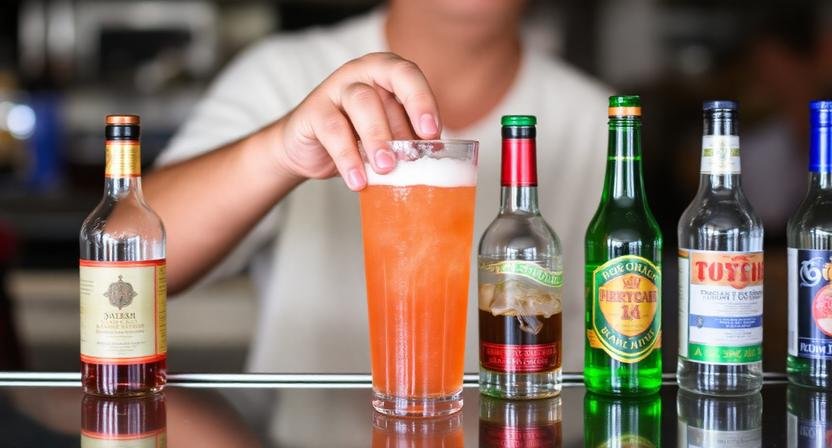
Thailand, one of the world’s most iconic tourist destinations, has announced a major policy shift aimed at boosting the economy and increasing the country’s competitiveness as it recovers from political instability and global economic challenges. Starting in December 2025, the government will temporarily lift the decades-old rule prohibiting alcohol sales between 2 PM and 5 PM. The regulation, introduced in 1972 to curb alcohol consumption among government officials during office hours, has long been a point of frustration for tourists and locals. Its suspension during the busy holiday season is expected to deliver an immediate boost to tourism.
Why lifting the afternoon alcohol ban matters now
Thailand’s reputation as a vibrant, festive, and endlessly entertaining destination has always relied on its nightlife, beach bars, cultural festivals and warm hospitality. Political turbulence in recent years, the impact of COVID-19, and global economic factors reduced visitor numbers and challenged the resilience of the sector. Removing an inconvenient daytime restriction offers a clear signal to international travelers: Thailand is ready to welcome them back with a more flexible and enjoyable experience.
The temporary lift will remain in place for six months, covering the Christmas and New Year holidays and extending into the first half of the high tourist season. Alcohol will be available between 2 PM and 5 PM in all licensed establishments, including bars, restaurants, liquor stores and tourist venues.
Strengthening Thailand’s position in a competitive tourism landscape
Tourism represents one of the most critical pillars of Thailand’s economy. The country is competing with destinations such as Vietnam, Indonesia and Japan, where policy incentives and streamlined travel experiences are increasingly shaping visitor decisions. The new measure aligns with global expectations and enhances Thailand’s appeal among Western tourists who are accustomed to accessible alcohol sales throughout the day.
Cities like Bangkok, Phuket, Pattaya and Koh Samui — known internationally for nightlife and entertainment — are poised to see substantial benefits. A more seamless experience for visitors translates into stronger economic activity in the hospitality, food, retail and events sectors.
Economic impact and opportunities for local businesses
The removal of the daytime ban is expected to generate a noticeable rise in revenue for bars, restaurants and retail stores, particularly in high-traffic tourist zones. Afternoon leisure activities often include beach clubs, pool parties and sightseeing with refreshments, creating new opportunities for businesses to expand their daytime offerings.
Growth is also anticipated in related sectors such as hotels, transportation services and entertainment venues. A more engaging daytime environment can encourage longer stays and higher per-visitor spending, enhancing the overall economic contribution of tourism.
Potential challenges and the need for responsible regulation
Authorities acknowledge that relaxing alcohol restrictions also brings risks. Thailand has historically high alcohol consumption rates, and increases in availability may lead to concerns about public safety, especially in areas with heavy nightlife. Strict enforcement remains in place regarding underage sales, drunk driving laws and licensing requirements.
Monitoring illegal alcohol sales will also be essential, as temporary regulatory changes can provide opportunities for unauthorized vendors to take advantage of increased demand.
Visitors can expect a more flexible and festive travel experience
For travelers arriving during the six-month trial period, Thailand offers an extensive range of cultural, natural and entertainment attractions. From the mountains of Chiang Mai to the beaches of Phuket and the historic temples of Ayutthaya, visitors will enjoy a more relaxed environment where daytime celebrations and leisure activities are easier to plan.
The policy shift forms part of a broader national strategy to modernize Thailand’s tourism sector, attract high-value visitors and strengthen the country's resilience in a rapidly evolving global tourism ecosystem.
International Investment experts emphasize that Thailand’s temporary lifting of the afternoon alcohol ban is an economic signal rather than a symbolic gesture. It illustrates the government’s intent to rebuild the tourism sector quickly and to address structural issues limiting international arrivals. Analysts note that if the six-month trial delivers a measurable boost in spending and visitor satisfaction, Thailand may consider a more permanent restructuring of its alcohol regulations. This would reinforce the country’s competitive advantage, support long-term sector stability and enhance the nation’s global tourism brand during a period of intense regional competition.