







read also
 China Nears a Decision on Fresh Stimulus
 Fines for Illegal Rentals in Spain Reach €800,000
 Australia’s Spring Auctions Rise but Remain Well Below 2025
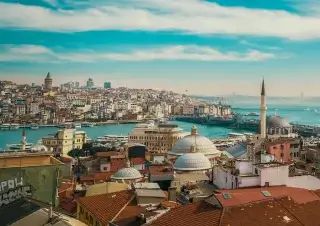 Number of Foreigners Holding Turkish Residence Permits Exceeds 1.27 Million
 Demand from Russian Tourists for Holidays in Georgia Rises by 20–25%
 Montenegro Property Buying Costs in 2026
Arctic Cold Disrupts US Travel. Extreme winter weather hits year-end travel

In late December 2025, a severe Arctic cold blast swept across large parts of the United States, affecting Minneapolis, Chicago, Detroit, Fargo, New York City, Buffalo, Portland and many other cities. The cold wave followed a rapidly intensifying bomb cyclone, bringing blizzard conditions, icy roads and dangerously low wind chills during one of the busiest travel periods of the year.
The sudden deterioration in weather has significantly curtailed domestic travel and tourism activity, forcing many Americans to rethink holiday plans.
Bomb cyclone drives Arctic air south
As the storm system intensified, Arctic air plunged into the Midwest, Great Lakes and Northeast regions. Temperatures dropped well below seasonal norms, while powerful winds amplified the cold and reduced visibility across large areas.
Snow squalls, freezing rain and lake-effect snow created hazardous conditions, turning roads icy within hours and increasing the risk of accidents.
Airports and highways under strain
Major transport hubs, including airports in Chicago, New York City, Boston and Detroit, experienced widespread flight delays and cancellations. Poor visibility, high winds and snow accumulation severely disrupted ground operations and aircraft movements.
On the roads, key highways in Minnesota, Wisconsin and Michigan were affected by closures and traffic standstills, leaving some motorists stranded for extended periods.
Power outages and urban pressure
The storm also caused damage to power infrastructure, with strong winds and heavy snow leading to outages in several states. These disruptions added further strain to cities already dealing with transport chaos and extreme cold.
Hotels, transit facilities and emergency services faced additional operational challenges as temperatures continued to fall.
Impact on the tourism economy
The Arctic cold blast has had a direct impact on the US tourism sector. Travel cancellations, reduced mobility and disrupted events have weighed on destinations that typically rely on strong year-end demand, including New York City and Chicago.
For the tourism industry, the timing of the storm has amplified economic losses during a period that normally generates substantial seasonal revenue.
What lies ahead
Weather forecasters warn that cold conditions and lingering effects of the storm could persist into early January. Continued lake-effect snow and renewed cold snaps are expected across parts of the Great Lakes and Northeast.
Travellers are advised to monitor forecasts closely and remain prepared for further disruptions.
Expert conclusion
As reported by International Investment experts, the late-2025 Arctic cold blast underscores how extreme weather is becoming a structural risk for US travel and tourism. The disruption highlights the growing need for resilience planning in transport and hospitality as climate volatility increasingly affects peak travel periods.