







 Australia’s Spring Auctions Rise but Remain Well Below 2025
 Number of Foreigners Holding Turkish Residence Permits Exceeds 1.27 Million
 Demand from Russian Tourists for Holidays in Georgia Rises by 20–25%
 Montenegro Property Buying Costs in 2026
 Four in Ten Companies Would Not Choose Slovakia
 Gulf Countries Prepare Unified Tourist Visa
Indonesia Braces for Travel Surge in the Christmas holidays
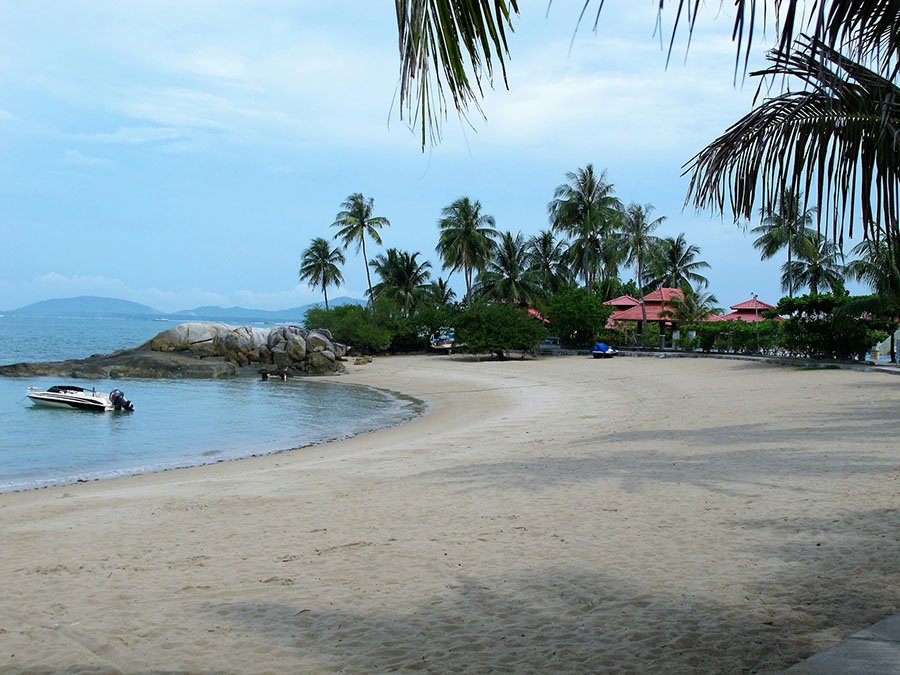
Indonesia is preparing for one of its largest domestic travel waves of the year as authorities forecast a massive surge in holiday mobility during the Christmas and New Year season of 2025–2026. The peak is expected on December 24, when more than 17 million trips are projected across the country in a single day.
Record-breaking holiday mobility
According to projections presented by Transport Minister Dudy Purwagandhi, approximately 17.18 million journeys are expected at the height of the outbound travel period. An even larger return flow is forecast for January 2, 2026, when up to 20.81 million travelers are expected to head back to major cities. The scale of movement reflects the convergence of public holidays, school vacations and the long-standing mudik tradition of returning home.
Domestic tourism remains resilient
The anticipated surge highlights the strength of Indonesia’s domestic tourism market despite inflationary pressures and global uncertainty. Popular destinations such as Bali, Yogyakarta and Lombok are expected to absorb the largest share of travelers, reinforcing their role as key engines of regional tourism and service-sector growth.
Heavy reliance on private vehicles
Authorities expect a significant proportion of travelers to rely on private cars, placing intense pressure on road infrastructure. Nearly half of all trips during the peak period are projected to be made by personal vehicles, with around three million cars expected to leave the Greater Jakarta area via toll roads alone. This trend underscores both improved access to transport infrastructure and the growing challenge of traffic management.
Centralized command amid weather risks
To manage the unprecedented movement of people, the Ministry of Transport has activated an integrated command center operating from December 18, 2025, through January 5, 2026. The center will coordinate real-time monitoring across land, air, sea and rail transport. Seasonal weather risks add another layer of complexity, prompting close coordination with Indonesia’s meteorological agency to prepare for flooding and landslides during the rainy season.
Infrastructure and safety readiness
Transport authorities have reinforced operational readiness across highways, airports, ports and rail networks. Measures include flexible traffic management, extended airport operating hours, additional maritime capacity and enhanced safety inspections. Thousands of vehicles, aircraft, vessels and rail assets have undergone checks to ensure compliance during the peak travel window.
Price stability and travel incentives
To ease the financial burden of peak-season travel, the government is rolling out fare discounts and incentives across public transport services. These initiatives aim to curb holiday price spikes, particularly for economy-class airfares, while encouraging more balanced distribution of passenger flows throughout the transport network.
As International Investment experts report, Indonesia’s year-end travel surge underscores the resilience of domestic demand and the strategic importance of internal tourism. If managed effectively, the peak season could deliver broad economic benefits while serving as a critical stress test for the country’s transport infrastructure and policy coordination.