







 Vietnam Mortgage Surge Pushes Homes Out of Reach
 Lithuanian Apartment Prices Accelerate Across Major Cities
 London Flats Lose Value Ahead of Leasehold Reform
 Construction of the Batumi–Sarpi Highway Begins in Georgia
 Baltic Property Investment Accelerates in 2026
 Hong Kong and Singapore Renew Their Expat Rivalry
Canary Islands Under Tourism Pressure
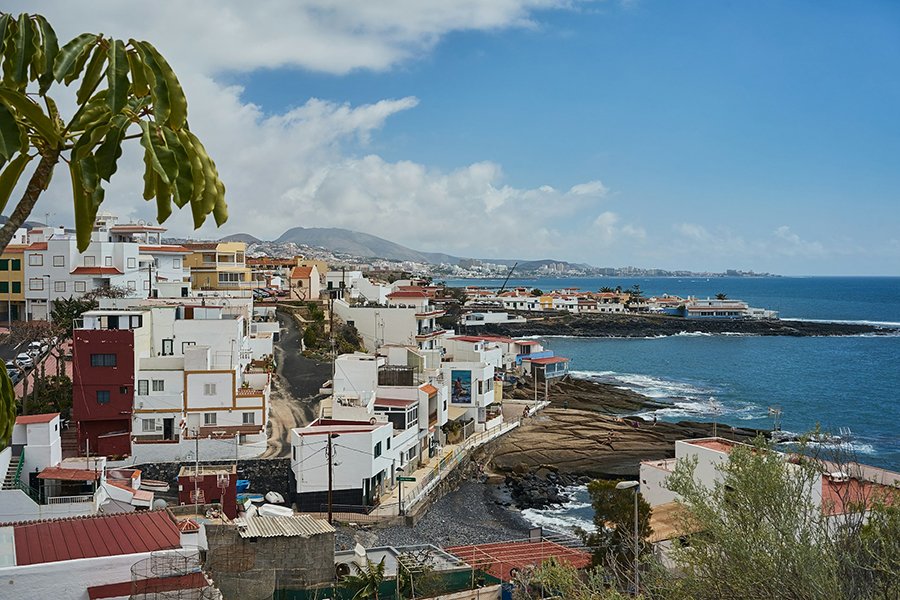
For decades, the Canary Islands have stood as one of Europe’s most resilient and accessible tourist destinations, particularly for British travellers. Tenerife, Lanzarote, and Gran Canaria offered year-round sunshine, reliable infrastructure, and relative affordability. Entering 2026, however, that long-standing narrative has shifted dramatically.
In January 2026, the influential travel guide Fodor’s placed the Canary Islands on its annual “No List,” signalling not a safety threat but a deeper sustainability crisis. The warning reflects mounting environmental strain, social tensions, and infrastructure overload driven by years of unchecked tourism growth.
Why Fodor’s warning matters
Fodor’s “No List” is designed as a cautionary signal for destinations where visitor volumes exceed local carrying capacity. During the first half of 2025 alone, the Canary Islands received 7.8 million tourists, pushing transport networks, housing markets, and natural resources to their limits. Analysts increasingly describe the situation as a textbook case of overtourism overwhelming regional resilience.
Rising social tensions across the islands
Throughout 2025, the Canary Islands witnessed unprecedented mass protests, with residents voicing frustration over declining living conditions. The slogan “Canarias tiene un límite” became a rallying cry against a tourism model that many locals now see as extractive rather than beneficial. Public anger has been fuelled by congestion, housing shortages, and the erosion of everyday livability in urban and coastal areas.
Housing shortages and mobility breakdown
Tourism-driven demand has severely distorted the housing market. Short-term rentals have expanded rapidly, reducing availability for residents and driving up prices. At the same time, the influx of rental vehicles and tour buses has caused chronic traffic congestion, turning routine commutes into prolonged delays, particularly on Tenerife and Lanzarote.
Environmental strain and water emergency
Environmental pressure has reached a critical point. Fragile volcanic ecosystems are experiencing long-term damage from foot traffic and unregulated access. In 2026, Tenerife officially declared a water emergency, highlighting the growing conflict between tourism consumption and basic resource availability. As climate stress intensifies, water scarcity has become one of the most pressing challenges facing the islands.
New regulations and higher travel costs
Authorities have begun implementing corrective measures aimed at slowing visitor pressure. Environmental access fees have been introduced for sensitive natural areas, airport charges have increased, and stricter enforcement of short-term rental regulations is underway. These policies are expected to raise travel costs and reshape visitor behaviour throughout 2026.
Rethinking tourism sustainability
The Canary Islands’ inclusion on the “No List” is not a call for boycott, but rather an appeal for more intentional and responsible travel. Policymakers face the challenge of restoring balance between economic dependence on tourism and the long-term viability of local communities and ecosystems.
As reported by International Investment experts, the Canary Islands’ situation in 2026 highlights the structural risks of overtourism in mature destinations. Without effective regulation, infrastructure investment, and environmental safeguards, the region’s tourism-driven growth model may undermine its long-term economic and investment sustainability.