









Russians in Israel Join Forces to Leave: War in the Middle East
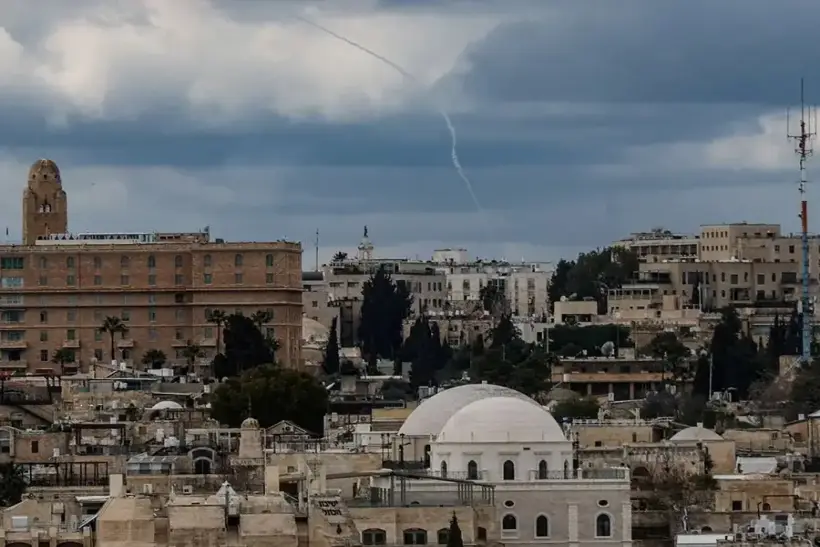
Closed airspace and missile strikes force people to seek land routes
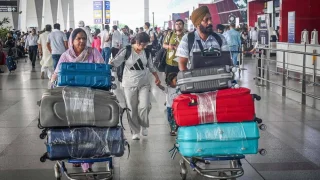
Russians in Israel are looking for ways to leave the country amid the escalation of the conflict with Iran. Air traffic has been suspended, and land crossings remain the only available alternative for those unwilling to wait for flights to resume.
How to Leave Israel
According to the Telegram channel Baza, Russians are coordinating in chats, arranging joint trips, sharing taxis, and looking for available seats in cars to reach the border more quickly. People are trying to minimize risks and reduce travel time by coordinating routes and exchanging information in real time.
The Israel Civil Aviation Authority said two land crossings are available for departure. The Begin crossing in Eilat operates around the clock and allows travelers to enter Egypt. The Rabin crossing on the Jordanian border accepts bus passengers until 8:00 p.m. and private vehicles until 7:00 p.m. Authorities say the checkpoint can switch to 24-hour operation if necessary.
Many fear the situation could change and borders might close temporarily. As a result, activity in online chats has intensified: people are searching for travel companions, coordinating departures by city, and trying to leave while the land corridor remains open.
What Is Happening in the Region
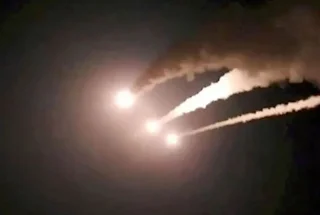
On February 28, 2026, the conflict between Israel and Iran escalated into large-scale mutual strikes involving the United States. After attacks on key military and infrastructure facilities, Washington confirmed the start of a joint operation. Explosions were reported in Tehran, Bushehr, Tabriz, Isfahan, and other cities, along with disruptions to communications.
Retaliatory actions extended to other countries in the region. Missile strikes and interceptions were reported in Qatar, Kuwait, Bahrain, Jordan, and the UAE. One fatality was confirmed in Abu Dhabi. In Dubai, between five and fifteen explosions were reported. One missile was intercepted above Palm Jumeirah, directly over the five-star Atlantis The Royal hotel. Later, reports emerged of a fire near Fairmont The Palm after debris pierced part of the building’s terrace roof.
Military activity has led to major disruptions in aviation. Parts of the region’s airspace have been closed, flights have been canceled or rerouted, and transit through major Gulf hubs has been significantly affected.
Russians in the Combat Zone
More than 50,000 Russian citizens are currently in Middle Eastern countries affected by the conflict. Around 50,000 are in the UAE, and about 2,000 each are in Qatar and Bahrain. There are currently no organized tourist groups in Iran. The Russian Embassy has advised citizens to avoid military and government facilities, refrain from photo and video recording, and, if possible, leave the country via Azerbaijan or Armenia while exercising heightened caution.
Diplomatic missions also recommend limiting movement, monitoring official updates, and staying in contact with tour operators and local representatives. Transit passengers are advised to account for possible delays and schedule changes.
Analysts at International Investment note that the situation remains unstable and additional restrictions may be introduced at short notice. For those in the region, timely access to official information and readiness to adjust travel plans quickly remain critical.