












Varanasi Sets Tourism Record
Unprecedented visitor growth in 2025
In 2025, Varanasi, one of India’s oldest cities and the spiritual heart of Hinduism, recorded an unprecedented surge in tourism. According to the Uttar Pradesh government, the city welcomed 7.26 crore visitors, the highest figure ever registered. This milestone firmly positioned Varanasi as a global leader in spiritual and cultural tourism. The surge reflects a broader global shift toward travel focused on spiritual meaning, heritage exploration, and authentic cultural experiences.
Infrastructure transformation behind the surge
Large-scale infrastructure investments played a decisive role in reshaping Varanasi’s tourism landscape. The Kashi Vishwanath Corridor stands out as a landmark project that significantly improved access to one of Hinduism’s most sacred temples. By streamlining pilgrim movement and enhancing safety and comfort, the corridor modernised the visitor experience while preserving the temple’s religious integrity.
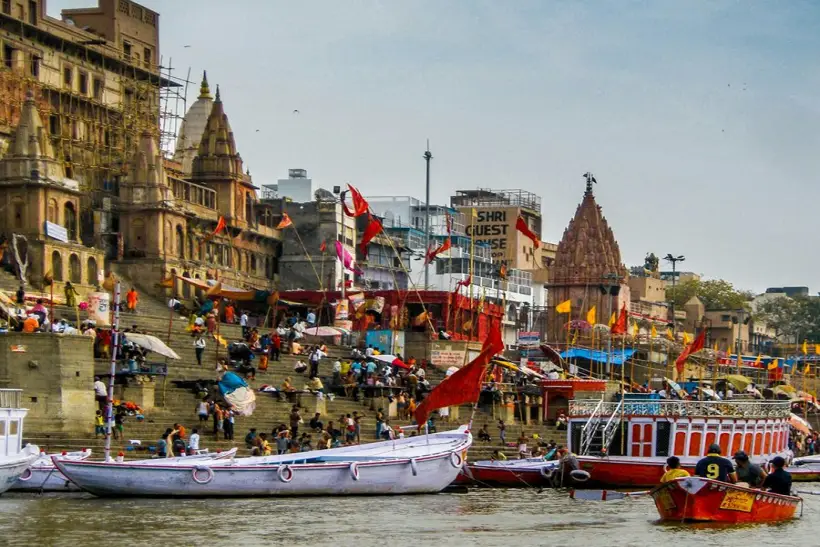
At the same time, the Ganga ghats underwent extensive redevelopment. Improved sanitation, lighting, aesthetics, and crowd management transformed these riverfront spaces into safer and more accessible cultural landmarks, particularly during major religious events. The ghats continue to serve as the spiritual and social core of the city.
A more accessible and visitor-friendly city
Beyond religious sites, Varanasi invested heavily in urban infrastructure. Upgraded roads, improved transport connectivity, better lighting, and enhanced tourist facilities significantly raised overall visitor comfort. These improvements changed travel behaviour, encouraging longer stays and repeat visits. Varanasi is increasingly viewed not only as a pilgrimage destination but as a comprehensive cultural tourism hub where history, spirituality, and modern urban life intersect.
Timeless spirituality as the main attraction
Despite modernisation, Varanasi’s enduring spiritual identity remains its strongest appeal. The daily Ganga Aarti ceremony on the banks of the sacred river continues to draw thousands of devotees and visitors, offering an experience deeply rooted in centuries-old tradition. Boat rides on the Ganges, ancient temples such as Kashi Vishwanath and Durga Temple, and living religious rituals provide an authenticity that few destinations can replicate. This balance between openness and spiritual continuity defines Varanasi’s global uniqueness.
Economic impact and global relevance
The tourism boom delivered a substantial economic boost to the city. Hotels, restaurants, tour operators, and local artisans reported significant revenue growth, strengthening employment and local incomes. Varanasi’s rising prominence has led to its inclusion in international travel itineraries, reinforcing India’s position on the global tourism map. The city increasingly serves as a reference point for destinations seeking to align cultural preservation with economic development.
Long-term outlook and sustainable growth
Looking ahead, Varanasi is well positioned to sustain its growth as a global tourism hub. The key challenge will be managing visitor volumes while protecting the city’s cultural and spiritual fabric. Recent experience suggests that strategic planning and continued investment can support long-term sustainability. Varanasi is emerging as a model for heritage cities worldwide navigating the demands of modern tourism.
As International Investment experts report, Varanasi’s tourism surge confirms the growing global importance of spiritual tourism and demonstrates how heritage cities can achieve economic growth while preserving cultural authenticity through carefully planned infrastructure development.