







 China Nears a Decision on Fresh Stimulus
 Fines for Illegal Rentals in Spain Reach €800,000
 Australia’s Spring Auctions Rise but Remain Well Below 2025
 Number of Foreigners Holding Turkish Residence Permits Exceeds 1.27 Million
 Demand from Russian Tourists for Holidays in Georgia Rises by 20–25%
 Montenegro Property Buying Costs in 2026
More Than 11,000 Flights Canceled in the U.S. Over Three Days
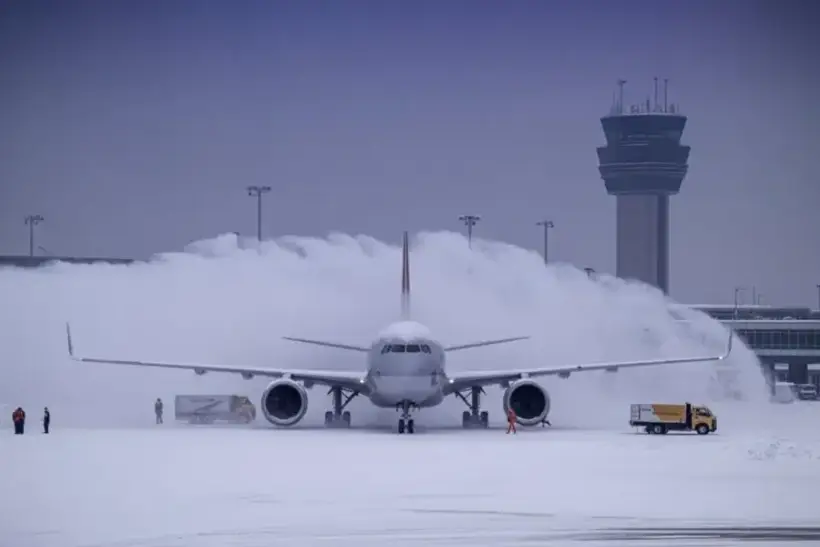
A Powerful Winter Storm Hits the Northeast
More than 11,000 flights were canceled across the United States over three days due to a powerful winter storm that swept across the Northeast and disrupted operations at key transportation hubs, Travel And Tour World reports. The most severe disruptions were recorded at airports in New York and Boston, where flight schedules were nearly paralyzed. Hurricane-force winds, heavy snowfall, and widespread power outages led to the declaration of a state of emergency in several states.
Scale of the Winter Storm
The storm affected several Northeastern states, including New York, Massachusetts, Rhode Island, and Connecticut. In some areas, snowfall exceeded 30 inches, while strong wind gusts sharply reduced visibility and made travel hazardous. Schools were closed in major cities, highway traffic was restricted, and some government offices suspended operations.
The state of emergency enabled authorities to mobilize additional resources for road clearing and power restoration. More than half a million homes and commercial properties were left without electricity. Utility companies operated in emergency mode, but severe weather conditions slowed recovery efforts.
Road restrictions and deteriorating weather conditions increased pressure on the region’s transportation system and became one of the key factors behind widespread aviation disruptions.
Aviation Crisis: Disruptions at Major Airports
The aviation system in the Northeast took the heaviest hit. A significant share of the canceled flights was scheduled through the country’s largest hubs. Airports in New York — John F. Kennedy, LaGuardia, and Newark — as well as Boston Logan, recorded peak levels of cancellations and delays.
A disruption at one major hub quickly spread across the entire route network. Aircraft and crews were displaced from their base airports, complicating schedule recovery even after weather conditions improved. Airlines introduced flexible ticket change policies and expanded rebooking options in an effort to reduce passenger inconvenience and limit operational losses.
Experts note that extreme weather events expose the vulnerability of the hub-based aviation model. Concentrating traffic in a limited number of major hubs increases the risk of large-scale systemic disruptions.
Impact on the Economy and Tourism
Air travel disruptions and infrastructure breakdowns affected both domestic and international tourism. Thousands of passengers postponed trips, adjusted routes, or canceled business travel. Tour operators and booking platforms reported a surge in refund and rescheduling requests.
The effects extended to the hospitality sector, ground transportation, and service industries. Hotels near airports were overcrowded due to stranded passengers, while other regions experienced lower occupancy rates. Business activity in major Northeastern cities temporarily declined because of mobility restrictions and office closures.
Analysts point out that weather-related risks are increasingly influencing the financial performance of the aviation and tourism sectors. Companies are reassessing insurance policies, scheduling strategies, and aircraft allocation models.
Meteorological Warnings and Emergency Measures
Meteorologists had warned in advance about the formation of a powerful winter storm capable of bringing up to 28 inches of snow and wind speeds of up to 80 km/h. The National Weather Service issued blizzard warnings from Maryland to Maine, highlighting the risk of reduced visibility and coastal flooding. Forecasters also indicated the potential development of a “bomb cyclone,” defined by a rapid drop in atmospheric pressure of at least 24 millibars within 24 hours.
A state of emergency was declared in New York. From 9:00 p.m. Sunday until noon Monday, streets, bridges, and highways were closed to most vehicles. Only emergency services and critical infrastructure workers were allowed to travel. City schools declared a snow day.
Transportation operators implemented preventive measures. Long Island Rail Road temporarily suspended service, Metro-North Railroad operated on a weekend schedule, and several subway lines ran with limitations. In New Jersey, road restrictions were introduced and public transportation services were suspended.
Delivery services temporarily halted operations to ensure employee safety. Residents were advised to avoid non-essential travel and remain indoors during the peak of the storm.
Infrastructure Risks and Long-Term Implications
Analysts at International Investment state that the events in the Northeastern United States once again highlighted the vulnerability of transportation and energy infrastructure to extreme weather scenarios. Concentration of aviation traffic in a small number of major hubs amplifies the domino effect: disruption in one region quickly spreads across national and international route networks.
Widespread power outages and mobility restrictions required coordinated efforts between federal and regional authorities. Additional resources were deployed to clear roads and restore power lines.
Experts emphasize the need to modernize infrastructure and adapt logistics models to increasing climate volatility. Investments in airport resilience, digital schedule management, and backup energy capacity are becoming critical priorities for reducing future risks.