







 Fines for Illegal Rentals in Spain Reach €800,000
 Australia’s Spring Auctions Rise but Remain Well Below 2025
 Number of Foreigners Holding Turkish Residence Permits Exceeds 1.27 Million
 Demand from Russian Tourists for Holidays in Georgia Rises by 20–25%
 Montenegro Property Buying Costs in 2026
 Four in Ten Companies Would Not Choose Slovakia
Russians Advised Not to Travel to Germany
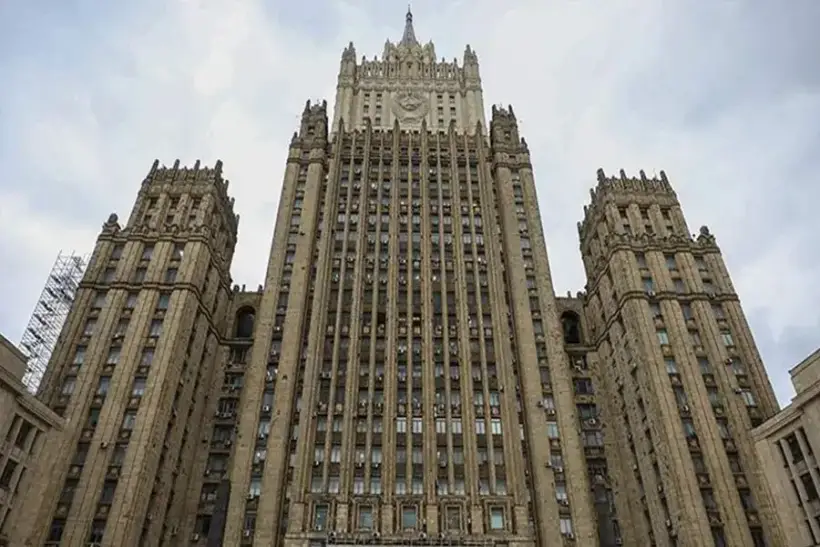
The official representative of the Russian Foreign Ministry, Maria Zakharova, stated that the “discriminatory stance” of German authorities toward Russians persists. This attitude is confirmed by incidents at the border and restrictions on banking services, according to Vedomosti. As a result, visits to Germany are not recommended.
Discrimination Against Russians at German Airports
Zakharova emphasized that German authorities perceive any Russian citizen “as a suspicious person,” creating an “atmosphere of distrust and hostility.” For example, at Stuttgart Airport, a Russian woman was subjected to a humiliating inspection on suspicion of violating sanctions rules. Her clothing, personal belongings, and cash were confiscated, causing her to miss her flight. Customs officers behaved rudely and suggested she go to court if she believed her rights had been violated.
In Munich, the head coach of the Russian football club Zenit, Sergey Semak, and his wife Anna attempted to claim a tax refund, but customs officials confiscated purchases worth over €300 per item. Zakharova described the incident as an act of discrimination based on nationality.
The Foreign Ministry had previously recommended avoiding travel to Germany; the previous warning was issued on December 25, 2025, citing numerous cases of rights violations against Russians at the border.
EU Sanctions: What Cannot Be Taken
Experts note that the actions of German customs are linked to strict enforcement of EU sanctions. Germany applies these restrictions more rigorously than many other European countries.
Items prohibited from export from the EU to Russia include:
-
Luxury goods and items worth more than €300;
-
Electronics costing over €750;
-
Cash (export of euros from the EU to Russia is prohibited);
-
Vehicles — entry with cars bearing Russian license plates may be treated as illegal import.
There are also restrictions on banking services in Germany. Document checks of Russian-speaking residents and tourists from Russia are frequent.
Berlin’s Response and the EU Position
The German Foreign Ministry has previously denied accusations of targeted discrimination against Russians, emphasizing that authorities’ actions are aimed at enforcing the law, not infringing on rights based on nationality. However, Moscow insists that law enforcement practices in Germany have taken on the character of “harassment.”
The repeated warning comes amid a Europe-wide debate on visa policies for Russian citizens. Some EU countries, including Germany and the Baltic states, have previously proposed restricting entry into the Schengen zone for certain categories of Russians.
On the Russian Foreign Ministry website, similar warnings are posted for around twenty countries. Most of these materials highlight various risks but do not discourage travel. Common concerns include potential unrest and the inability to use Russian bank cards. Previously, travel to the United States and its allied satellite states was also not recommended without specific reason.
Analysts at International Investment note that the current geopolitical situation continues to directly affect freedom of movement and border-crossing rules. Any private trips by Russians to Europe carry high risks of property loss and legal obstacles. This is further complicated by logistical difficulties due to closed airspace.