











Russia and Saudi Arabia to Introduce Visa-Free Travel from May 11, 2026
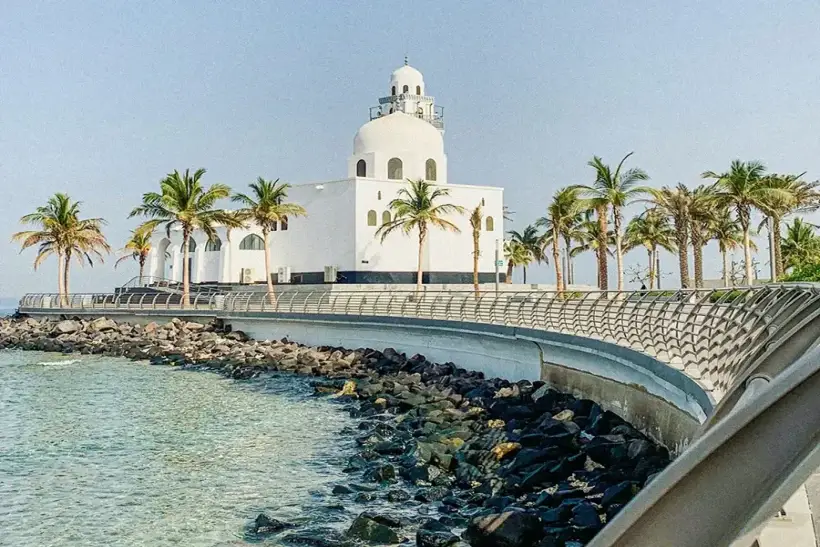
Russia and Saudi Arabia have agreed to mutually cancel visa requirements for citizens of both countries. The agreement will take effect on May 11, 2026, allowing Russian citizens to stay in the kingdom for up to 90 days per calendar year without a visa, Interfax reports.
Details of the Russia–Saudi Arabia Agreement
The Ministry of Foreign Affairs clarified that the visa-free regime applies to tourist and business visits, but does not cover employment, study, or long-term residence. Visas remain mandatory for trips related to pilgrimage, including Hajj and Umrah.
Saudi citizens will be able to visit Russia under the same conditions, staying up to 90 days without a visa. The agreement was signed on December 1, 2025, in Riyadh and comes into force five months after signing.
Visa Exemption between Russia and China
Since September 15, 2025, visas between Russia and China have been canceled for 12 months. Following this, demand for tours to China nearly doubled compared to the previous year. Among Russian travelers, the most popular destinations are Beijing, Shanghai, Guangzhou, Hong Kong, and Hainan Island.
Chinese tourists in Russia mainly visit Moscow and Saint Petersburg, exploring historical and cultural landmarks such as the Kremlin, Red Square, Hermitage, Nevsky Prospect, and Peterhof. Other popular routes include the Golden Ring, Irkutsk with Lake Baikal, and Murmansk for the Northern Lights. The flow of Chinese tourists to Russia remains relatively small—just over 800,000—and decreased by 1.6% in 2025 due to high airfare and limited service availability. The Ministry of Economy of Russia plans to increase this number to 5.5 million by 2030.
Agreements with Other Countries
Russian Minister of Economic Development Maxim Reshetnikov reported that work is also underway to cancel visa requirements with Malaysia, Bahrain, and Kuwait. Agreements are planned with India and Vietnam for group travel. Visa-free travel with Jordan has been in effect since December 13.
Russian authorities emphasize that the list of countries will expand, offering new travel options as alternatives to Europe, where sanctions are in place.
Tourism Trends in Russia
Reshetnikov highlighted positive trends in tourism. Over the past two years, the number of foreign tourists in Russia increased 1.5 times, reaching 5.6 million. In January 2026 alone, the number of foreign visitors grew by 37%, with plans to reach 10 million.
Russians are also traveling abroad more frequently. The FSB Border Service recorded 31.5 million foreign visits for various purposes, including 13.4 million for tourism, a 15.6% increase compared to 2024. The most popular destinations remain Turkey and Egypt. Travel to Thailand declined, and the UAE became less attractive for holidays due to the war in the Middle East. In Georgia, tourist numbers continue to rise, with Russians leading both in visits and revenue—over 1.5 million tourists (+11.1%) generating $694 million in 2025. In 2026, the country continues to show record figures in tourism.
Conclusion
Analysts at International Investment note that Russia is actively seeking new tourism destinations, though some are unlikely to be attractive. In particular, Saudi Arabia is affected by the conflict in the Middle East, with the country periodically facing drone attacks from Iran. Airspace over many Gulf states is closed, making travel to the region risky until the conflict ends.
Overall, the geopolitical situation has shifted tourist flows from Russia to more accessible countries. The greatest advantage is enjoyed by visa-free states with convenient logistics, simple entry and accommodation conditions, good infrastructure, and a wealth of historical and natural attractions.