







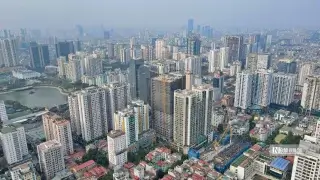
 Vietnam Mortgage Surge Pushes Homes Out of Reach
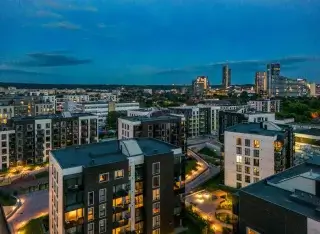 Lithuanian Apartment Prices Accelerate Across Major Cities
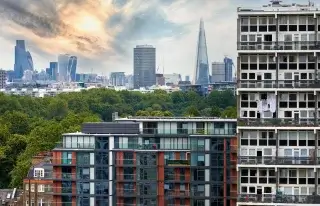 London Flats Lose Value Ahead of Leasehold Reform
 Construction of the Batumi–Sarpi Highway Begins in Georgia
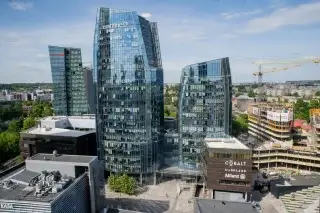 Baltic Property Investment Accelerates in 2026
 Hong Kong and Singapore Renew Their Expat Rivalry
Flights at Vnukovo disrupted: around 50 delayed or cancelled
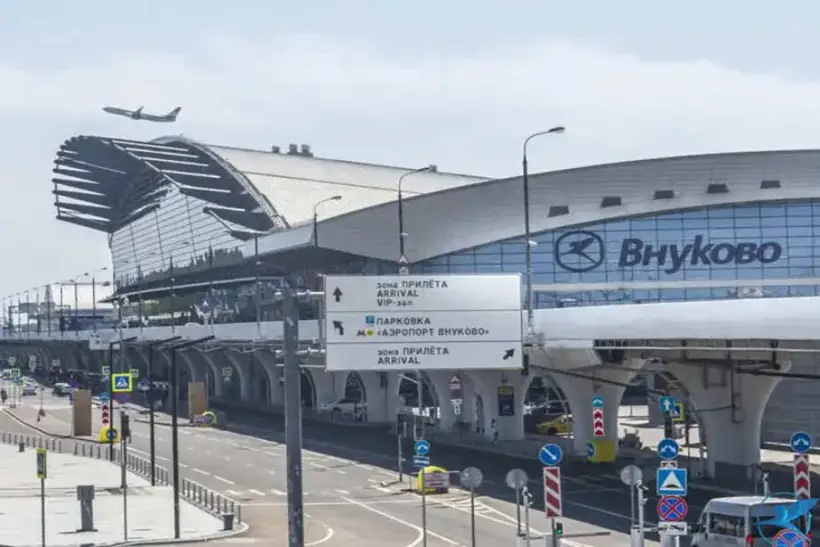
Drone attacks disrupted operations at Moscow’s Vnukovo Airport on May 4. As a result of the restrictions, around 50 flights were delayed or cancelled, Vedomosti reports. Such measures are taken for safety reasons and have become increasingly frequent. Similar disruptions have already been recorded at all airports in Moscow as well as in other cities.
Drone attacks in Russia
On the night of May 3, air defense systems destroyed 334 drones over Russian regions, including the Moscow region and Leningrad region, according to the Russian Ministry of Defense. Between 8:00 and 12:00, another 52 drones were shot down over the Belgorod, Bryansk, Kaluga, Kursk, Oryol, Smolensk, Tula, and Moscow regions.
During the day, 75 drones were intercepted over the same regions. In the evening, between 16:00 and 20:00, another 33 drones were destroyed, including over the Moscow region, as well as the Belgorod, Bryansk, Kaluga, Kursk, Novgorod, and Smolensk regions. Thus, drone attacks occurred in successive waves throughout the day and affected a wide range of regions.
On the morning of May 4, Moscow Mayor Sergey Sobyanin said one drone hit a building in the area of Mosfilmovskaya Street in Moscow. No injuries were reported. The new attacks led to restrictions at airports, including Vnukovo.
Special flight regime in Moscow
Vnukovo’s schedule became heavily congested. According to online departure boards, around 50 arrivals and departures were delayed or cancelled. Some flights operated with significant time shifts, while others were rescheduled to later slots.
The airport said it is taking measures to restore normal operations. Passengers were advised to check flight status via airport boards and airline services, as schedule changes continue to be updated in real time.
Flights are currently operating under a special regime coordinated with aviation authorities. A similar arrangement is in place at Domodedovo Airport. Although airspace has reopened for regular flights, schedules remain unstable, and airlines and airports are gradually working to clear accumulated delays.
Scale of risk to aviation in Russia
Such incidents have become routine in Moscow and other parts of Russia. In February, air defense units destroyed 5,989 drones. In March, 11,211 were intercepted, and in April — 9,372. Most targets were recorded over European Russia. The most intensive day in spring was April 6, when 693 drones were shot down. Another peak occurred on April 30, with 571 drones intercepted.
Analysts at International Investment note that regular drone attacks across different regions of Russia force the aviation system to operate in a state of constant adjustment. Flight interruptions cause cascading delays affecting many airports in Moscow and other cities. Flight schedules remain unstable, negatively impacting tourism, business, and travel.