











Middle East Airspace Faces Flight Disruptions
Regional Airspace Closures Amid Rising Tensions
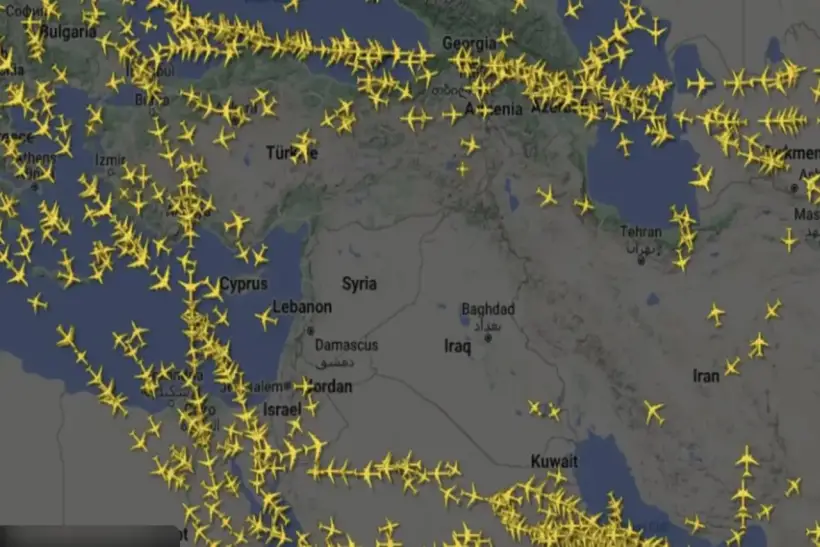
Escalating security tensions in the Middle East have prompted several countries to introduce temporary airspace restrictions, leading to widespread flight cancellations and route adjustments. The European Union Aviation Safety Agency has advised airlines to avoid operating in Middle Eastern airspace until further notice.
Syrian authorities confirmed a partial closure of national airspace. The United Arab Emirates also temporarily suspended the use of its airspace as a precautionary safety measure for civil aviation.
Developments in the UAE and Abu Dhabi
International agencies reported several explosions in Abu Dhabi near the city’s main airport. While officials have not disclosed detailed information, the incident contributed to heightened aviation security measures across the region.
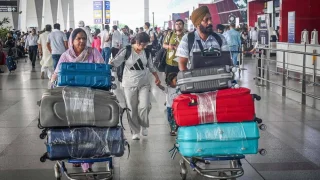
Dubai Airports operator urged passengers not to travel to airports until updated flight information becomes available. Airlines and airport authorities warned of possible delays and cancellations as the situation continues to evolve.
Emirates officially announced the suspension of all flights to and from Dubai due to the regional airspace closure. The decision affects thousands of passengers, including transit travelers connecting between Europe, Asia and Africa.
Russian Carriers Adjust Routes
Aeroflot confirmed that several flights between Moscow, St. Petersburg and Dubai have been canceled. In addition, the closure of Iranian airspace has forced airlines to revise international flight schedules.
Russia’s Federal Air Transport Agency recommended that Russian carriers operating flights to the Persian Gulf region use alternative routes until 02:59 Moscow time on March 2, comply strictly with safety measures and follow guidance from foreign aviation authorities.
The restriction of Iranian airspace is a significant factor, increasing flight times and operational costs for airlines forced to reroute.
Geopolitical Statements and Escalation Risks
Iran’s General Staff stated that any military base of a country assisting Israel could become a target for retaliatory action. Such statements have intensified regional tensions and directly influenced regulatory aviation decisions.
Given the strategic importance of Middle Eastern air corridors for global transit traffic, disruptions extend beyond the region. Dubai and Abu Dhabi serve as major international hubs linking Europe, Asia and Africa, and current restrictions may trigger a broader ripple effect across global aviation networks.
Impact on Passengers and the Aviation Market
Passengers are advised to monitor official airline and airport updates closely. Flight times may change, rerouting is likely, and ticket sales on certain routes may be temporarily suspended.
The aviation industry has previously experienced similar disruptions following airspace closures in Iran and Iraq. Airlines typically respond by adjusting logistics, reassessing insurance risks and increasing fuel reserves for longer alternative routes.
As International Investment experts report, the current developments may temporarily increase airline operating costs and add volatility to travel flows to the Persian Gulf, while long-term consequences will depend on the pace of de-escalation and coordinated actions by international aviation regulators.