







read also
 Vietnam Mortgage Surge Pushes Homes Out of Reach
 Lithuanian Apartment Prices Accelerate Across Major Cities
 London Flats Lose Value Ahead of Leasehold Reform
 Construction of the Batumi–Sarpi Highway Begins in Georgia
 Baltic Property Investment Accelerates in 2026
 Hong Kong and Singapore Renew Their Expat Rivalry
UAE Tops Global Travel Safety Rankings
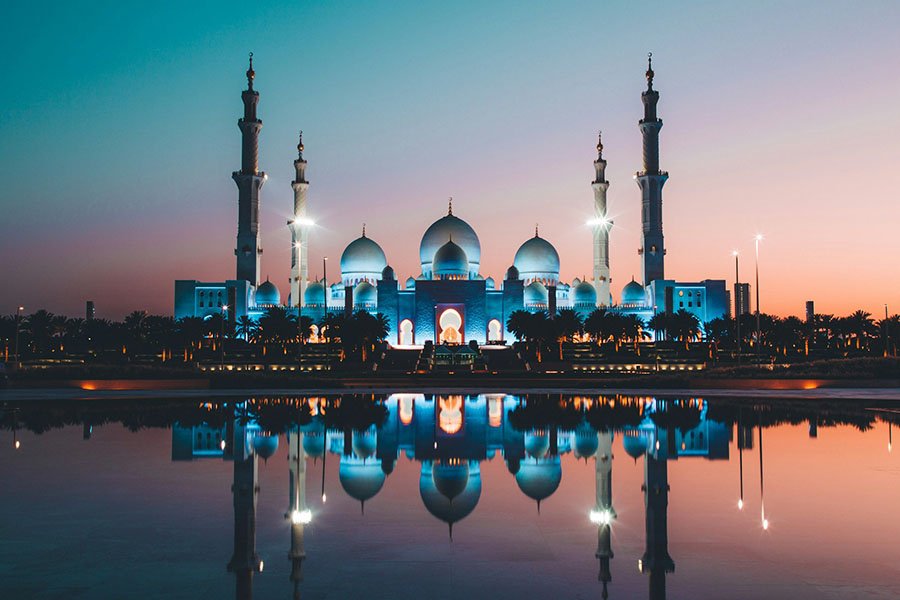
Photo: Unsplash
In 2025, global travel behavior is undergoing a profound transformation. While destinations were once chosen primarily for scenery or historical appeal, personal safety has become the defining factor for modern travelers. Recent international data shows that approximately 76 percent of solo travelers now rank physical security as their top priority when choosing where to go.
Against this backdrop, the United Arab Emirates has emerged as a global benchmark. The country has created an environment where independent travelers can move freely and confidently, supported by advanced infrastructure and carefully planned urban systems designed around safety and reliability.
Abu Dhabi and Dubai Lead the Rankings
A comprehensive study covering 36 major global cities has placed Abu Dhabi and Dubai in first and second place respectively for travel safety. This outcome reinforces the UAE’s position as the world’s most secure destination for solo and independent travel.
In an era marked by geopolitical uncertainty, safety has shifted from being a secondary consideration to a core travel requirement. The UAE’s performance reflects years of consistent investment rather than short-term measures.
Regional Strength Across the Middle East
The UAE’s success is part of a broader regional trend. Muscat, the capital of Oman, ranked fourth in the same analysis, highlighting the Gulf region’s growing reputation as a global center for public order and traveler confidence.
As the tourism industry looks ahead to 2026, the Middle East is increasingly associated with stability, predictability, and hospitality, qualities that resonate strongly with travelers seeking independent and experience-driven journeys.
Why Safety Now Drives Travel Choices
The rise of solo travel, particularly among women, has reshaped expectations. Travelers now prioritize well-lit public spaces, reliable transport systems, and responsive security services alongside traditional attractions.
These factors have become key competitive advantages for the UAE. Trust extends beyond city streets to airlines, airports, and tourism operators, reinforcing the country’s appeal as a seamless and worry-free destination.
Abu Dhabi as a Global Safety Benchmark
Abu Dhabi has retained its title as the world’s safest city for nine consecutive years. This consistency is the result of long-term investment in smart surveillance technologies, data-driven policing, and community engagement initiatives.
Visitors frequently describe the city as calm, orderly, and reassuring. Whether exploring the Corniche, visiting the Sheikh Zayed Grand Mosque, or navigating the Mangrove National Park, travelers experience a level of security that supports relaxed and confident exploration.
Global Impact on the Travel Industry
The rise of Abu Dhabi and Dubai is influencing tourism strategies worldwide. Competing cities are increasing spending on safety infrastructure and community policing to remain attractive to security-conscious travelers.
At the same time, demand is growing for travel products specifically designed for solo and female travelers, where safety is no longer an add-on but a central value proposition.
As experts at International Investment report, the UAE’s leadership in travel safety reflects a structural advantage rooted in governance, urban planning, and long-term investment. As global tourism evolves in 2026 and beyond, destinations that embed security into their development models are likely to dominate high-value travel flows.