







read also
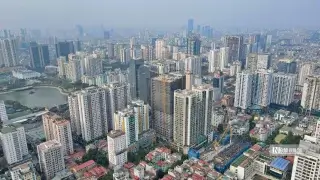 Vietnam Mortgage Surge Pushes Homes Out of Reach
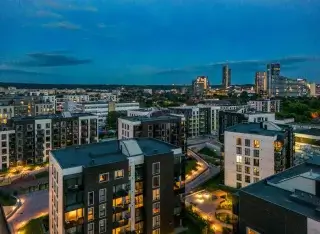 Lithuanian Apartment Prices Accelerate Across Major Cities
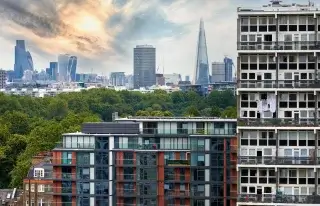 London Flats Lose Value Ahead of Leasehold Reform
 Construction of the Batumi–Sarpi Highway Begins in Georgia
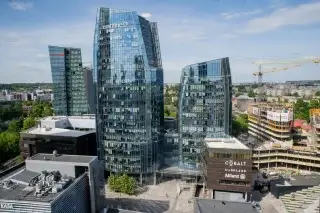 Baltic Property Investment Accelerates in 2026
 Hong Kong and Singapore Renew Their Expat Rivalry
Business / Real Estate / Investments / Tourism & hospitality / Analytics / Reviews / United Arab Emirates / Tourism UAE / Real Estate UAE 21.12.2025
UAE Hotel Market in 2025: Occupancy and Demand Structure
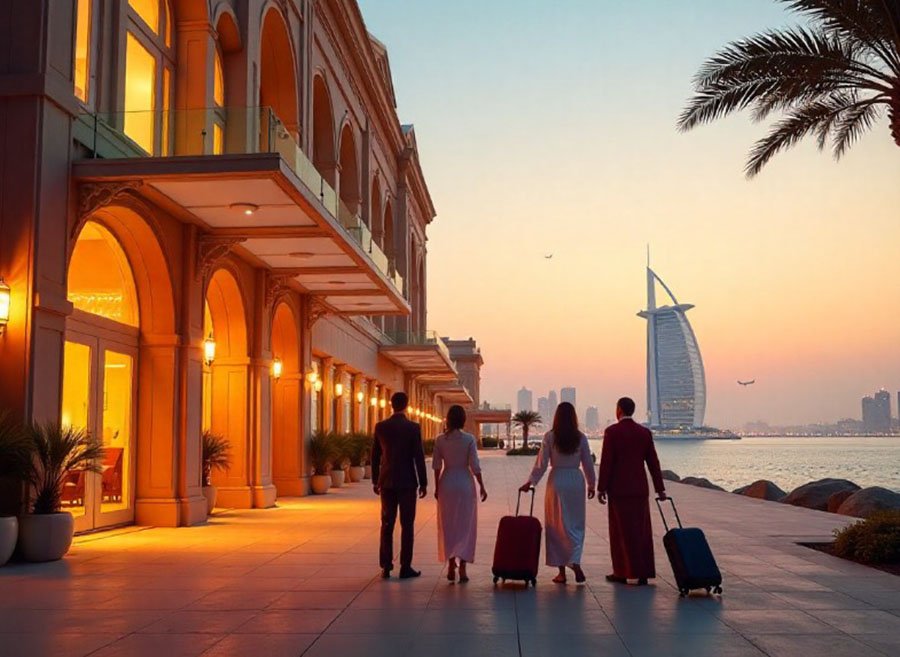
Photo credit: Travel and Tour World
The UAE hotel market reached record performance levels in 2025, with average hotel occupancy climbing to 79%. Growth has been driven by resilient international demand, expanded air connectivity and continued investment in tourism infrastructure, Travel and Tour World reports. Positive dynamics are evident not only in Dubai and Abu Dhabi, but also across other emirates.
Demand structure and travel patterns: UAE hotel market
The main flow of international visitors to the UAE in 2025 continues to be concentrated in Dubai and Abu Dhabi, where the largest hotel clusters, transport hubs and business infrastructure are located. This concentration supports consistently high hotel occupancy throughout the year. At the same time, demand is gradually spreading to other emirates, particularly resort-oriented destinations.
Travel patterns are also evolving. The UAE is increasingly perceived not as a short stopover, but as a standalone leisure destination or a key component of multi-country itineraries. This shift is reflected in booking structures and has led to longer average lengths of stay. For the hotel sector, these changes translate into rising demand for properties designed for extended stays and a more balanced occupancy profile with reduced seasonality.
Culture, entertainment and active tourism: UAE hotel market
Demand for travel to the UAE is further supported by the development of cultural, entertainment and nature-based experiences. The country offers a wide range of travel scenarios. One of the major attractions for international visitors is Louvre Abu Dhabi, which strengthens the emirate’s position as a regional cultural hub and attracts travelers interested in meaningful and educational experiences.
In Dubai, tourists are drawn by theme parks, large-scale shopping and entertainment complexes, water parks and event venues. These formats help maintain stable occupancy in city hotels beyond traditional resort seasons. Desert safaris, coastal areas and water sports generate demand for short trips outside major urban centers and support occupancy at resort properties.
Sustainable and eco-tourism projects are also gaining traction. Natural destinations such as the Al Marmoom Desert Conservation Reserve and Sir Bani Yas Island cater to a more tranquil and individualized travel style. These locations attract visitors seeking alternatives to mass tourism and drive demand for boutique hotels and low-density resort developments.
Aviation and destination accessibility
Growth in tourist arrivals is closely linked to expanded air connectivity and the active role of national carriers. Emirates’ extensive route network provides direct and transit connections from major global cities, reinforcing the UAE’s status as a leading global aviation hub.
Etihad Airways continues to expand its international direct routes through Abu Dhabi, with a particular focus on Europe and Asia. This strategy supports inbound tourism to the capital emirate, especially in the high-end travel segment.
flydubai plays a key role in price-sensitive markets, connecting the UAE with cities across the Middle East, Europe and Asia. Its low-cost routes stimulate short stays and repeat visits, primarily benefiting the urban hotel segment.
Economic impact on the UAE hotel sector
High occupancy levels in 2025 allowed the UAE hotel market to strengthen its operating performance. Supported by steady demand, hoteliers were able to maintain elevated room rates, particularly in the four- and five-star segments, without compromising occupancy.
The most stable results were recorded by city hotels in Dubai and Abu Dhabi, driven by international visitors, business travel and short stays. Resort properties benefited from longer average stays and a more even distribution of demand outside traditional peak seasons.
Rising occupancy has also intensified investor interest in hotel projects, shifting the focus from rapid capacity expansion toward asset quality and revenue management efficiency.
Growth of luxury tourism in the UAE
In 2025, a significant share of global hotel demand is concentrated in the luxury segment, driven by five-star hotels, resorts and exclusive accommodation formats catering to affluent travelers. This segment delivers high occupancy and resilient returns for top-tier assets and remains a priority for investment. Similar trends are observed in the UAE, Europe and other regions.
As mature markets become increasingly saturated and competition intensifies, investor interest is gradually shifting toward destinations at earlier stages of development, where demand is growing faster than supply. In this context, Georgia is gaining attention. Despite a steady increase in tourist arrivals, the country continues to face a shortage of high-end hotels, creating strong demand in the upper price segment and allowing assets to achieve higher occupancy and returns than in oversupplied hubs.
For example, in one of the largest branded projects, Wyndham Grand Batumi Gonio, guaranteed returns are estimated at 10%, with potential yields reaching 19% or higher. Additional advantages of the Georgian market include relatively low entry barriers, a liberal visa regime, no restrictions on foreign property ownership and a less stringent regulatory environment. Investors from the UAE are among those actively allocating capital to the country.
Global hotel market outlook
According to Global Growth Insights, the global hotel market in 2025 is valued at approximately USD 800.7 billion. Over the next decade, the market is expected to grow at an average annual rate of about 4.7%, potentially reaching USD 1.27 trillion by 2035. This outlook suggests steady, sustainable expansion supported by recovered international demand and ongoing development of hospitality infrastructure worldwide.
The total contribution of travel and tourism to the global economy already exceeded pre-pandemic levels by 6% in 2024, reaching USD 10.9 trillion, according to the World Travel & Tourism Council (WTTC). By 2035, this figure could rise to USD 16.5 trillion, confirming the sector’s enduring importance to the global economy.
Analysts at International Investment note that, taken together, these estimates point to a stable foundation for medium- and long-term growth in the hotel market. Expansion is being driven not by short-term demand spikes, but by broader trends in international travel, investment activity and tourism infrastructure development, creating predictable conditions for planning new hotel projects and generating sustainable returns.