







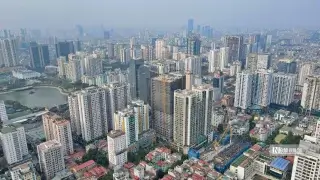
 Vietnam Mortgage Surge Pushes Homes Out of Reach
 Lithuanian Apartment Prices Accelerate Across Major Cities
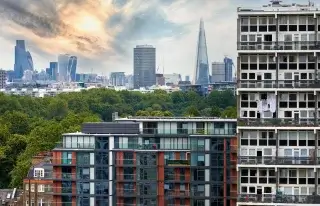 London Flats Lose Value Ahead of Leasehold Reform
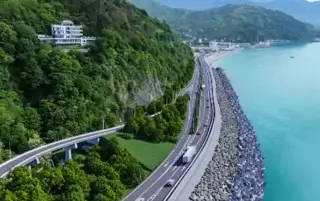 Construction of the Batumi–Sarpi Highway Begins in Georgia
 Baltic Property Investment Accelerates in 2026
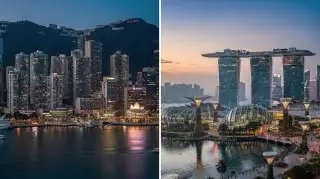 Hong Kong and Singapore Renew Their Expat Rivalry
Environmental Crisis in the Middle East
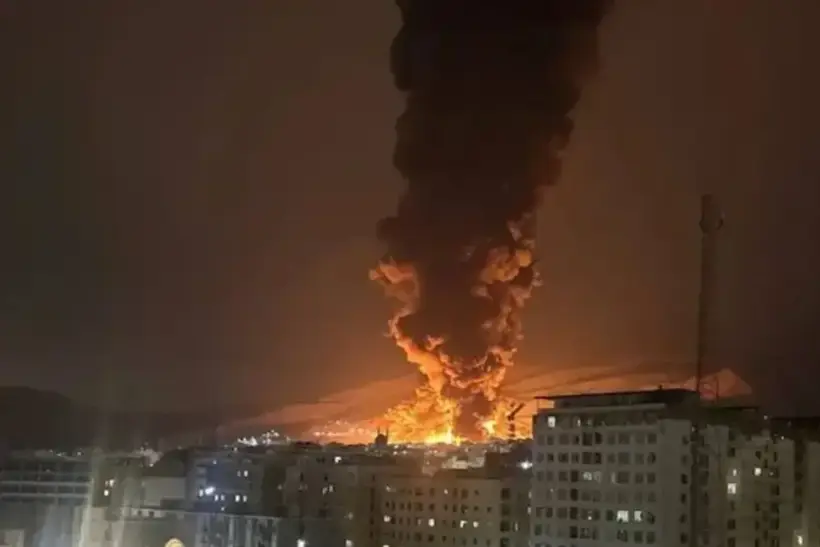
Oil Spills, Toxic Rain, and Threats to Tourism in the Gulf Countries
The war in the Middle East has caused extensive environmental consequences that extend far beyond the combat zones. Strikes on oil refineries in Iran have led to the fallout of toxic precipitation over Tehran. Attacks on desalination plants in the Persian Gulf have put the water supply of several countries at risk. The threat of an oil spill in the Strait of Hormuz could destroy beaches and marine ecosystems in the UAE, Qatar, and Saudi Arabia.
Black Rain over Iran
Following strikes on oil refineries and storage facilities near Tehran and Alborz province, massive fires broke out. Pollutants condensed on soot particles, resulting in black-colored precipitation. Iranian authorities recommended that residents wear masks and stay indoors.
On March 10, the Office of the UN High Commissioner for Human Rights expressed serious concern over the impact of air and water pollution on civilians due to attacks on energy infrastructure.
The World Health Organization confirmed that concentrations of fine particulate matter (PM2.5) in Tehran’s air on certain days exceeded safe limits by tens of times. WHO Director-General Tedros Adhanom Ghebreyesus stated that the pollution poses serious risks, especially for children, the elderly, and people with chronic illnesses. Toxic hydrocarbons, sulfur and nitrogen oxides (precursors of acid rain), and heavy metals were present in the air. Meteorological conditions—temperature inversion—worsened the situation by keeping pollutants near the ground.
Iranian authorities have already recorded acid rain, which poses risks to agriculture and public health. Prolonged drought exacerbates the situation. Rivers, reservoirs, and underground aquifers—the main water sources—have been depleted after five years of drought. The country has accelerated construction of desalination plants on the southern coast, planning to pump water inland, but infrastructural limitations, energy costs, and sanctions sharply restrict the scale of these projects, as noted by Euronews.
Strikes on Desalination Plants in the Persian Gulf
Gulf countries critically depend on seawater desalination. Professor Michael Christopher Lowe, Director of the Middle East Center at the University of Utah, calls these states “salt kingdoms”: “They are man-made water superpowers built on fossil fuels. It is both a monumental achievement of the 20th century and a certain vulnerability.”
Kuwait covers 90% of its water needs through desalination, Oman 86% (CIA data), and Saudi Arabia 70%. There are 56 major plants in the region supplying multi-million cities.
In the first ten days of March, key water supply facilities were targeted. Iran accused the U.S. of striking a desalination plant on Qeshm Island in the Strait of Hormuz. Thirty villages were left without access to freshwater. Iranian Foreign Minister Abbas Araghchi called the attack on civilian infrastructure a war crime.
Pro-Iranian forces also struck a desalination complex in Bahrain. Bahrain’s Ministry of Foreign Affairs confirmed the attack and appealed to the UN. A desalination plant in the Emirate of Fujairah (UAE) was damaged. The exact cause is unknown—damage may have resulted from debris from downed drones or collateral effects of nearby strikes. This has already led to short-term disruptions and increased need for water reserves.
Additional risks exist. Water from desalination plants often returns to the sea as a by-product of treatment, which, under damaged infrastructure, can exacerbate local pollution of coastal waters. (Circle of Blue)
Risks of Oil Spills in the Strait of Hormuz
The Strait of Hormuz is a key artery for global oil trade. Since the escalation, at least five tankers have been attacked in the strait and the Gulf of Oman, according to UKMTO. One torpedoed vessel sank on February 28, just 280–370 km from the UAE’s eastern coast.
Closure of the strait, through which 20% of global oil passes, forces tankers to take routes around Africa, sharply increasing emissions from ships and spill risks along overcrowded alternative routes. The strait is also critical for food security: about a third of global fertilizer shipments pass through it.
Experts draw parallels with the 1991 Gulf War, when around 11 million barrels of oil spilled into the sea. Modern tankers can carry up to 200,000 tons each. In high temperatures, evaporation of oil products increases, and tens of thousands of people may be affected by toxic fumes. Even without direct oil spills, damaged tankers release heavy metals, dioxins, and “forever chemicals” (PFAS), which persist in ecosystems for decades.
Oil entering desalination water intakes makes plants inoperable: modern reverse osmosis membranes cannot withstand contact with petroleum products and fail. For the UAE’s tourism industry, this is a direct blow. If oil reaches the shores, beaches in Dubai and Sharjah could be closed for months or years. Cleaning sandy beaches of oil under wartime conditions is nearly impossible.
Nuclear Plant Threats
The region operates two nuclear power plants: Bushehr in Iran and Barakah in the UAE (four reactors). Experts warn that if these plants are damaged during military actions, radioactive contamination of Persian Gulf waters will occur. The gulf is a nearly closed body of water with slow exchange with the ocean, making the consequences irreversible for the entire region. Radioactive water will enter desalination systems. People may drink water filtered through membranes, but radioactive isotopes (tritium, cesium) are not removed by reverse osmosis. (Media AZ)
Long-Term Regional Consequences
Professor Adi Wolfson of Technion warns that air and water pollution knows no borders. Toxic substances from the “black rain” in Iran and oil spilled in the Strait of Hormuz will have long-term impacts on the entire regional ecosystem. This crisis will contribute to rising cancer and respiratory disease rates in the coming years.
Military actions themselves are significant emission sources. Researchers report that even before the current escalation, armed forces worldwide produced 5.5% of global greenhouse gas emissions annually—more than any country except China and the U.S. Jet fighters consuming huge amounts of fuel are one example of this hidden climate impact.
On this background, UN Secretary-General António Guterres called for an accelerated energy transition: “Renewable energy produced on-site has never been cheaper, more accessible, and scalable. Clean energy resources cannot be blocked or weaponized.”
The March 2026 escalation has elevated ecological risks from collateral concerns to direct threats to national security. In just two weeks, damage to energy and water infrastructure created a precedent for long-term toxic contamination of air, soil, and water. Restoration of ecosystems and mitigation of consequences, experts estimate, will require decades and billions of dollars in investment, further burdening affected economies.
Georgia: a Safe Destination for Tourism and Investment
Tourists and investors seek stable destinations, avoiding high-risk areas. Georgia stands out as one of these countries, located outside conflict zones and maintaining high safety, clean air and water, attractive beaches, and developed infrastructure.
The economy remains resilient: GDP growth reached 7.5% in 2025 and 7.9% in January 2026. Forecasts anticipate further growth thanks to investments in infrastructure, transportation, and the digital economy.
Georgia is not dependent on the Persian Gulf’s military infrastructure, reducing risks of air traffic disruptions. Tourism revenues exceeded $4.7 billion over 12 months, a record for the country. Visitor numbers are growing, and the hospitality sector is actively expanding. Investors view Georgia as a territory of stability and high profitability, especially in the hotel sector.
International Investment experts note that the global energy crisis, escalating conflicts, environmental issues, and rising oil prices have not negatively impacted Georgia. The country’s economy continues to expand through tourism, investment, and its role as a transit hub between Europe and Asia, enhancing its regional attractiveness.