







 Vietnam Mortgage Surge Pushes Homes Out of Reach
 Lithuanian Apartment Prices Accelerate Across Major Cities
 London Flats Lose Value Ahead of Leasehold Reform
 Construction of the Batumi–Sarpi Highway Begins in Georgia
 Baltic Property Investment Accelerates in 2026
 Hong Kong and Singapore Renew Their Expat Rivalry
Sterling Falls as Oil Surge Clouds Rate Outlook
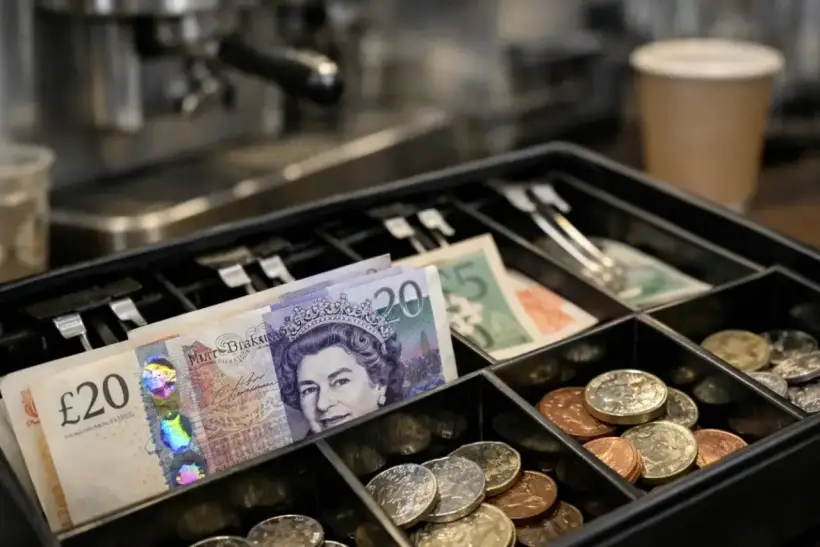
The British pound dropped to a three-month low on March 3 as escalating conflict in the Middle East pushed oil prices sharply higher, reigniting inflation concerns and forcing traders to scale back expectations for Bank of England rate cuts.
Currency and Bond Market Reaction
Sterling fell 0.65% against the dollar to $1.3319, marking its weakest level in three months. Against the euro, it was broadly steady at 87.14 pence.
UK government bond yields climbed for a second consecutive day as markets sharply repriced the outlook for monetary easing. According to LSEG data, traders now assign only a 22% probability to a rate cut at the Bank of England’s upcoming meeting, down from 75% last Friday.
Oil Rally Revives Inflation Concerns
Energy markets reacted strongly to rising geopolitical tensions in the Gulf. Brent crude futures rose 6.8% to $83.05 a barrel after touching $85.12, the highest level since July 2024. U.S. West Texas Intermediate gained 6.7% to $76.04.
Higher oil prices threaten to feed through into UK inflation at a time when economic momentum remains fragile. The renewed energy shock complicates the monetary policy outlook and increases the risk that the central bank maintains restrictive policy for longer.
Bank of England Faces Policy Dilemma
Capital Economics’ chief UK economist Paul Dales said the Bank of England is likely to be more sensitive to upside inflation risks than some other central banks under current conditions. This suggests policymakers may delay rate cuts until there is greater clarity on the trajectory of energy prices and geopolitical developments.
The currency is also weighed down by weak domestic data. Recent figures showed the UK economy barely expanded in the fourth quarter of 2025. In her budget update, Finance Minister Rachel Reeves said the economy is forecast to grow by 1.1% in 2026, based on the latest projections from the Office for Budget Responsibility, below earlier expectations.
Political Uncertainty Adds Pressure
Domestic political uncertainty has added to market unease. Labour’s defeat in a Manchester special election has increased pressure on Prime Minister Keir Starmer, contributing to cautious investor sentiment.
Analysts stress that the pound’s trajectory will depend heavily on how the Middle East conflict evolves and how sustained the rise in oil prices proves to be. A prolonged energy shock could further reduce the likelihood of near-term rate cuts.
As International Investment experts note, sterling’s latest slide reflects a combination of external geopolitical shock and domestic economic fragility. If elevated oil prices persist, the Bank of England may remain cautious for longer than markets previously anticipated, keeping pressure on the currency and UK financial assets.