







read also
 US Prepares to Revoke Up to 200,000 Visas of Asylum Applicants
 Denmark Pushes EU Toward Tougher External Borders
 New-Build Home Prices in Russia Rise 34% in Three Years
 Singapore Core Inflation Hits Highest Since 2024
 High Prices Cool Hong Kong New-Home Demand
 Housing rent in Tirana takes up 93% of the average salary
UK Taxes Set to Rise for Airports and Energy
How the tax base will rise
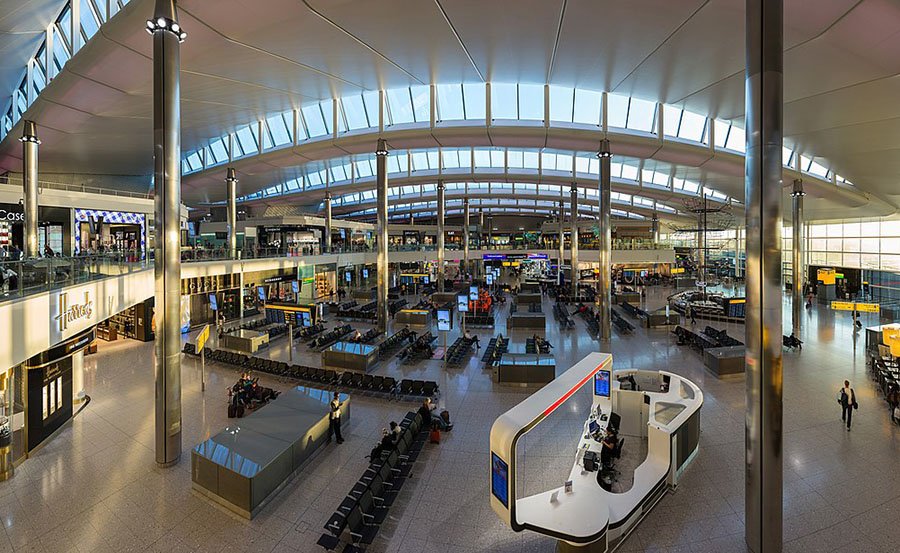
The draft valuations show that airports are among the most heavily impacted assets. Heathrow’s taxable value is set to increase by 353% compared with 2023 — from £210 million to £951 million ($260 million to $1.18 billion). Gatwick’s assessment will rise by 280%, from £71.46 million to £271.73 million ($88 million to $336 million), while Manchester Airport faces a 245% increase.
In the office segment, the highest taxable base in 2026 will be at Goldman Sachs’ London headquarters, rising from £32.41 million to £34.36 million ($40.7 million to $43.1 million). UBS’s Broadgate office and the BBC building on Portland Place follow. In retail, Harrods will pay the largest amount despite a 6.44% decline in its valuation compared with 2023. Selfridges ranks second.
Rising energy prices since the start of the war in Ukraine have also influenced reassessments for energy infrastructure. The taxable base for Heysham 2 power station will rise from £39.4 million ($49 million) to £53.5 million ($67 million), and Sizewell B will increase from £36 million ($45 million) to £62.75 million ($78 million). The nuclear complex at Sellafield will be reassessed from £51.13 million ($63 million) to £58 million ($71 million).
Business rates in the UK are calculated using the assessed taxable value and the multiplier approved annually by the government. Although the draft valuations are not final, they form the foundation for the 2026 calculation. Alex Probyn, Head of Property Tax at Ryan LLC, explained that valuations in 2023 were unusually low because of reduced airport traffic during the pandemic. The strong recovery in passenger flows has now been fully reflected in the new base. Airports are assessed using an “income and expenditure” model, meaning profitability at the valuation date directly influences the outcome.
Business rates will increase for properties with a taxable base above £500,000, helping preserve existing relief for small retailers, hospitality and entertainment businesses. Total tax liabilities are expected to rise to £37.1 billion.
Risks and industry concerns
KPMG notes that the new system will take effect on 1 April 2026. Previous limitations that allowed reductions in tax bills to be phased in over several years are being removed. Transitional support will remain only for companies whose bills rise after reassessment.
According to Reuters, retail sector representatives warn that higher rates could intensify pressure on prices and complicate investment decisions. However, following publication of the budget measures, the shares of major retailers — Tesco, Sainsbury’s and Marks & Spencer — recorded growth.
LandlordZONE reports that the reassessment also reflects an era of elevated operating costs. Over the past two years, insurance, utilities and maintenance expenses have risen sharply, and these increases are now incorporated into commercial property tax calculations. Companies that expanded or modernised their assets in 2024–2025 may face higher tax bills than initially projected.
Analysts at International Investment stress that the draft reassessment illustrates a major redistribution of the tax burden across UK economic sectors. Final amounts will depend on multipliers and local adjustments to be approved in 2026. A similar rate shock recently affected residential property, contributing to declining investment activity in London.
Подсказки: UK, business rates, Heathrow, Gatwick, energy sector, commercial property tax, reassessment, Bloomberg, KPMG, retail sector