







read also
 Australia’s Spring Auctions Rise but Remain Well Below 2025
 Number of Foreigners Holding Turkish Residence Permits Exceeds 1.27 Million
 Demand from Russian Tourists for Holidays in Georgia Rises by 20–25%
 Montenegro Property Buying Costs in 2026
 Four in Ten Companies Would Not Choose Slovakia
 Gulf Countries Prepare Unified Tourist Visa
Saudi Arabia Opens Its Property Market to Foreigners as Developers’ Shares Rise
New rules allow non-residents to own land and property, including in Mecca and Madinah
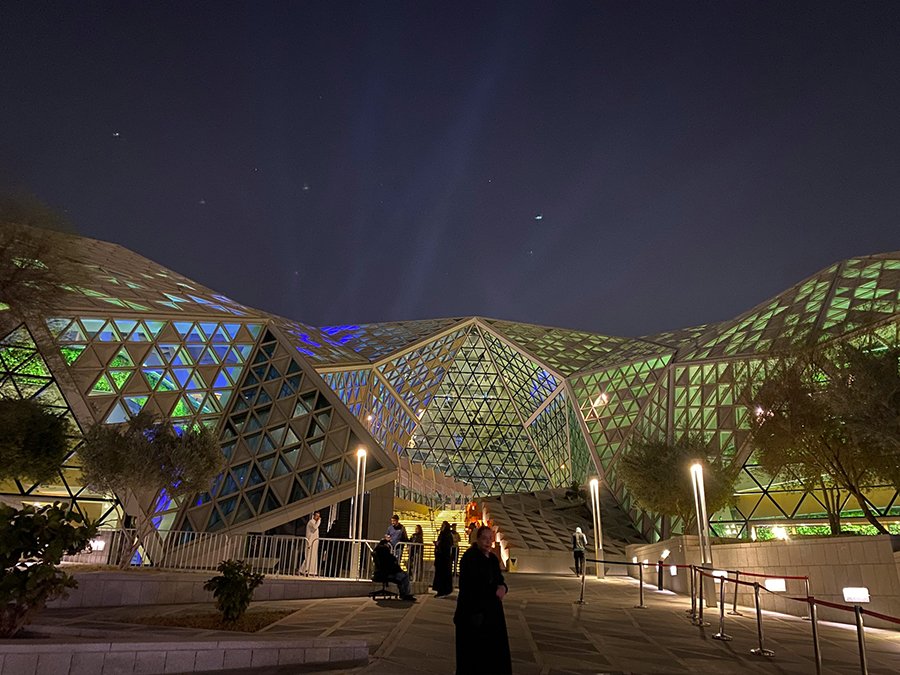
Photo: Unsplash
Shares of Saudi Arabia’s крупнейших developers recorded their strongest growth in four months after the launch of new rules allowing foreigners to buy property, Bloomberg reports. The reform for the first time covers Mecca and Madinah and is seen as part of Saudi Arabia’s broader strategy to attract foreign investment and reduce the economy’s dependence on oil revenues.
Buying Property in Saudi Arabia
Applications from foreigners are already being accepted
The program is being implemented as part of Crown Prince Mohammed bin Salman’s Vision 2030 strategy aimed at attracting capital and transforming the economy. Applications from foreigners to purchase property have been accepted since January 22, 2026. The new legislation allows non-residents to acquire land and own residential, commercial, agricultural, and industrial property. Of particular importance is the extension of these rules to Mecca and Madinah. Previously, ownership in these cities was largely limited to Muslim Saudi citizens and local companies.
Key features of the procedure
Gulf News reports that the entire process — from submitting an application to registering property ownership — is carried out through a unified state digital portal, Saudi Properties. The platform is designed for both individuals and companies.
The procedure depends on the buyer’s status. Residents can submit applications directly through the portal, while non-residents begin the process via diplomatic missions and, after identity verification, gain access to the digital system. Foreign companies must first register with Invest Saudi and obtain a unified identification number.
The authorities plan to publish a list of geographic zones where foreigners will be allowed to purchase property. The document is expected to specify the cities and districts open to overseas investors and serve as the basis for further market regulation.
Rising Shares and Prices
From February 1, Saudi Arabia will fully open its stock market to all categories of foreign investors. This decision complements the property market reform and could further boost capital inflows into the economy.
Government decisions have already been reflected on the exchange. The Tadawul Real Estate Management & Development Index gained 4.5% in a single session, with all 17 companies in the sector posting gains. The biggest increase was recorded by Makkah Construction & Development Co. at around 10%, followed by Dar Al Arkan Real Estate. Saudi Arabia’s main stock index rose for the third session in a row and moved into positive territory in January after its worst annual performance in a decade.
The liberalization of the Saudi property market is already accompanied by rising prices and growing concerns over housing affordability for locals. In Riyadh, apartment prices rose by 96% between early 2019 and the third quarter of 2025, while rents have been increasing by an average of 8.5% per year. Crown Prince Mohammed bin Salman has ordered a five-year freeze on rent increases in the capital and demanded an end to what he called an “unacceptable” surge in property prices.
Expert Opinions
The authorities expect that liberalizing the property market will help reduce dependence on oil revenues and support the growth of non-oil sectors, including construction, finance, and urban development.
Matthew Green, head of MENA research at CBRE, believes the law will be a “real game changer” for Saudi Arabia’s property market, given the large volume of international capital interested in both development and project financing.
Fadi Arbid, founding partner and chief investment officer at Amwal Capital Partners, notes that the market had been in need of positive signals. According to him, opening the property market, especially in Mecca and Madinah, is seen by investors as a strong positive factor for the sector. He подчеркнул, that expanding access to these cities is one of the key elements of the reform from an investment perspective.
Dubai as a Benchmark
Dubai’s experience has served as a reference point for Saudi Arabia’s reform. A similar liberalization in the UAE led to a sharp increase in construction activity, attracted foreign buyers, and turned real estate into one of the main drivers of the economy. At the same time, social and cultural factors remain a constraint for some investors.
Analysts at International Investment note that many wealthy foreigners choose Dubai not only because of transparent ownership rules, but also due to its high standard of living and status as a global tourist hub. Saudi Arabia, despite developing resort projects and gradually easing restrictions, is still perceived as a more conservative country with limited leisure and lifestyle options. In addition, the rent freeze could negatively affect investor returns.
At the same time, in the UAE a significant share of buyers are expats who are sensitive to economic cycles, and the market has experienced several boom-and-bust phases. In Saudi Arabia, demand is more strongly supported by the domestic market: the population stands at about 35 million, with 34% under the age of 14. This demographic structure creates a solid base for long-term housing demand over the coming decades.