







 Vietnam Mortgage Surge Pushes Homes Out of Reach
 Lithuanian Apartment Prices Accelerate Across Major Cities
 London Flats Lose Value Ahead of Leasehold Reform
 Construction of the Batumi–Sarpi Highway Begins in Georgia
 Baltic Property Investment Accelerates in 2026
 Hong Kong and Singapore Renew Their Expat Rivalry
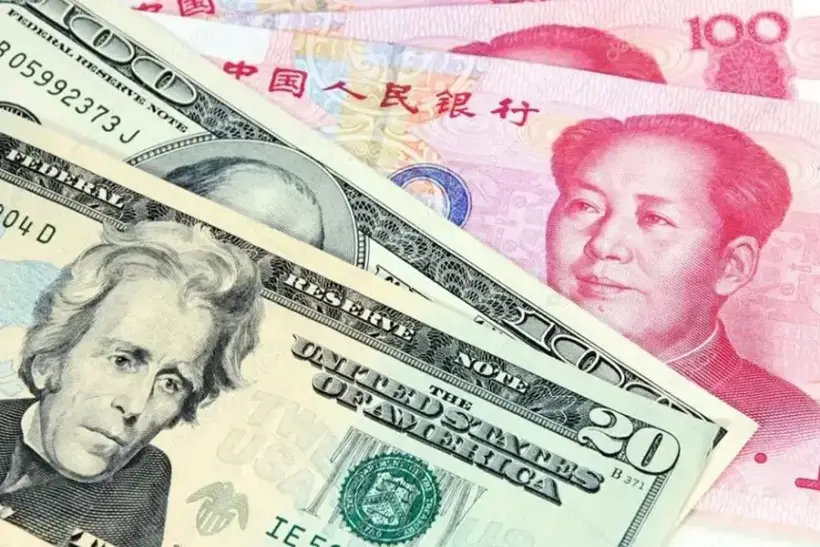
China’s central bank steps up currency management
China’s central bank is strengthening its grip on the national currency, adjusting the daily yuan reference rate for the fifteenth consecutive week. The move marks the longest such streak on record and signals Beijing’s intention to carefully guide the pace of the currency’s appreciation amid global economic uncertainty.
The reference rate, commonly known as the fixing, is set by the People’s Bank of China (PBOC) and determines the midpoint around which the yuan can trade against the US dollar. The currency is allowed to fluctuate within a band of up to 2% above or below this level in onshore markets.
By adjusting the fixing repeatedly, authorities are effectively steering expectations in the foreign-exchange market and preventing the yuan from strengthening too quickly.
Why Beijing wants to limit yuan appreciation
Analysts say the central bank is attempting to strike a delicate balance between currency appreciation and export competitiveness. A rapidly rising yuan could weaken China’s export sector, which remains a key pillar of economic growth.
The currency has been gaining strength in recent months amid a softer US dollar, improving investor sentiment toward Chinese assets, and signs of stabilization in parts of the Chinese economy.
However, policymakers appear cautious about allowing the rally to accelerate. In previous sessions the PBOC set the fixing weaker than market expectations to slow the pace of appreciation and reduce volatility in currency markets.
How the yuan fixing mechanism works
Unlike most major currencies, the yuan does not float freely. Each trading day the People’s Bank of China publishes a central parity rate that serves as the starting point for trading in the domestic foreign-exchange market.
The fixing is a crucial tool of monetary policy, allowing authorities to maintain exchange-rate stability while still giving markets some influence over daily movements.
Global investors closely monitor the fixing because it often reflects Beijing’s policy stance and broader economic priorities.
Global implications of China’s currency strategy
Movements in the yuan increasingly affect global financial markets. The Chinese currency has grown in importance in international trade and finance and is now among the most actively traded currencies worldwide.
Changes in the yuan’s value can influence other Asian currencies, commodity prices and the strength of the US dollar. A stronger yuan can ease pressure on emerging-market currencies, while a weaker yuan often contributes to dollar strength and volatility in regional markets.
As China continues to manage the pace of its currency’s appreciation, global investors are paying close attention to signals coming from Beijing’s daily fixing decisions.
As experts at International Investment report, the continuation of this record-long series of yuan fixing adjustments highlights Beijing’s strategy to preserve currency stability while preventing excessive appreciation. Such an approach allows China to protect export competitiveness and reduce financial risks during a period of heightened global economic uncertainty.