







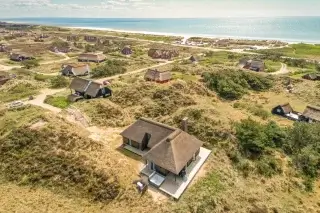
 Denmark Sets First-Half Tourism Record as Germans Lead
 Drought Dries Bärenschützklamm Waterfalls in Austria
 Thailand Industrial Property Faces Rising Vacancy Risk
 Apartment Prices in Estonia Differ by 51 Times
 European Property Investment Rises to €54 Billion
 Vienna Leads Rentals, Alpine Resorts Earn More
Medical Tourism in Europe: Competitive Advantages

Foreign Patients Are Drawn by Unified Standards and Advanced Technologies
The European medical tourism market is experiencing steady expansion. Germany has firmly established itself among the key destinations alongside Spain, Hungary, the Czech Republic, Poland, Greece, Portugal, as well as Turkey, Slovakia, Malta, Italy, and the United Kingdom, Travel and Tour World reports. The region is seeing a sustained influx of patients both from neighboring countries and from outside Europe.
The Economics of Demand: Why Patients Choose Europe
Medical tourism in Europe is driven by several intersecting factors. A significant role is played by the price gap. In addition, for residents of countries with overloaded healthcare systems, traveling abroad becomes a way to reduce waiting times for complex surgeries or fertility programs.
Europe offers a high level of clinical expertise. Medical centers perform complex, high-tech procedures under strict EU standards, while unified requirements for licensing, equipment certification, and quality control create an additional layer of trust. For international patients, predictability of procedures and transparency of the regulatory environment are essential.
Another advantage is the recovery infrastructure: mild climates, resort areas, a developed hospitality sector, and strong transport connectivity create favorable conditions for rehabilitation. In many countries, treatment is complemented by rehabilitation programs, thermal facilities, and wellness centers, turning a medical trip into a comprehensive service experience.
Diversification further strengthens overall demand, allowing patients to choose destinations based on budget, medical needs, and the level of clinical complexity required.
Germany: High-Tech Medicine
Germany positions itself as a destination for complex and costly interventions. Cardiothoracic surgery, orthopedics, neurosurgery, and oncology form the backbone of the country’s medical export sector. Oncology programs are particularly significant, including targeted therapies, robotic surgical systems, and highly complex reconstructive procedures.
A strong university-based medical system and close integration between hospitals and research centers enable the rapid implementation of innovative diagnostic and therapeutic methods. German medical institutions actively participate in international clinical trials, expanding patient access to advanced treatment protocols.
Key advantages include a strict regulatory environment, unified quality control standards, and transparent medical costs. Detailed billing systems and cost breakdowns reduce financial risks for foreign patients.
Germany competes less on price and more on clinical reputation, depth of specialization, and predictability of outcomes. It represents a segment of expensive and highly complex services aimed at patients who prioritize maximum technological sophistication and medical expertise.
Southern Europe: Balancing Cost and Quality
Spain is strengthening its expertise in oncology treatment, advancing neurosurgery and stem cell therapy, while remaining more affordable compared to several Western European countries. Private medical groups are investing in high-precision diagnostic equipment and robotic surgery, reinforcing Spain’s position in complex planned interventions. Well-developed international departments within clinics are tailored to foreign patients.
Portugal is expanding its presence in reproductive medicine and ophthalmology, offering treatment within EU standards and emphasizing procedural safety and regulatory transparency. The combination of modern clinics, a stable legal environment, and strong tourism infrastructure simplifies the recovery period and reduces logistical barriers for international patients.
Greece focuses on aesthetic and reconstructive surgery, leveraging competitive pricing and climate advantages. Italy prioritizes oncology treatment and rehabilitation programs, complementing medical services with thermal and wellness centers to create a comprehensive recovery format.
Central Europe: Niche Specialization
Hungary has secured its status as Europe’s dental tourism hub. More than 30,000 patients visit annually for implants, prosthetics, and aesthetic procedures. A substantial price difference compared to Western Europe, combined with comparable quality, has created a steady cross-border flow, particularly from Germany, Austria, and the UK. A well-developed private clinic network and short waiting times provide additional advantages.
The Czech Republic is actively developing reproductive medicine, as well as ophthalmology and aesthetic surgery. Private clinics cater to international patients, offer English-language support, and provide fixed treatment packages that simplify organization. More flexible regulation in assisted reproductive technologies compared to some EU countries also strengthens its competitive position.
Poland attracts patients with affordable orthopedic, dental, and cosmetic procedures. A broad network of private medical centers and geographic proximity to Scandinavia and Germany make the country a convenient destination for planned surgeries and recovery programs.
Turkey and Malta: Plastic Surgery and Pricing Strategies
Turkey shows one of the fastest growth rates in European medical tourism thanks to aggressive pricing policies and active international marketing. Istanbul has become a major hub for aesthetic surgery, hair transplantation, and dentistry. Procedure costs are often 40–70% lower than in Western Europe, generating a steady flow of patients from the EU, the UK, and the Middle East.
An additional factor is the “all-inclusive” model, with clinics offering packages that include transfers, accommodation, and post-operative care. At the same time, Turkish medical centers invest heavily in modern equipment and international accreditation, strengthening trust among foreign clients.
Malta operates in a different niche. The country emphasizes stability, an English-speaking environment, and regulatory transparency rather than aggressive price competition. Private clinics develop aesthetic and orthopedic surgery as well as ophthalmology. For UK patients, Malta serves as an alternative amid congestion in the national healthcare system.
A safe environment, compact geography, and strong tourism infrastructure allow patients to combine treatment with comfortable recovery, reinforcing Malta’s competitiveness in planned surgical procedures.
United Kingdom: Clinical Expertise and Complex Interventions
The United Kingdom maintains its reputation as a destination for complex operations and specialized medicine. The country is traditionally strong in orthopedics, cardiac surgery, neurosurgery, transplantation, and treatment of rare diseases. British clinics actively participate in international clinical research, enabling the early adoption of innovative therapies and advanced pharmaceuticals.
Highly trained specialists, strong ties to university research, and strict quality control standards generate steady demand from foreign patients.
A well-developed private healthcare sector helps reduce waiting times. Together, these factors strengthen the UK’s position as a center for specialized care aimed at patients seeking the highest level of medical expertise. At the same time, treatment costs remain among the highest in Europe.
The Architecture of European Medical Tourism
European medical tourism is increasingly structured into complementary models. Germany and the UK represent the high-tech, clinically complex segment, where scientific strength and depth of specialization are decisive. Central Europe focuses on cost efficiency while maintaining EU standards and niche expertise in dentistry, orthopedics, and reproductive medicine. Southern Europe integrates treatment with rehabilitation and tourism infrastructure. Turkey acts as a price-driven competitor, expanding mass-market aesthetic and dental services.
Analysts at International Investment note that this diversified structure allows Europe to serve various categories of patients, from those seeking advanced surgeries to those primarily driven by cost considerations. At the same time, price levels in most EU countries remain relatively high, increasing competition from markets outside the Union.
Even patients from countries with advanced healthcare systems, including Israel, often choose dental treatment in Georgia, where services are cheaper while maintaining acceptable quality. This confirms that pricing remains one of the key drivers in the redistribution of global medical tourism flows.