







 Vietnam Mortgage Surge Pushes Homes Out of Reach
 Lithuanian Apartment Prices Accelerate Across Major Cities
 London Flats Lose Value Ahead of Leasehold Reform
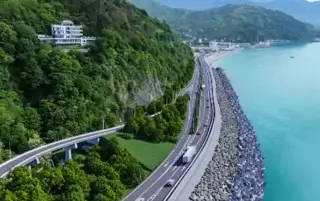 Construction of the Batumi–Sarpi Highway Begins in Georgia
 Baltic Property Investment Accelerates in 2026
 Hong Kong and Singapore Renew Their Expat Rivalry
Mastercard cards issued by Belarusian banks to be disabled in Europe from April 21
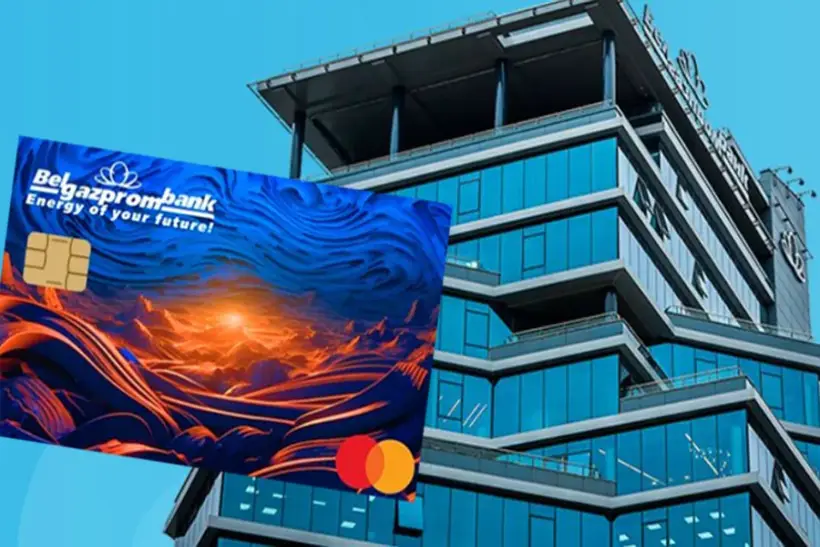
Starting April 21, 2026, Mastercard cards issued by Belarusian Alfa-Bank and Belgazprombank will stop working in Europe. The decision was made by the international payment system Mastercard. The restrictions will affect dozens of countries, including the EU, the United Kingdom, and members of the European Free Trade Association.
Mastercard disabled in the EU and the UK
Belgazprombank said in an official statement that from April 21, transactions using its Mastercard cards in EU countries will become unavailable, including payments in online stores registered in those jurisdictions. At the same time, the cards will continue to function in Belarus and in countries outside the EU.
Alfa-Bank published a broader list: restrictions will apply to 31 countries, including the United Kingdom, Germany, France, Italy, Spain, Poland, the Baltic states, and Scandinavia, as well as Iceland, Liechtenstein, and Norway. In practice, this covers almost the entire European area operating under unified financial rules.
Once the restrictions take effect, cardholders will no longer be able to withdraw cash from ATMs, pay in stores or online, or transfer funds from card to card via local services.
Banks advise clients to withdraw funds
Alfa-Bank acknowledged that it had expected such a scenario. Clients currently in Europe are advised to withdraw cash in advance or transfer funds to cards issued by other banks.
To mitigate the impact, the bank has waived fees for withdrawing personal funds abroad until June 17, regardless of the amount. It also offers free transfers via the ERIP payment system to cards of other Belarusian banks.
The bank explicitly recommends carrying multiple cards and cash when traveling, noting that using its services abroad is becoming increasingly difficult.
Visa shutdown in March
The April decision follows earlier tightening measures. In March, the international payment system Visa stopped servicing cards issued by three Belarusian banks—Alfa-Bank, Belgazprombank, and Belagroprombank—in the EU, the United Kingdom, Norway, Iceland, and Liechtenstein.
The restrictions took effect on March 18–19 and effectively blocked all transactions: cash withdrawals, in-store payments, online purchases, and transfers. As in the April case, the decision was made by the payment system itself.
After Visa was disabled, Mastercard remained the primary working tool for Belarusian clients in Europe. Now this channel is also being closed.
Sanctions and pressure on Belarus’ payment infrastructure
Amid these developments, banks and customers are rapidly adapting. Alternatives under consideration include cards from other payment systems, domestic solutions such as Belkart, China’s UnionPay, and transfers via ERIP.
Analysts at International Investment link the situation to EU sanctions policy toward Belarus. Restrictions began after the events of 2020 and have gradually expanded—from targeted measures to sector-wide limitations, including the financial sector. Payment systems are required to comply with sanctions in the jurisdictions where they operate, and as restrictions tighten, they are forced to suspend card services in Europe.
The situation has already led to noticeable changes: Belarusian banks are losing access to international payment infrastructure, cross-border revenues are declining, and clients are seeking alternatives. The restrictions are expected to negatively affect tourism, business, and investment.
Further developments will depend on EU sanctions policy and decisions by international payment systems. If restrictions tighten, they may extend to additional financial instruments. If pressure eases, some services could theoretically be restored. For now, however, the trend is clear: the European market is becoming less accessible for Belarusian banks, and routine financial operations are increasingly unpredictable.