







 Egypt Prepares New Law for Property Developers
 Young Japanese Buyers Turn to 50-Year Mortgages
 Argentina Narrows Tourism Gap as Arrivals Rise
 Seattle Luxury Housing Loses Its Former Momentum
 The World’s Strongest Passports for Travel, Living and Investment
 Russian Developers’ Debt Nearly Doubled in a Year
Abu Dhabi freezes rent prices: what will change in the housing market
Unsplash
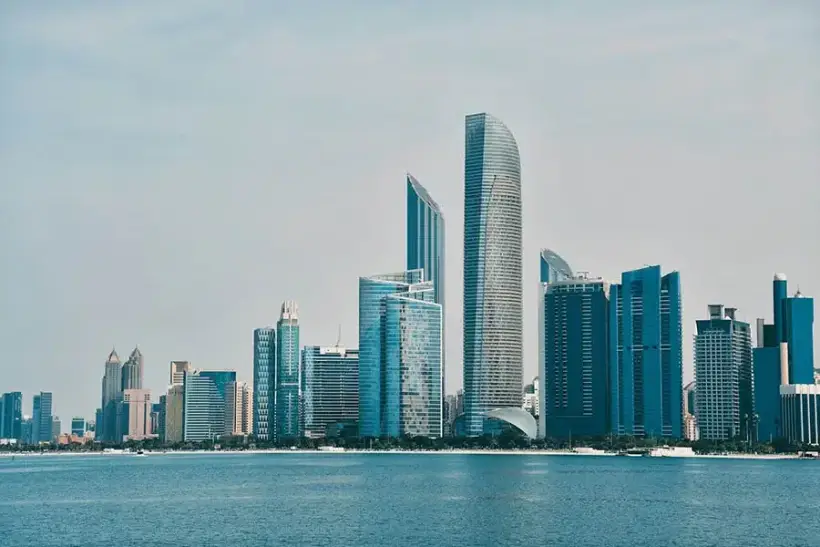
Abu Dhabi authorities have introduced a temporary freeze on rent increases for all renewed tenancy contracts, Khaleej Times reports. The new rules have already come into force, removing the previous system that allowed annual rent increases of up to 5%, provided tenants were given two months’ notice.
What will change for landlords and property owners in Abu Dhabi
Previously, property owners were allowed to increase rents by a maximum of 5% per year. The new rules introduce a full ban on rent increases upon contract renewal until further notice from the authorities. An additional tenant protection measure has also been introduced: if a landlord terminates a tenancy with an existing tenant, they will not be able to rent the unit to a new tenant at a higher price.
Compliance will be enforced through the mandatory tenancy registration system Tawtheeq. The system will automatically block any attempt to register a contract at a rate higher than the previous year’s rent. This restriction also applies in cases where both parties had already agreed on a rent increase before the new rules came into effect.
At the same time, authorities have not yet clarified whether already renewed contracts signed before the announcement of the new measures will be revised. Farooq Syed, CEO of Springfield Properties, noted that the new rules currently apply only to contracts being registered under the updated regulatory framework.
Experts call the decision rare for the global market
Crompton Partners Managing Partner Ben Crompton said that the most significant part of the reform is the strengthened tenant protection after tenant turnover, calling such a level of support extremely rare in global practice. He added that a full rent freeze would provide major relief for many residents in the current economic conditions. He also noted that rent growth caps were previously applied in Abu Dhabi, including a 5% limit in 2018, which helped tenants manage housing costs.
Springfield Properties CEO Farooq Syed also welcomed the initiative, saying it creates greater certainty for both residents and businesses by helping them plan housing and commercial expenses more effectively.
Growth in Abu Dhabi real estate transactions
Zawya previously reported that in Q1 2026, Abu Dhabi’s real estate market recorded a sharp increase in activity. Total transaction value reached AED 66 billion ($18 billion), up 160.7% compared to the same period in 2025.
The highest transaction volumes were recorded on Hudayriyat Island — AED 11.97 billion ($3.26 billion). It was followed by Reem Island — AED 9.45 billion ($2.57 billion) and Saadiyat Island — AED 8.8 billion ($2.40 billion). Yas Island recorded transactions exceeding AED 5.5 billion ($1.50 billion).
According to the Abu Dhabi Real Estate Centre (ADREC), the number of transactions in March fell to 2,600, down from 3,100 in January and 2,700 in February 2026, which may be linked to regional tensions. Some price corrections were also observed in certain segments. In April, when a temporary ceasefire was established in the Middle East, more than 3,200 sales contracts were registered in Abu Dhabi. Residential sales volume in April exceeded AED 13 billion ($3.54 billion).
The rental repeat price index rose by 16% in March compared to the same month in 2025. At the same time, developers increased supply, with 16 new projects registered over the quarter (+60%). Housing stock in the emirate is expected to grow by more than 10,000 units in 2026. ADREC also noted that growth in properties with active tenancy contracts has slowed, citing high occupancy levels.
Foreign investors in Abu Dhabi
Direct investment in Abu Dhabi reached AED 8.27 billion, up 423% compared to Q1 2025. Investors from 68 countries participated last year, rising to 99 in 2026. Around 84% of total investment was concentrated in investment zones. Key source markets included the United Kingdom, India, Russia, China, Jordan, France, and Egypt.
Analysts at International Investment note that since the outbreak of war in the Middle East, signs of cooling have become visible in this segment as well. The UAE real estate market has lost part of its reputation as an unquestionably safe investment haven. In Dubai, data already indicates a noticeable slowdown in buyer and investor activity. New regulatory measures in Abu Dhabi could become an additional risk factor, reducing the attractiveness of residential property for investors.
Even the US–Iran peace agreement is unlikely to fully offset the impact of a prolonged period of geopolitical tension, during which tourism declined and demand in several real estate segments weakened. Additional restrictions may also reduce investment returns. A strategy based on rising rents and later resale at higher prices is becoming less predictable, with potential profits increasingly limited under the new conditions.