









Explosions in Downtown Dubai — Fake or Real?
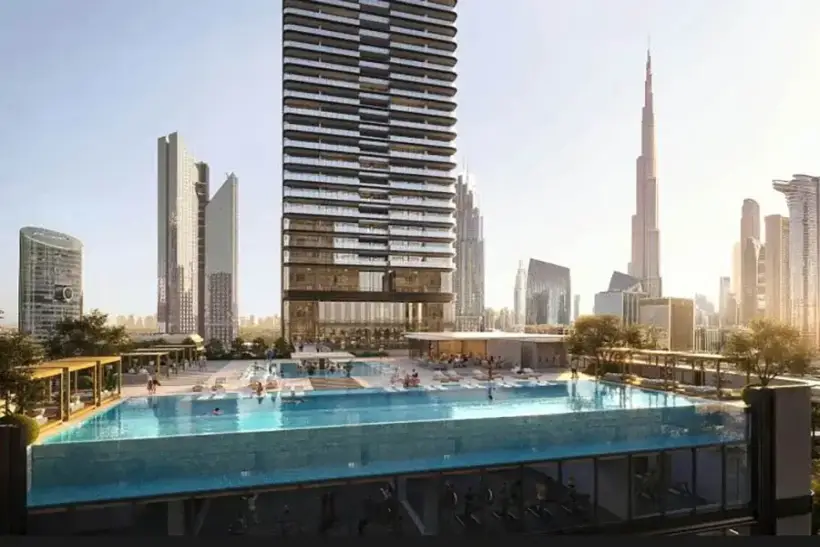
Reuters reported explosions in downtown Dubai on the evening of July 16. Later, authorities in the emirate said the information was inaccurate. The outlet withdrew the report but noted growing tensions in the Gulf region. Iran and the United States are exchanging new strikes, and the conflict zone is expanding again.
What is known about the reported explosions in Dubai
Reuters cited witnesses who reported explosions in downtown Dubai, where the Trump International Hotel & Tower is located. However, the agency was unable to immediately determine the source of the sounds and later withdrew its original report. Dubai Media Office subsequently stated that no explosions had occurred in the city center. Authorities also said they had not detected any activity or consequences indicating an emergency.
Reuters noted that since February, residents of Dubai and other Gulf countries have repeatedly heard loud sounds during interceptions of missiles and drones. However, this time no signs of damage or other incidents were found.
Earlier, the Islamic Revolutionary Guard Corps (IRGC) stated that properties linked to Donald Trump in the UAE and Saudi Arabia could be considered targets for strikes. IRNA reported that several such properties are located in the Gulf countries, including golf clubs and skyscrapers. These include Trump International Hotel & Tower in Dubai, Trump Plaza in Jeddah, and Trump Tower in Riyadh.
Escalation of the US-Iran conflict
On June 17, the United States and Iran reached a temporary agreement on a ceasefire and the launch of new negotiations. However, the truce was broken again in July, with both sides exchanging a series of strikes. Washington said the attacks were a response to Iranian attacks on commercial vessels. Iran later launched missiles and drones at Gulf countries hosting US military bases. CBS News reported that on July 10, US President Donald Trump notified Congress of the resumption of military operations and the restoration of a blockade on Iranian ports and vessels.
The Guardian reported that on July 16, the United States struck areas around Tehran as well as other locations, including the port city of Bandar Abbas and Qeshm Island, where missile and drone storage facilities are located. On the same day, Iran responded with strikes on US military bases in Bahrain, Kuwait, and Jordan. A drone attack was also reported in Erbil, Iraqi Kurdistan.
The Strait of Hormuz remains the main source of tension. Before the conflict, around 20% of global oil and gas exports passed through the route. Amid the fighting, the number of vessels using the route declined, while oil prices rose to around $85 per barrel.
Consequences of the Iran-US conflict
The Strait of Hormuz remains the most sensitive point in the conflict. Iran has again announced the closure of the route, which before the conflict carried around 20% of global oil and gas exports. Several days earlier, the number of vessels passing through the strait had already declined due to the resumption of hostilities.
The developments have already affected global energy markets. Oil prices have risen to around $85 per barrel. Experts warn that further supply disruptions could push prices up to $100 per barrel. A potential restriction of exports through the Strait of Hormuz remains a major risk, as the route carries a significant share of global energy flows.
Analysts at International Investment note that the renewed fighting is once again negatively affecting air connectivity and the tourism sector in the Middle East. If the conflict expands further, the region could face new flight restrictions, a decline in tourist arrivals, and higher operating costs for businesses.
For investors, this means increased risks. The most vulnerable markets are those that could become directly involved in the conflict or face disruptions to transport links. At the same time, long-term projects supported by strong domestic economies and diversified sources of demand may retain their attractiveness once the situation stabilizes.