










War in the Middle East is reshaping Britons’ plans in Dubai
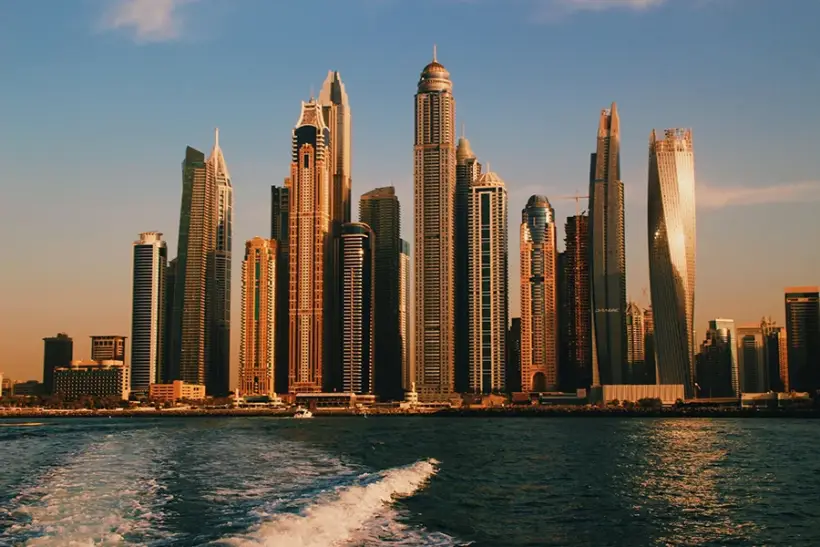
The war around Iran is putting pressure on one of the core pillars of Dubai’s economic model: its reputation as a safe haven for British expatriates, international capital and property buyers. Bloomberg’s March 20 report centered on exactly that vulnerability, arguing that regional escalation, strikes and air-travel disruption are forcing a reassessment of what had become the emirate’s defining appeal — low taxes, high-quality infrastructure and a sense of distance from the Middle East’s security crises.
What attracted Britons to Dubai before the crisis
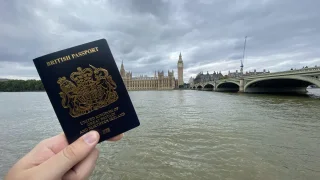
Over recent years, Dubai became a major destination for British entrepreneurs, financiers, consultants and wealthy families. The attraction was driven not only by the UAE’s lack of personal income tax, but also by changes in the UK’s own tax regime. From April 6, 2025, the old non-dom framework was abolished and replaced with a residence-based system, making cross-border mobility and jurisdiction choice even more important for wealthy Britons.
British demand formed part of a broader international investment story. In Destination Dubai 2025, Knight Frank said the emirate recorded a record 169,000 property transactions worth AED 367 billion in 2024. The firm also surveyed 387 high-net-worth respondents across the UK, India, Saudi Arabia and East Asia, underscoring the importance of British interest within Dubai’s wider housing and wealth inflow.
Iran war challenged Dubai’s safe-haven image
Against that backdrop, the Iran conflict became more than a geopolitical issue for Dubai; it turned into a challenge to the emirate’s core investment positioning. Bloomberg had already reported on March 9 that missile attacks on the UAE were testing whether Dubai and Abu Dhabi had truly evolved from transient hubs into more stable places to live and park capital. The speed of recovery, Bloomberg said, would depend mainly on how long the conflict lasts.
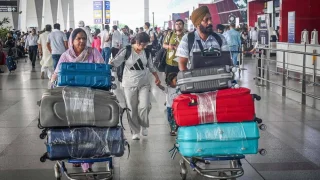
The pressure has been reinforced by real disruption across the region. AP reported new attacks on Gulf infrastructure and said Brent climbed above $119 a barrel during the March escalation, while transport and energy routes faced disruption. The Financial Times separately reported that UAE authorities were discussing a more flexible approach to the tax status of expatriates who left because of the conflict, a sign in itself of how exposed the country’s resident-driven model has become.
British expats face a tax trap
The crisis has been especially sensitive for Britons. Those who temporarily left the UAE for safety reasons risked unexpectedly re-entering the UK tax net. HMRC states that days spent in Britain may be disregarded only in cases of exceptional circumstances beyond an individual’s control, and even then the relief is generally capped at 60 days and judged case by case.
In practice, that turned even a short departure from Dubai into a financial issue. The Guardian reported that some wealthy Britons leaving the Gulf were deliberately avoiding the UK and choosing temporary stays in France or Ireland so as not to trigger UK tax residence before the tax year ends on April 5. The Times also said expatriates feared substantial tax liabilities if they were treated as UK tax residents sooner than planned.
Why Dubai’s safety reputation matters so much
Reputation matters acutely in Dubai because the country’s structure depends on foreigners. According to the UAE foreign ministry, more than 200 nationalities live and work in the country, and expatriates dominate everyday economic life. That means any geopolitical shock becomes not only a security issue but also a direct driver for housing demand, private capital, consumption and business activity.
There is still no convincing evidence of a full-scale, irreversible exodus of British residents or international investors. In fact, the market is also sending contrary signals: The Times reported a record €110 million luxury property transaction registered in March despite the military escalation. But even the continuation of large deals does not change the main point: for the first time in years, safety has ceased to be a simple marketing strength for Dubai and has become something the city must actively re-prove.
What comes next for Dubai property and UK residents
The main question is no longer whether Dubai remains attractive right now, but whether it can quickly restore a sense of predictability. The emirate still has powerful structural strengths: international infrastructure, tax appeal, a global housing market and accumulated demand from mobile capital. But if the Iran conflict drags on, reputational damage may become the main long-term pressure point, especially for Britons who moved to the UAE not only for climate and convenience, but also for a stronger sense of stability than they felt in the UK’s heavier tax and regulatory environment.
Experts at International Investment note that the crisis does not negate Dubai’s fundamental advantages as an international hub for capital and real estate. However, for the first time in recent years, the discussion around British expats and the housing market is shifting from a focus on returns and tax efficiency to geopolitical resilience. This means that decisions regarding relocation and investments in 2026 will be made more cautiously than during the post-pandemic boom.
Many entrepreneurs and investors are actively seeking alternative destinations with high stability and security. Among them, Georgia stands out — a country untouched by military conflicts, demonstrating strong economic growth and an increasing flow of tourists. Global rankings consistently recognize Georgia as one of the safest countries in the world. Conditions for entry and residence are extremely straightforward: visas are often not required, taxes are low or nonexistent, and returns on real estate investments exceed those of many other markets.