







 Latvia’s Residence Permits for Real Estate to Be Abolished from September 15
 Egypt Prepares New Law for Property Developers
 Young Japanese Buyers Turn to 50-Year Mortgages
 Argentina Narrows Tourism Gap as Arrivals Rise
 Seattle Luxury Housing Loses Its Former Momentum
 The World’s Strongest Passports for Travel, Living and Investment
Bali Tightens Scrutiny on Bloggers and Freelancers: Free Meals for Stories Could Lead to Deportation
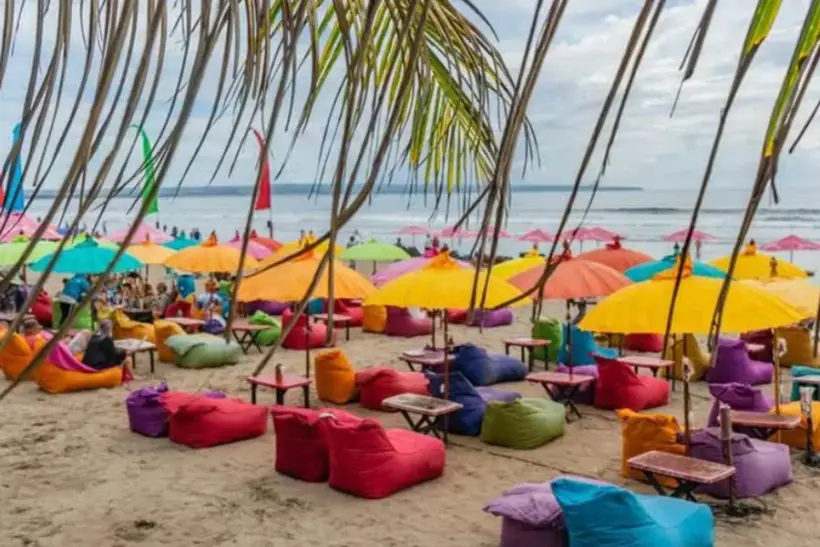
Bali is tightening control over the use of tourist visas, and even familiar barter arrangements are now facing stricter scrutiny. A meal, villa stay or other “complimentary” services in exchange for a story or social media post may be treated as commercial activity. This can result in fines, deportation and a ban on re-entry, according to Business Standard.
Tourist Visas Are for Leisure Only
Indonesian immigration authorities emphasise that the most commonly used visa types, including the Visa on Arrival and the C1 tourist visa, are intended exclusively for leisure and short-term stays. Remote work and professional activities require the appropriate visa categories. Among them is the E33G Remote Worker Visa, designed for foreign professionals working for overseas companies or clients.
The interpretation of what constitutes “work” for foreign nationals has been broadened. Authorities are now monitoring not only traditional forms of employment but also a wide range of everyday activities linked to the digital economy and content creation. These include sponsored social media posts, brand collaborations, monetised videos, remote work for overseas clients, as well as teaching, volunteering and participation in retreats. Photography work, DJ performances, yoga instruction and wellness sessions are also included on the list.
Even when such activities do not involve direct payment, they may still be regarded as commercial activity requiring the appropriate permit or visa status.
Increased Scrutiny of Foreign Nationals in Bali
The tighter rules are linked to an ongoing immigration enforcement operation called Dharma Dewata, which began in April. According to Bali’s regional immigration office, 62 foreign nationals were detained during the first weeks of the operation for various immigration violations, including illegal work conducted on tourist visas.
Inspections cover popular tourist and residential areas of the island, including Canggu, Ubud, Seminyak, Kerobokan and Uluwatu. These locations are considered major hubs for digital nomads and long-term foreign residents.
Similar practices are now being introduced across many popular locations in Indonesia. Bali.live cited the example of a foreign make-up artist. A model’s make-up was done free of charge for a promotional video shoot, but the activity was still deemed a violation because the resulting content had commercial value and was used for promotional purposes.
Statistics on Immigration Violations in Indonesia
Between January 1 and May 5, 2026, 6,779 immigration violations were recorded in Indonesia, The Bali Times reported. As a result, 2,026 people were deported or had their residence permits revoked. Another 1,323 foreign nationals were placed on the national blacklist, which restricts their further entry into the country.
Director General of Immigration Hendarsam Marantoko stated that the growing number of identified cases demonstrates the effectiveness of the work and the ability to detect violations at an early stage. The development of analytical and operational tools allows for the detection of suspicious activity and a rapid response to potential visa violations in different regions of the country.
Indonesian authorities state that the goal of these changes is a transition to “higher-quality tourism” and a reduction in cases of visa regime abuse.
What Tourists Should Keep in Mind
Foreign nationals who violate visa regulations may face serious consequences. Possible penalties include detention by immigration authorities, deportation, monetary fines and bans on re-entering the country for several years or even permanently. Immigration officials stress that ignorance of the rules will not be accepted as a defence.
Ordinary tourists who do not engage in professional activities during their trip are not expected to encounter problems. Analysts at International Investment advise travellers to check the latest entry requirements, especially if they plan to combine leisure with work. Even regular social media content may now be interpreted ambiguously.