







 Latvia’s Residence Permits for Real Estate to Be Abolished from September 15
 Egypt Prepares New Law for Property Developers
 Young Japanese Buyers Turn to 50-Year Mortgages
 Argentina Narrows Tourism Gap as Arrivals Rise
 Seattle Luxury Housing Loses Its Former Momentum
 The World’s Strongest Passports for Travel, Living and Investment
€1 Homes in Italy: A New Project in Sicily
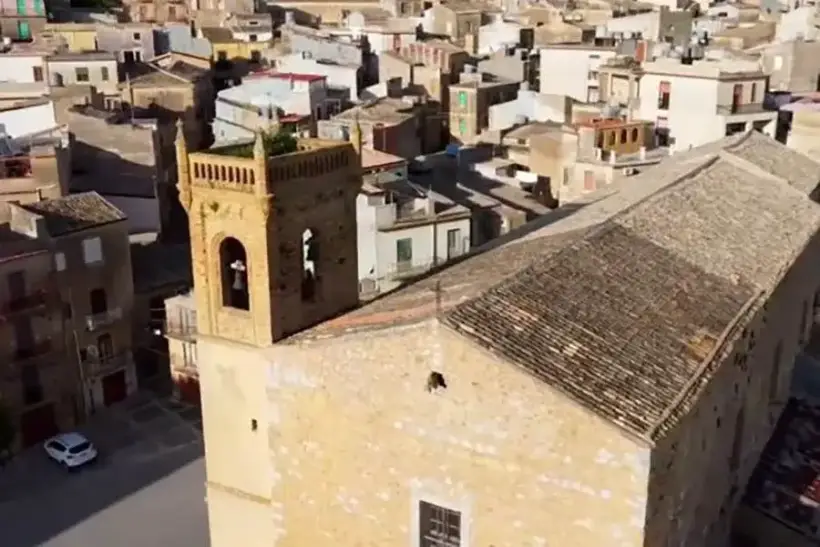
The Municipality of Naro, in the Sicilian province of Agrigento, began offering homes for €1 in July 2026, Idealista reports. The offer is open to both Italians and foreign buyers. The main mandatory condition is that purchasers renovate the buildings at their own expense.
Housing in Naro: Programme Objectives
Naro has become the latest Italian town where owners can sell vacant and dilapidated homes for a symbolic price. To launch the programme, the municipality approved specific regulations and created a catalogue of properties that had passed preliminary checks.
The municipality does not purchase the properties or become a party to the transaction. It checks the documents submitted by sellers and buyers, monitors compliance with the rules and acts as an intermediary between the parties. The programme is overseen by municipal official Ignazio Pio Di Gerlando.
The authorities aim to restore abandoned buildings in the historic centre, slow population decline and attract investment. Another objective is to support construction, services and tourism. Buyers must therefore not only acquire the property but also renovate it within the specified period.
Naro’s Location and Features
Naro is located inland in the province of Agrigento, approximately a 30-minute drive from the Valley of the Temples. The main beaches on Sicily’s southern coast can be reached in less than an hour. The nearest major airports are in Palermo and Catania.
The town has schools, shops and a weekly market. Naro is not entirely dependent on summer tourism and maintains a permanent population throughout the year. Properties can therefore be used either as homes or for hospitality businesses.
The historic centre is known for its Sicilian Baroque churches, palaces and streets. The surrounding area is associated with Naro almonds and wines made from the Nero d’Avola and Grillo grape varieties. These features could attract interest in tourism and food-and-wine projects.
Who Can Buy a €1 Home?
Any adult can apply, regardless of citizenship or place of residence. The programme is therefore open not only to Italians but also to foreign investors and Italian citizens living abroad.
Legal entities may also participate, including commercial companies, cooperatives, foundations and non-profit organisations. A property may be used as a permanent home, a holiday residence or tourist accommodation. Buyers may also open a B&B, guest house, albergo diffuso, shop, craft workshop or office in the building. The intended use must comply with local building and planning regulations.
How to Choose a Property and Apply
Available properties are published on case1euronaro.it. The portal is available in Italian, English, German, Spanish and French, allowing applications to be submitted from abroad.
The owner sends information about the property and photographs to the municipality. After the necessary checks, the property is added to the catalogue and assigned a unique code. Buyers must provide this code when submitting an application.
Each listing contains the property’s location, photographs of its façade and basic information about its condition. Before purchasing, however, applicants must commission their own technical survey and estimate the renovation costs.
After an application is submitted, municipal departments examine the documents and renovation plan. Filing an application does not guarantee that the property will be awarded.
€1 Homes in Other Italian Regions
The first homes offered at a symbolic price appeared in the Sicilian town of Salemi in 2008. The scheme was designed to restore dilapidated buildings and halt population decline in small towns. The model was subsequently adopted by municipalities across Italy.
By June 2026, more than 70 municipalities had launched similar programmes, according to Geopop. Most of the offers are concentrated in southern Italy. In Sicily, participating towns have included Mussomeli, Gangi, Sambuca di Sicilia, Troina, Cammarata and others. €1 homes have also been offered in Sardinia, Calabria, Apulia, Campania, Basilicata, Abruzzo, Tuscany, Liguria and several other regions.
Each municipality sets its own renovation deadlines, financial guarantee and selection rules. If several applicants are interested in the same property, preference is generally given to the candidate with the strongest proposal. Authorities may consider plans to move to the town, open a tourism or commercial business, improve the building’s energy efficiency, hire local contractors or complete the work ahead of schedule.
A town’s inclusion in the general list does not mean that homes are continuously available. Some application rounds have already closed, while others open periodically. Current listings and conditions should be checked on municipal websites.
How Much Does It Cost to Renovate a Dilapidated Home in Italy?
According to Geopop, partial renovation that does not require major structural or building systems work costs approximately €800–€1,000 per sq. m. Restoring a severely damaged building can cost €2,000–€2,500 per sq. m.
Renovating an 80 sq. m home in relatively good condition would therefore cost between €64,000 and €80,000. If the building requires major reconstruction, the expense would rise to €160,000–€200,000. For a 100 sq. m property, the upper range reaches €200,000–€250,000.
A bank or insurance guarantee, typically ranging from €2,000 to €5,000, must be added to this amount. For an 80 sq. m home, the initial budget including the guarantee would be €66,000–€85,000 for relatively straightforward work or €162,000–€205,000 for a severely damaged property.
These estimates do not include notary fees, taxes, title registration, architect or engineer fees, or the possible regularisation of previous alterations to the building. Such expenses may add several thousand euros. The financial guarantee is normally returned after the renovation is completed, but the buyer must have the money available during the work.
Is Buying a €1 Home Worthwhile?
International Investment analysts note that such a purchase can be attractive for someone who genuinely wants to live in a small Italian town and is prepared to oversee the renovation personally. In this case, the investment goes towards creating a home tailored to the buyer’s own needs. If the €1 price is the main attraction, however, the final costs may come as an unpleasant surprise: a completed home on the local market may sometimes be a more predictable option.
For investors, the symbolic purchase price has little effect on returns. The financial outcome depends on renovation costs, the duration of the work, tourism demand and the ability to resell the property. Naro’s proximity to the Valley of the Temples and the coast creates potential for a small hospitality or food-and-wine business, but does not guarantee occupancy or profit.
This model is most suitable for buyers who plan to live in the property, operate their own business there or hold it for the long term. €1 homes are considerably less suitable for quick resale or passive investment: in practice, the buyer is acquiring a redevelopment project with construction, administrative and market risks rather than a cheap asset.