







read also
 Australia’s Spring Auctions Rise but Remain Well Below 2025
 Number of Foreigners Holding Turkish Residence Permits Exceeds 1.27 Million
 Demand from Russian Tourists for Holidays in Georgia Rises by 20–25%
 Montenegro Property Buying Costs in 2026
 Four in Ten Companies Would Not Choose Slovakia
 Gulf Countries Prepare Unified Tourist Visa
Freezing Rain Paralyzes Central Europe
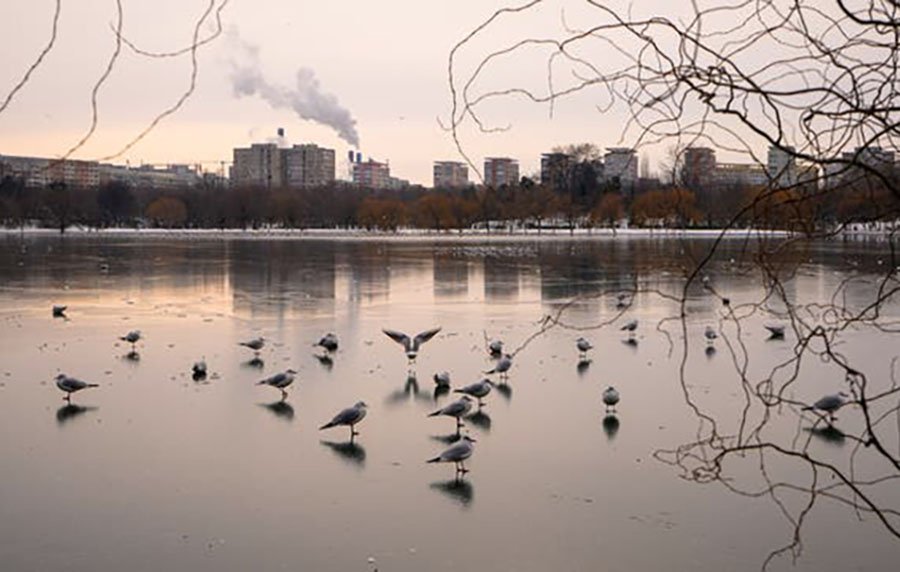
Photo: Independent
Central and Eastern Europe has been thrown into travel chaos as prolonged freezing rain grips Austria, the Czech Republic, Hungary, Slovakia and neighbouring countries. Severe ice accumulation has disrupted air travel, rail services and road networks, leaving thousands of passengers stranded and forcing authorities to issue widespread travel warnings.
Meteorological agencies across the region warn that hazardous conditions are likely to persist for several days, with ice continuing to form on runways, railway tracks and highways, complicating recovery efforts.
Austria at the center of disruption
Austria has been among the hardest hit. Vienna International Airport temporarily suspended all flight operations after freezing rain rendered runways unsafe. Numerous flights were diverted, triggering knock-on delays throughout the European aviation network.
Ground transportation around Vienna was also affected, as icy roads disrupted buses, taxis and airport transfers, compounding difficulties for stranded travellers.
Czech Republic and Hungary face aviation delays
In the Czech Republic, Prague’s Václav Havel Airport experienced flight cancellations and extended delays due to slippery runway conditions. Airport authorities warned passengers to expect longer waiting times as crews worked to clear ice and restore operations.
Hungary’s main airport in Budapest was also forced to halt operations temporarily. Although flights later resumed, continued freezing rain led to delays and diversions. The national weather service HungaroMet issued high-level alerts, advising the public to avoid non-essential travel.
Rail networks under strain in Slovakia
Slovakia faced significant rail disruption as ice built up on tracks across the country. Bratislava Airport briefly suspended operations for de-icing, while national rail operator ZSSK reported widespread train delays and cancellations, particularly around the capital.
Road conditions worsen across the region
Road transport has been equally affected. Black ice formed on highways, bridges and elevated roads, leading to accidents, closures and severe congestion. Authorities in all affected countries urged motorists to limit travel and exercise extreme caution.
Weather threat continues
Forecasts indicate that freezing rain and sub-zero temperatures will continue, with further ice accumulation and snowfall possible. Transport operators warn that additional disruptions may occur as long as conditions remain unstable.
Conclusion
The freezing rain crisis has highlighted the vulnerability of Central and Eastern Europe’s transport infrastructure to extreme weather. While authorities and operators are working to restore services, travellers are advised to monitor official updates closely and prepare for continued delays.
As reported by International Investment experts, the widespread freezing rain across Europe underscores the growing impact of climate-related disruptions on transport and logistics. Strengthening infrastructure resilience is becoming a critical priority for maintaining economic continuity and investor confidence across the region.