













Cuba may be left without air traffic for a month due to an acute shortage of aviation fuel
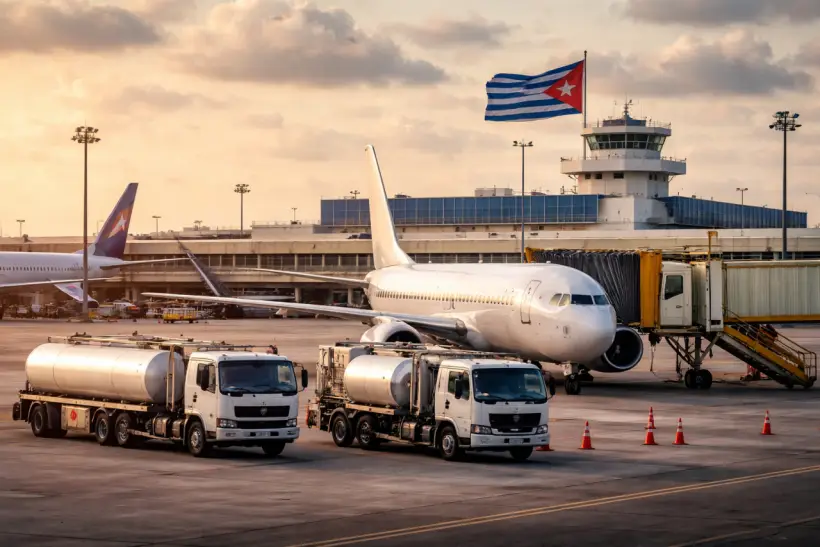
International air traffic to and from the island is at risk of disruption due to the lack of fuel for refuelling aircraft at the country’s key airports.
Cuban aviation authorities have informed international airlines that the possibility of refuelling aircraft with Jet A-1 aviation kerosene, the main type of fuel used in civil aviation, will be suspended at the republic’s airports.
According to the official NOTAM A0356/26, fuel will not be available from 05:00 UTC on February 10 to 05:00 UTC on March 11, 2026, at all nine international aerodromes in the country, including the largest one, José Martí International Airport in Havana.
The restrictions apply to the airports of Havana, Varadero, Cienfuegos, Santa Clara, Camagüey, Cayo Coco (Jardines del Rey), Holguín, Santiago de Cuba and Manzanillo, The Moscow Times reports.
Why the fuel shortage occurred
Cuba’s severe energy crisis has intensified in recent weeks amid the halt of oil supplies, including from Venezuela, and pressure from the United States, which includes restrictions on fuel imports to the island. Cuba imports most of the fuel it needs, including aviation fuel.
Cuban authorities link the fuel shortage to the worsening economic situation and external pressure, which has already led to reduced fuel supplies for transport and generators that provide electricity across the country, Reuters reports.
What this means for airlines
Without the ability to refuel aircraft in Cuba, airlines will have to look for alternative solutions:
* carrying additional fuel on board from other countries;
* making technical stops for refuelling en route in third countries;
* cancelling or rescheduling regular flights.
More than 400 weekly flights are expected to be affected due to the inability to guarantee fuel availability at Cuban aerodromes. This impacts both major international carriers from the United States, Europe, Panama and Mexico, as well as charter flights, especially during periods of increased tourist activity, AirHelp warns.
Impact on tourism and the economy
Air connectivity is critically important for Cuban tourism, which generates a significant share of foreign currency for the country’s economy. Possible flight cancellations and the need to seek alternative routes could lead to a decline in tourist flows, higher travel costs and more complex logistics for both tourists and carriers.
Experts at International Investment warn that a prolonged fuel shortage could worsen the already existing difficulties on the island, affecting connectivity with the outside world, logistics and the accessibility of international travel.