







 Vienna Leads Rentals, Alpine Resorts Earn More
 US Prepares to Revoke Up to 200,000 Visas of Asylum Applicants
 Denmark Pushes EU Toward Tougher External Borders
 New-Build Home Prices in Russia Rise 34% in Three Years
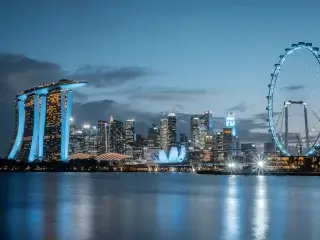 Singapore Core Inflation Hits Highest Since 2024
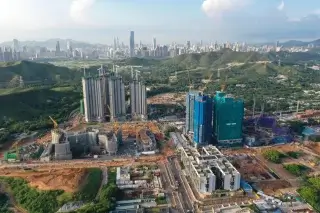 High Prices Cool Hong Kong New-Home Demand
Thousands of Tourists Stranded in Mexico’s Resort Cities
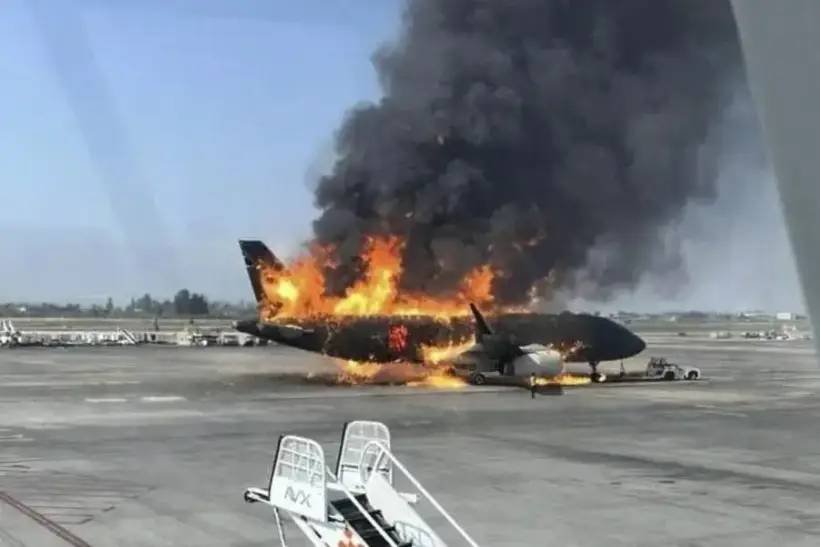
A wave of violence swept the country after the killing of a drug cartel leader
Mexican security forces killed Nemesio Rubén Oseguera Cervantes, known as “El Mencho,” the leader of the Jalisco New Generation Cartel (CJNG). The group responded with armed attacks, blocking federal highways and cutting off access to airports. Arson and clashes have been reported in several states, and airlines are canceling flights. Thousands of tourists, including Russian nationals, remain in resort cities and are unable to leave the country.
Resorts Turn Into Conflict Zones
The most tense situation has unfolded in Guadalajara and the resort city of Puerto Vallarta, according to Associated Press. Tourists on social media have described the scenes as a “war zone.” In Guadalajara, more than 30 incidents involving arson and road blockades have been recorded. The city temporarily emptied as residents sheltered in their homes and public transportation was suspended following the declaration of a “red alert.” The unrest has spread beyond Jalisco to neighboring states including Michoacán, Colima, and Guanajuato.
Alarmed tourists are attempting to leave Mexico but are unable to do so. Airports have seen large crowds gathering in terminals. United Airlines, American Airlines, Southwest Airlines, and Air Canada announced temporary cancellations of flights to Guadalajara and Puerto Vallarta. Some planes already en route to Mexico were diverted.
Tourists Urged to Stay Indoors
The U.S. State Department and Canadian authorities advised their citizens to shelter in place and avoid leaving safe locations. The Russian Embassy in Mexico also urged tourists to refrain from traveling to the state of Jalisco and advised those already in the region to take heightened precautions, avoid large gatherings, and stay indoors unless absolutely necessary.
According to the Russian Union of Travel Industry, between 3,500 and 5,000 Russian tourists were in Mexico as of February 23. Around 65–75% are independent travelers, while the rest purchased organized tour packages. At least 240 Russians are currently in Puerto Vallarta. Tourists report hearing gunfire and prefer to remain indoors. Tour operators have not reported mass cancellations or widespread requests for early returns.
What Triggered the Unrest
The escalation followed the killing of the leader of one of Mexico’s most influential drug cartels — the Jalisco New Generation Cartel. Nemesio Oseguera Cervantes, known as “El Mencho,” was killed on the morning of February 22 during a special military operation in the municipality of Tapalpa in Jalisco state.
According to Mexico’s Ministry of National Defense, troops engaged in a firefight with cartel gunmen after coming under attack. Oseguera was wounded and died while being transported to Mexico City. Army aviation units and special forces participated in the operation. White House officials stated that the United States provided intelligence support. In addition to Oseguera, three other cartel members were killed, two were arrested, and three were wounded.
Oseguera was considered one of the world’s most wanted criminals. The United States had offered a reward of up to $15 million for information leading to his capture. According to U.S. authorities, the cartel was responsible for large-scale drug trafficking into North America and Europe and had repeatedly targeted Mexican security forces.
Scale of the Escalation
Supporters of the cartel leader launched coordinated actions shortly after news of his death emerged. More than 250 roadblocks were set up across 20 Mexican states. Armed groups blocked highways, set vehicles on fire, and attacked infrastructure.
Reuters reported that in Jalisco armed individuals attacked a National Guard base, authorities suspended public transportation, and visitors were advised to remain inside hotels. In Aguascalientes, military vehicles were seen in residential neighborhoods. Traffic on the Mexico–Puebla highway was paralyzed. In Colima, armed groups in pickup trucks blocked roads. In Guanajuato, considered a CJNG stronghold, 55 incidents were recorded across 23 municipalities.
According to official data, 11 people were killed in the clashes, including members of the military and prosecutor’s office staff, and 22 participants in the unrest were arrested. Nearly 50 bank branches were burned or looted. Schools were closed in Jalisco and several other states.
Mexican President Claudia Sheinbaum stated that federal authorities have the situation under control and that most of the country continues to function normally. However, in affected regions the consequences have been serious and have directly impacted tourism infrastructure.
Political Context
In 2025, the administration of Donald Trump designated CJNG as a foreign terrorist organization. Analysts note that the death of El Mencho signals Mexico’s readiness to intensify its crackdown on cartels and strengthen cooperation with the United States.
U.S. Deputy Secretary of State Christopher Landau said he was watching developments with concern, emphasizing that such a reaction from criminal groups was expected. Previous arrests and killings of cartel leaders have also led to spikes in violence. In 2019, the arrest of Ovidio Guzmán, son of Joaquín “El Chapo” Guzmán, triggered widespread gun battles and his temporary release. His re-arrest in 2023 also sparked unrest. In 2024, the detention of Ismael “El Mayo” Zambada led to a prolonged power struggle within the Sinaloa Cartel.
Impact on the Tourism Sector
The events come just months before World Cup matches scheduled to take place in Guadalajara this summer. The large-scale arson attacks and road blockades have heightened concerns about security in one of the tournament’s host cities.
Analysts at International Investment note that the situation once again demonstrates the vulnerability of even major tourist centers to internal conflicts involving criminal groups. Resort infrastructure can become paralyzed within hours, creating direct risks for air travel, tour operators, and the hospitality industry. For the travel sector, this may mean higher insurance costs, potential route adjustments, and a more cautious assessment of security conditions in certain regions of Mexico in the near term.