











Middle East Crisis Drives Global Airfare Surge
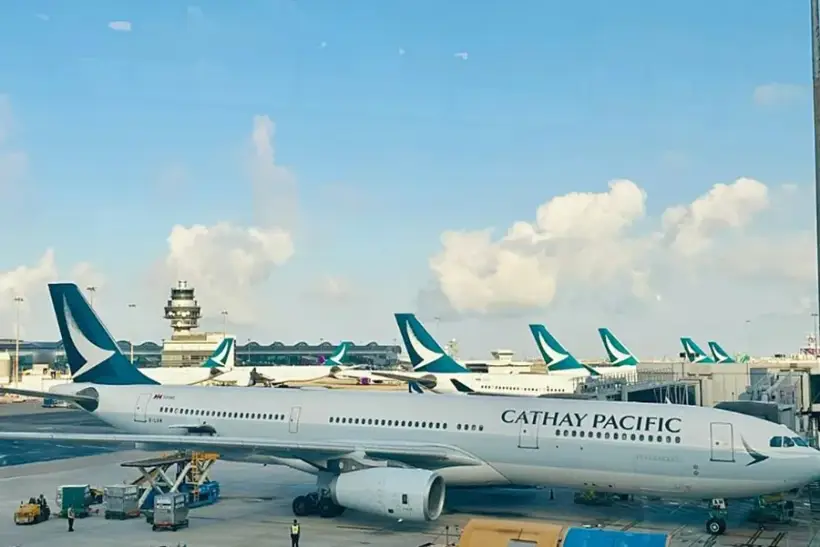
Escalation in the Middle East disrupts global aviation
The escalation of conflict in the Middle East in early 2026 has triggered a chain reaction across the global aviation industry. Rising oil prices, airspace restrictions, and longer flight routes have forced airlines to raise ticket prices sharply, effectively ending the era of widely affordable international travel.
The disruption has affected major aviation hubs and air corridors in countries including the United Arab Emirates, Qatar, Saudi Arabia, Israel, Iran, Bahrain, and Iraq. These states sit at the center of some of the busiest flight routes connecting Europe, Asia, and Africa.
As geopolitical tensions intensified, airlines such as Emirates, Qatar Airways, Etihad Airways, Lufthansa, Qantas, Air India, and IndiGo began adjusting fares and introducing additional surcharges to offset the rapidly increasing cost of operations.
Oil price spike pushes airline costs higher
One of the main drivers behind rising airfares has been the sharp increase in global oil prices. The Middle East remains the world's primary crude oil supply region, and any instability there immediately reverberates across global energy markets.
At the end of February 2026, oil prices surged dramatically from roughly $85–$90 per barrel to approximately $150–$200 per barrel within days. The rapid jump significantly increased jet fuel prices, one of the largest operational costs for airlines.
For most airlines, fuel represents a substantial portion of total operating expenses. As jet fuel prices climbed, carriers were forced to transfer a portion of those costs to passengers through higher ticket prices.
Long-haul routes connecting Europe, Asia, and North America have been among the most affected. Airlines based in the Gulf region, which operate major global hubs, are facing particularly strong financial pressure due to rising fuel costs.
Fuel surcharges become a core part of ticket pricing
To manage the cost surge, airlines have increasingly relied on fuel surcharges. These fees are added to the base ticket price and are designed to offset fluctuations in jet fuel prices.
By March 2026, many international airlines significantly increased these surcharges. Emirates introduced fuel fees of roughly $200–$300 on long-haul routes, while Qatar Airways added surcharges in the range of $175–$250. Air India imposed additional fees of up to $200 on certain long-distance flights.
Other carriers have also responded aggressively. IndiGo raised fuel surcharges by about 35 percent, while Qantas introduced additional segment-based fuel fees on international routes.
As a result, the structure of airline ticket pricing has changed considerably. Base fares often remain relatively stable, but the final ticket cost can double or even triple due to additional operational charges.
Airspace closures force costly flight detours
Another major factor behind rising airfare prices is the closure of several key airspace corridors. Countries including Iran, Iraq, Israel, and Syria have restricted or closed their airspace for commercial aviation.
These corridors previously served as essential routes connecting Europe with Asia. Airlines must now reroute flights through alternative paths such as Egypt, Saudi Arabia, or the Caucasus region.
The detours significantly increase flight duration and fuel consumption. Some flights between Tokyo and London now spend two to three additional hours in the air, burning thousands of extra gallons of fuel and increasing operational costs by tens of thousands of dollars per flight.
In some cases, long-haul routes that were previously non-stop now require technical refueling stops, adding further delays and logistical complexity for airlines and passengers alike.
Budget airlines face mounting financial pressure
Low-cost carriers have been particularly vulnerable to the fuel price surge. Budget airlines typically operate with narrow profit margins and therefore have less flexibility when fuel costs rise sharply.
As a result, several low-cost airlines have begun canceling routes, raising surcharges, or reducing capacity. Some carriers have temporarily suspended flights to certain destinations due to security risks or operational costs.
For example, flydubai has significantly reduced its flight network due to airspace restrictions and higher fuel prices. Other low-cost carriers in Europe and Asia are also adjusting schedules and raising ticket prices.
The result is a shrinking pool of affordable international flights that were once widely available to travelers around the world.
Global airfare increases across major routes
The aviation disruptions are already reflected in ticket prices on major international routes.
Flights between London and Singapore have risen from around €650 to approximately €1,650. The cost of flights between London and New York has climbed from about €750 to €1,850.
Similar price increases are being observed on routes connecting Australia with the United States and Europe with Japan. Even regional flights across the Middle East and Asia are experiencing noticeable price increases.
For travelers, this shift means significantly higher travel budgets and fewer affordable options for long-distance journeys.
Travel insurance policies face new limitations
Another complication for travelers comes from changes in travel insurance coverage. Many insurers have introduced exclusions for disruptions caused by war, military actions, or regional conflicts.
This means that if a flight is canceled or delayed due to the ongoing conflict, standard insurance policies may not provide compensation. In such cases, passengers often rely on airline refund policies or goodwill gestures from carriers.
Experts recommend that travelers carefully review their insurance coverage before booking flights, particularly when traveling to or through regions affected by geopolitical tensions.
The future of global aviation amid geopolitical risks
Analysts believe that if oil prices remain elevated, the aviation sector could face a prolonged structural shift.
Airlines may continue reducing routes, adjusting schedules, and increasing fares in order to maintain financial stability. Smaller carriers could face significant financial stress, especially those without fuel hedging strategies.
For passengers, the coming years may bring higher long-haul airfare prices, longer travel times, and fewer low-cost options for international travel.
As experts from International Investment report, if geopolitical tensions in the Middle East persist and energy markets remain volatile, global aviation may enter a period of structural adjustment in which air travel becomes more expensive and international flight networks gradually adapt to a new geopolitical and energy landscape.