







 Vietnam Mortgage Surge Pushes Homes Out of Reach
 Lithuanian Apartment Prices Accelerate Across Major Cities
 London Flats Lose Value Ahead of Leasehold Reform
 Construction of the Batumi–Sarpi Highway Begins in Georgia
 Baltic Property Investment Accelerates in 2026
 Hong Kong and Singapore Renew Their Expat Rivalry
Fuel Tankers Divert to Asia Amid Supply Crunch
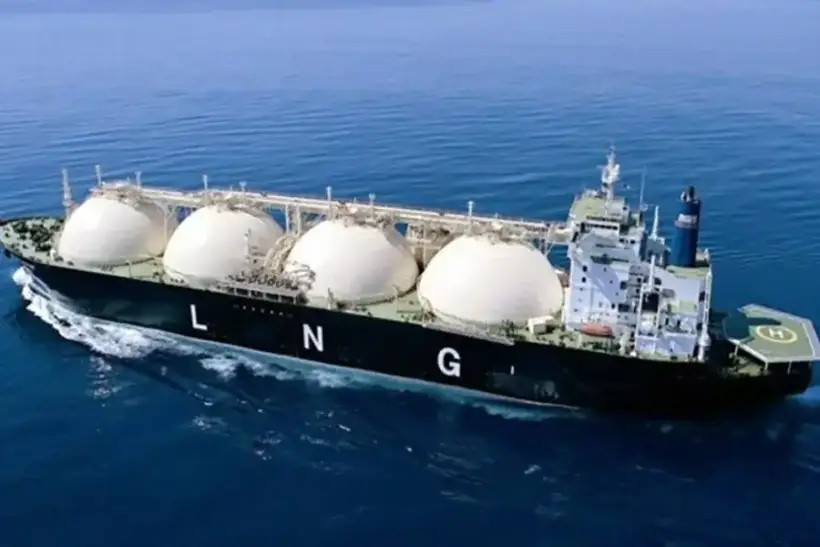
Middle East war reshapes global fuel shipping routes
The ongoing conflict in the Middle East is rapidly reshaping global fuel supply chains as tankers carrying diesel and jet fuel are being redirected from their original destinations toward East Asia.
According to ship-tracking data and industry sources, several vessels that were initially heading west toward Europe have reversed course in recent days and are now sailing toward Asian ports. The change reflects intense competition among buyers seeking to secure fuel supplies during a period of growing shortages.
Energy companies in Asia have reportedly been offering higher prices to attract cargoes that were originally scheduled for other regions. The shift highlights how the war in the Middle East is beginning to transform global energy logistics.
Five tankers reverse course toward Asian ports
Ship-tracking data indicates that at least five fuel tankers have recently changed course. The vessels carry cargoes including diesel and jet fuel.
Three of the shipments originated in India, while two departed from the Persian Gulf before access through the Strait of Hormuz became effectively restricted last week.
One of the most notable examples involves the tanker Brest, which was originally bound for Rotterdam in the Netherlands. The vessel later reversed course and is now signaling Singapore as its destination.
Such changes demonstrate how buyers in Asia are willing to pay higher prices in order to redirect cargoes already in transit.
Asia emerges as the center of fuel demand pressure
Asia is the world’s largest energy-importing region, making it particularly vulnerable to disruptions in crude oil and fuel supplies from the Persian Gulf.
As the Middle East conflict intensified, access to fuel supplies from the Gulf region became increasingly uncertain. This prompted traders and refiners across Asia to compete aggressively for available cargoes.
China has reportedly asked domestic refiners to reduce exports in order to preserve fuel supplies for the domestic market. Meanwhile, long lines have been reported at fuel stations in several parts of the region, indicating rising market stress.
Fuel prices surge across Asian markets
Fuel prices across Asia have climbed sharply in recent days as supply shortages begin to affect refining activity.
Refineries across the region have started reducing operating rates due to limited access to crude oil supplies. At the same time, modern refineries in the Middle East have reduced production as storage facilities become full.
The situation is further complicated by planned maintenance shutdowns at several Asian refineries that were scheduled before the conflict began.
Refineries typically purchase crude oil based on long-term operational cycles, meaning it can be difficult for them to rapidly increase production when supply disruptions occur.
Tankers changing direction highlight shifting trade flows
Among the vessels that have changed direction are tankers carrying tens of thousands of tons of refined fuel products.
The tanker Burri, loaded with approximately 110,000 tons of diesel from the Arabian Gulf, was initially sailing toward the Red Sea but is now heading to East Asia.
The vessel Brest, carrying around 150,000 tons of diesel loaded at the Indian port of Sikka, reversed course while sailing toward Europe and is now bound for Singapore.
Aspen Express, transporting about 35,000 tons of refined petroleum products loaded in Jubail, has also redirected its route toward Singapore.
Another tanker, Advantage Life, carrying around 100,000 tons of jet fuel, has shifted course and is now heading toward Southeast Asia.
The vessel Navig8 Honor, transporting roughly 65,000 tons of jet fuel, has also redirected its shipment toward Asian markets.
Global fuel markets begin to rebalance
The sudden rerouting of tankers illustrates how quickly global energy trade flows can change during geopolitical crises.
When shortages appear in one region, buyers are often willing to pay a premium to redirect cargoes even after they have already begun their voyage. As a result, global fuel shipping routes can shift within days.
Analysts say further escalation of the Middle East conflict could significantly reshape global oil and fuel trade flows, particularly if shipping routes through the Persian Gulf remain constrained.
As experts at International Investment report, the diversion of fuel cargoes toward Asia highlights the increasing volatility of global energy markets, where logistics routes, pricing dynamics, and regional competition for fuel supplies are rapidly shifting under the pressure of geopolitical conflict and disruptions to maritime trade routes.