













Bitcoin Holds the Line
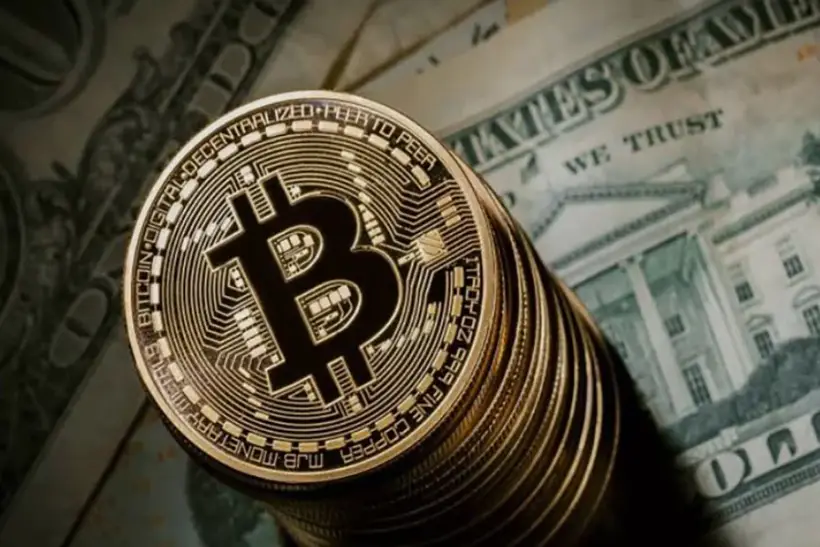
Bitcoin is holding near $70,000 as the war around Iran puts inflation back at the center of the global market narrative. On March 20, BTC was trading around $70,861 according to the market tool, after a volatile start to the month in which the token briefly slipped below the key threshold before reclaiming it as sentiment around the conflict and the energy shock shifted. Bloomberg had already reported on March 10 that bitcoin moved back above $70,000 as immediate war fears eased, while CoinDesk later said the token continued to trade near that level even as oil surged and other markets came under pressure.
Bitcoin price in March 2026 and the wider market response
Bitcoin’s move in March did not happen in isolation. As the conflict around Iran escalated, investors were forced to reassess inflation expectations, the path of interest rates and the resilience of energy supplies at the same time. In that setting, BTC stopped being viewed purely as a technology or momentum trade and moved back into the debate over whether it can function as a partial hedge against inflation shocks. Additional market reporting on March 20 showed traders watching inflation data and monetary policy closely as they assessed whether bitcoin could continue to defend the psychological $70,000 zone.
Iran conflict sent oil higher and revived inflation fears
The main transmission channel has been oil. In its March oil market report, the International Energy Agency said benchmark crude prices had risen by roughly $20 a barrel after hostilities began on Feb. 28, approaching $92, while about 20 million barrels a day of oil and refined-product exports were exposed to risk. By March 19–20, the scale of the shock had become clearer: AP and other outlets reported that Brent had spiked above $119 a barrel after attacks on regional energy infrastructure, with disruptions affecting major facilities in Qatar and across the Gulf.
ECB and Bank of England shift tone after energy shock
As energy prices jumped, major central banks became more cautious. The European Central Bank kept its benchmark rate at 2% on March 19 but explicitly warned that the Iran war was likely to lift short-term inflation through higher energy costs. The Bank of England also held rates at 3.75%, yet UK markets began pricing in the possibility of further hikes because rising oil and gas prices threaten to push inflation back above earlier expectations. The Financial Times and other reporting suggested that the conflict had once again weakened the case for rapid monetary easing in 2026.
Why bitcoin is holding near $70,000
Bitcoin’s resilience has become a market story of its own. CoinDesk reported on March 12 that since the conflict escalated on Feb. 28, BTC had gained about 7% and outperformed the S&P 500, Nasdaq 100, gold and silver, while remaining close to $70,000 even as Brent traded above $110. MarketWatch also highlighted an unusual pattern in which both the U.S. dollar and cryptocurrencies were attracting demand, suggesting that some investors were beginning to view bitcoin as a tool for coping with inflation risk rather than merely as a high-beta speculative asset.
Bitcoin’s inflation-hedge status is still not settled
Even so, the market is far from consensus. Barron’s wrote on March 20 that the Federal Reserve’s hawkish tone and the oil spike remain negative for crypto because higher inflation can mean higher-for-longer rates, a backdrop that usually pressures risk assets. Investopedia reported the same day that as Brent climbed and Jerome Powell warned about supply shocks, gold and bitcoin both fell, underscoring that BTC has not yet become an unambiguous defensive asset in the way gold has traditionally been treated. In practice, the market is testing two competing narratives at once: bitcoin as digital store of value and bitcoin as an asset still tied to liquidity and rate expectations.
Energy-driven inflation is reshaping the crypto market story
What makes this episode different is that crypto is once again trading in close alignment with macroeconomics rather than only sector-specific drivers. The war around Iran has lifted oil prices, revived the risk of a second inflation wave and forced investors to reprice rate expectations in the U.S., the UK and the euro area. In that context, bitcoin’s ability to remain near $70,000 looks less like an isolated move and more like an early signal that part of the market is testing its role in a renewed inflationary environment, even if final confirmation will depend on whether the energy shock proves lasting and how central banks respond.
As International Investment experts note, bitcoin’s ability to hold around $70,000 during the Iran war suggests that investors are increasingly treating BTC not only as a speculative vehicle but also as an asset exposed to inflation and geopolitical shocks, although its status as a full safe haven remains unproven and will depend on the next moves in oil, inflation and interest rates over the coming weeks.