










Ship Fuel Shortages Emerge
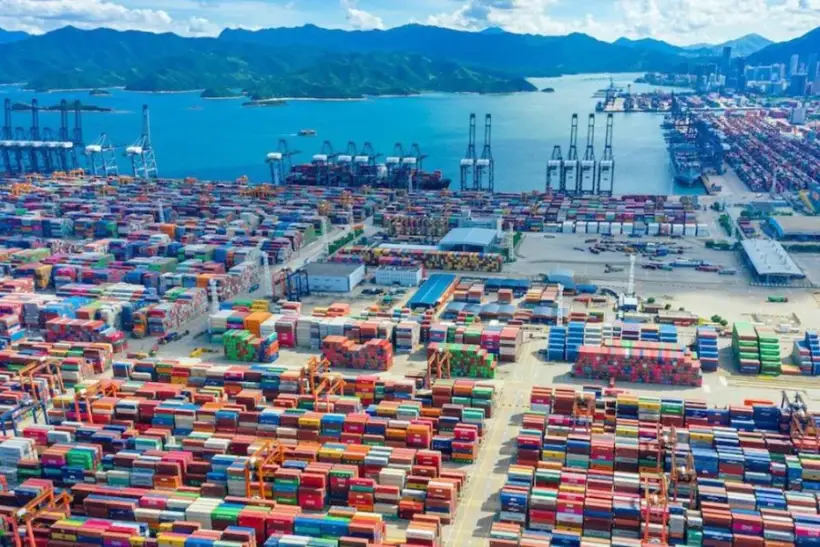
The Middle East war is beginning to create shortages of ship fuel, turning the energy shock into a new threat for global maritime trade. Bloomberg reported on March 19, citing a supplier, that signs of bunker-fuel scarcity were emerging as the conflict around Iran disrupted refined-product flows, bunkering logistics and supply routes. This marks the next stage of the crisis after the oil-price spike, export disruptions in the Gulf and the redirection of cargoes toward Asia.
How the Iran war triggered bunker fuel shortages
The shortages are developing within a wider regional energy shock. AP reported on March 20 that Iranian strikes on infrastructure in Qatar, Kuwait, Saudi Arabia, the UAE and Oman disrupted the energy supply chain, while the closure of the Strait of Hormuz worsened the breakdown in global energy trade. According to the International Energy Agency, benchmark crude prices rose by about $20 a barrel after hostilities began on Feb. 28, with roughly 20 million barrels a day of oil and petroleum-product exports exposed to risk.
For shipping, that shock is especially painful because the bunkering market depends not just on crude oil but on steady access to refined products, storage infrastructure and reliable marine corridors. Bloomberg reported on March 16 that the war had already triggered sharp swings and shortage concerns in Singapore, the world’s largest bunkering hub. That means the issue has moved well beyond the Gulf and is now affecting the main centers that keep the global fleet supplied.
Singapore and Asia come under fresh supply pressure
The shift in fuel flows toward Asia was one of the first signs of tightening supply. Bloomberg reported on March 9 that five tankers carrying diesel and jet fuel that had been heading west turned around and sailed toward East Asia as shortages there worsened. AP also reported on March 20 that Asian countries had begun emergency conservation measures because the conflict and the risks around Hormuz were disrupting fuel availability.
That matters for ship fuel because Asia is not only the largest manufacturing region but also the core zone of global seaborne trade, where any reduction in available fuel quickly feeds through to freight rates, scheduling and transport costs. The Financial Times reported on March 20 that demand destruction had already begun, with refined-product shipments from major Asian exporters down 30% to 35% and shortages especially acute in diesel, jet fuel, naphtha and LPG. While FT was describing the broader energy market, those figures imply stronger competition for available product and extra pressure on bunker supply.
Maersk and carriers are changing fuel and operating plans
Shipping lines have already begun adapting their operating models. In a Middle East operational update published on March 17, Maersk said the disruption had led to booking changes, emergency freight rates and fuel-surcharge adjustments tied to the Strait of Hormuz crisis. That shows ship-fuel scarcity is no longer a theoretical threat but a direct input into pricing and operating decisions.
At the same time, Bloomberg and industry reporting indicate that suppliers and carriers are physically repositioning resources between regions. Fuel is being moved from Europe and the U.S. toward Asia, where the strain appears greater. Even where some of the detail comes from trade reporting, the broader trend is supported by the already documented U-turn of cargoes toward East Asia and the mounting pressure on Singapore’s bunker market.
Ship fuel shortages are raising the cost of global trade
A bunker-fuel shortage is not only a problem for shipowners. When marine fuel becomes more expensive or harder to secure, carriers raise fuel surcharges, reroute vessels, and face higher insurance and freight costs, which then feed into import prices, export pricing and the cost of goods. AP reported on March 20 that the fallout from the energy shock is already hitting Asian economies hardest because they depend heavily on imported fuel and maritime logistics. The Guardian reported the same day that even Europe’s largest airlines were warning of higher fares because of the fuel-price spike, underscoring how the shock is spreading through the broader transport system.
That is especially dangerous for world trade in 2026 because supply chains had only recently begun to normalize after earlier disruptions. The war around Iran is now making fuels, routes and transport-supply nodes vulnerable at the same time. If bunker shortages deepen, pressure will be felt by container lines, tanker operators, ports and businesses that rely on predictable delivery schedules.
What comes next for shipping and bunkering
There is still no basis to say the shortage has become universal or irreversible, but signs of stress are already strong enough to influence the behavior of suppliers and carriers. The key variable remains the duration of the conflict and whether product flows through the Gulf and Asia can normalize. The longer attacks on energy infrastructure and restrictions around the Strait of Hormuz continue, the more likely it is that ship-fuel scarcity will evolve from a regional supply dislocation into a global driver of higher transport costs.
As International Investment experts note, emerging shortages of ship fuel show that the Iran war is no longer only an oil-price story but a logistics shock with direct consequences for global trade costs, freight pricing and supply-chain stability, and if the disruption persists, bunker availability may become one of the clearest channels through which the Middle East conflict feeds into inflation worldwide.