







 Vietnam Mortgage Surge Pushes Homes Out of Reach
 Lithuanian Apartment Prices Accelerate Across Major Cities
 London Flats Lose Value Ahead of Leasehold Reform
 Construction of the Batumi–Sarpi Highway Begins in Georgia
 Baltic Property Investment Accelerates in 2026
 Hong Kong and Singapore Renew Their Expat Rivalry
Kuwait’s Largest Port Catches Fire After Iranian Drone Attack
The country faces a looming humanitarian crisis
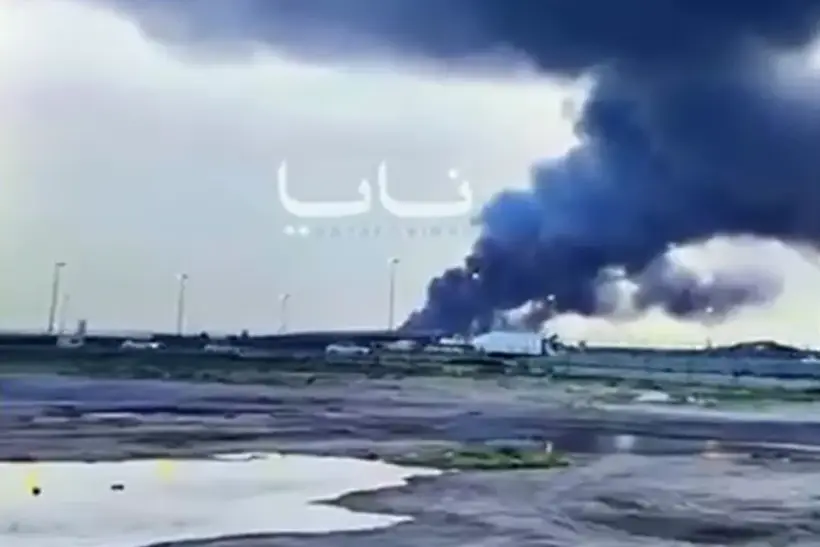
Iranian drones attacked two key Kuwaiti ports — Shuwaikh and Mubarak Al-Kabeer — on March 27, Gulf News reported. No casualties were reported, but material damage was recorded and significant consequences are possible. Maritime trade in the region is at risk of disruption. The situation in the Persian Gulf continues to deteriorate despite calls from Europe and the United States to limit strikes on infrastructure.
Strike on Kuwait’s Main Commercial Port
Iranian drones damaged parts of Shuwaikh Port, which handles the bulk of commercial cargo and supplies the country with essential goods. Emergency services quickly contained the damage, extinguished fires, and restored control over port operations. The Kuwait Ports Authority (KPA) is conducting a detailed damage assessment and strengthening security measures to prevent disruptions to logistics.
Iran also struck Mubarak Al-Kabeer Port, which is under construction in the north of the country. The Ministry of Public Works activated protective measures, recorded damage, and increased security at the site. The incident exposed vulnerabilities in infrastructure and highlighted the need for a comprehensive approach to port security.
Tribune recalls that on March 20, Iranian drones hit a Kuwaiti oil refinery, causing a fire.
Attacks on Other Countries
Iranian authorities have pledged to retaliate after damage to the South Pars gas field, which holds the world’s largest gas reserves and is critical for domestic supply.
European leaders have called for an end to strikes on energy infrastructure in the Persian Gulf. The United States has issued a similar appeal, but so far without the desired effect. Iran continues to strike neighboring countries, including Israel, the UAE, and Saudi Arabia.
Consequences for the Middle East War
Damage to infrastructure in Persian Gulf countries has driven another increase in oil and gas prices and heightened concerns about long-term disruptions to global supplies. Iran retains control over the strategically vital Strait of Hormuz, through which about one-fifth of global oil and liquefied natural gas (LNG) trade passes.
A strike on Qatar’s Ras Laffan gas complex could lead to losses of up to $20 billion per year, with repairs expected to take up to five years. This could trigger a prolonged rise in energy prices that outlasts the conflict itself, fueling inflation and reducing consumer spending.
“Short-term disruptions cause price volatility. Sustained damage leads to lasting economic shocks,” said Robert Pape, a political scientist and military expert at the University of Chicago. He added that a regional war could escalate into a global economic crisis. He also warned of further escalation that could lead to a limited ground invasion by the United States and Israel aimed at securing control over the Strait of Hormuz.
Analysts at International Investment note that the attacks are destabilizing the Persian Gulf, creating risks for trade flows and forcing regional countries to strengthen the protection of strategic assets. There are also indications that Middle Eastern states that have long maintained neutrality may be drawn into the conflict.