







 US Prepares to Revoke Up to 200,000 Visas of Asylum Applicants
 Denmark Pushes EU Toward Tougher External Borders
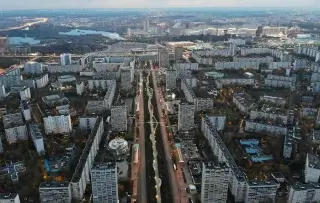 New-Build Home Prices in Russia Rise 34% in Three Years
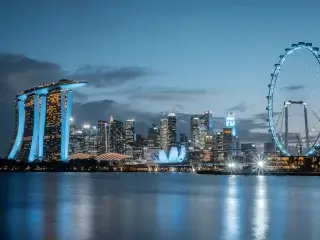 Singapore Core Inflation Hits Highest Since 2024
 High Prices Cool Hong Kong New-Home Demand
 Housing rent in Tirana takes up 93% of the average salary
Hong Kong Expands IPO Banker Licenses

Hong Kong steps up licensing for IPO work
Hong Kong sharply increased the number of new licenses for professionals working on initial public offerings, or IPOs, in March 2026. The Securities and Futures Commission, or SFC, granted 43 new licenses for advising on corporate finance, up 53% from February’s low, according to Bloomberg, with the same figure also reported by The Business Times and China Daily Hong Kong.
These permits relate to so-called Type 6 activity in Hong Kong’s regulatory system, which means advising on corporate finance. That category is central to IPO execution because it covers the work done by bankers and sponsor teams that guide companies through listing preparation and regulatory review. The SFC’s licensing handbook defines Type 6 precisely in those terms.
A talent shortage emerged as listings rebounded
The increase in March licenses points to a broader staffing gap that emerged after several lean years in Hong Kong equity issuance. Bloomberg reported in February that banks were struggling to find enough qualified bankers to handle a swelling pipeline of listing deals. According to that report, the stock exchange and the SFC had warned 13 investment banks responsible for more than 70% of over 430 active listing applications about capacity constraints and insufficient staffing.
The shortage has been compounded by tighter regulatory scrutiny. In a February circular, the SFC said it was concerned that a growing number of members of sponsor transaction teams were unfamiliar with relevant regulatory requirements and lacked sufficient experience and resources to handle Hong Kong IPO applications. South China Morning Post separately reported that the regulator ordered 13 banks to review their listing application and staffing procedures after finding widespread deficiencies in submissions.
The regulator is adding capacity without lowering standards
March’s rebound in licensing does not mean standards have eased. Bloomberg and China Daily Hong Kong said the latest number still remains well below the historical average of more than 100 such licenses a month seen before the crackdown on weak IPO paperwork and staffing shortcomings. That suggests the regulator is trying to relieve a bottleneck while preserving a high bar for market entry and document quality.
The SFC’s public register shows that updates for licensed persons and registered institutions for March 2026 were formally published on April 1, including additions and changes to regulated activities. That confirms the March licensing move is reflected in the official registry rather than only in media reports.
Hong Kong’s IPO market is regaining global scale
The staffing squeeze mirrors a much stronger primary market. Deloitte said on April 8 that Hong Kong could rank among the world’s top three IPO venues in 2026, with around 160 new listings raising at least HK$300 billion. In the first quarter alone, the city had already recorded 40 listings that raised HK$109.9 billion, five times the amount raised a year earlier and the strongest start in five years.
PwC has projected an even stronger outcome, estimating about 150 listings and HK$320 billion to HK$350 billion in proceeds in 2026, supported by a pipeline of more than 300 applicants. PwC also said Hong Kong reclaimed the top global position in IPO proceeds in 2025 with nearly HK$285.8 billion raised, while Deloitte put last year’s total at 114 listings and HK$286.3 billion.
Why Type 6 licenses matter so much
Under Hong Kong’s listing framework, sponsors play a critical gatekeeping role. They help prepare issuers for listing, oversee due diligence, and are accountable for the quality of parts of the information submitted to regulators and the exchange. That makes both corporate licenses and qualified individuals essential. The SFC’s rules and guidance say firms and staff involved in corporate finance work must be able to demonstrate adequate resources, competence and suitability.
That is why the issue cannot be solved simply by issuing more permits. Banks need fully staffed teams capable of running multiple large mandates under closer scrutiny of paperwork, internal controls and due diligence standards. In that context, March’s rise in licenses looks more like a partial easing of pressure than a full resolution of the shortage.
As International Investment experts report, the rise in new licenses shows Hong Kong is trying to rebuild execution capacity for a new listing cycle without relaxing supervision. For issuers, that points to a more disciplined and potentially more expensive path to market. For Hong Kong, it is part of a broader effort to defend its standing as an international listing hub as competition from New York and other Asian venues intensifies.
FAQ
What happened to IPO banker licensing in Hong Kong?
Hong Kong’s regulator granted 43 new corporate finance advisory licenses in March 2026, up 53% from February.
What is a Type 6 license in Hong Kong?
A Type 6 license allows regulated activity in advising on corporate finance, which is a core requirement for IPO advisory and sponsor work.
Why is there a shortage of IPO bankers in Hong Kong?
Banks cut staffing during a prolonged downturn in dealmaking, then faced a rapid rebound in listings while regulators simultaneously tightened scrutiny of deal quality and staffing adequacy.
How strong is Hong Kong’s IPO market in 2026?
Deloitte said Hong Kong could see about 160 IPOs raising at least HK$300 billion in 2026, while first-quarter proceeds already reached HK$109.9 billion from 40 listings.
What does this mean for companies planning a Hong Kong IPO?
Issuers are likely to face tighter document review, high demand for experienced advisers and potentially higher execution costs even as licensing numbers begin to recover.