







 How Ukraine’s New-Build Housing Market Has Changed Over Four Years
 European Prime Rents Rise as Property Yields Turn Higher
 The Most Expensive Airlines in Europe in 2026
 Housing Prices in Italy Reach a Two-Year High
 Travellers Increasingly Choose Cooler Scandinavia
 Serbia Property Sales Decline as Transaction Value Rises
Global inflation accelerates amid Middle East conflict
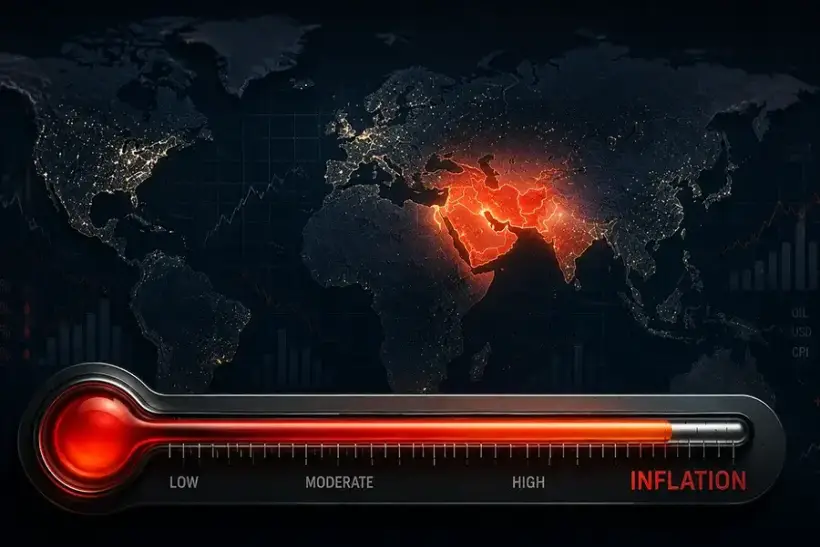
The global economy is facing a new wave of price pressure due to the conflict in the Middle East. Rising energy costs and disruptions in supply chains are intensifying inflation across major economies, including the United States, Europe, and Asia. Pressure on household incomes is increasing, while central banks are revising interest rate plans, Bloomberg reports.
United States: prices and incomes
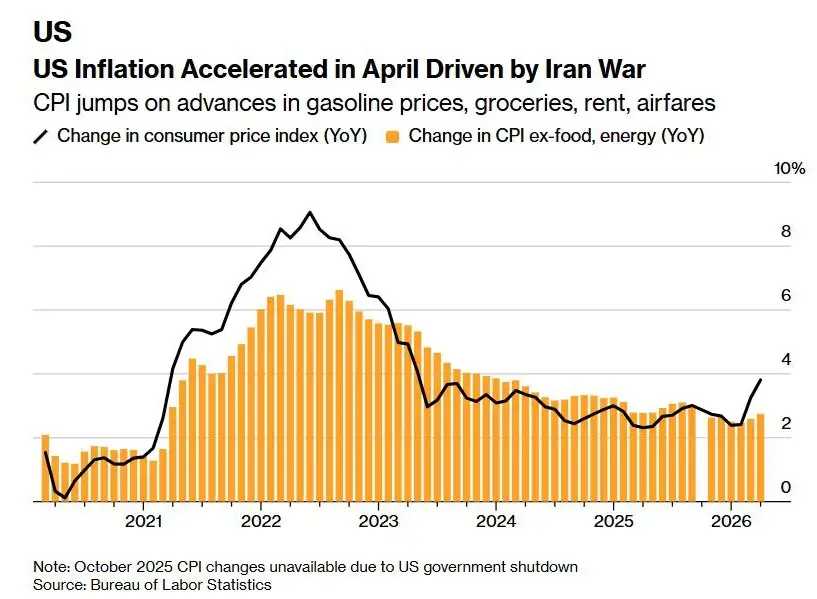
In the United States, the pace of price growth has reached its highest level since 2023. The main contributors were gasoline, food, housing rents, and airfares. This is reducing household purchasing power and increasing financial strain on household budgets. Real incomes declined in April as price growth outpaced wage gains. This is the first such decline since 2023 and a sign that wage increases are no longer offsetting rising prices.
Data from the Federal Reserve’s annual survey on household financial conditions shows that inflation remains the key concern for most Americans. At the same time, anxiety about the labor market is increasing: the share of respondents who consider finding or keeping a job a serious problem rose from 37% in 2024 to 42% in 2025.
Europe: markets and interest rates
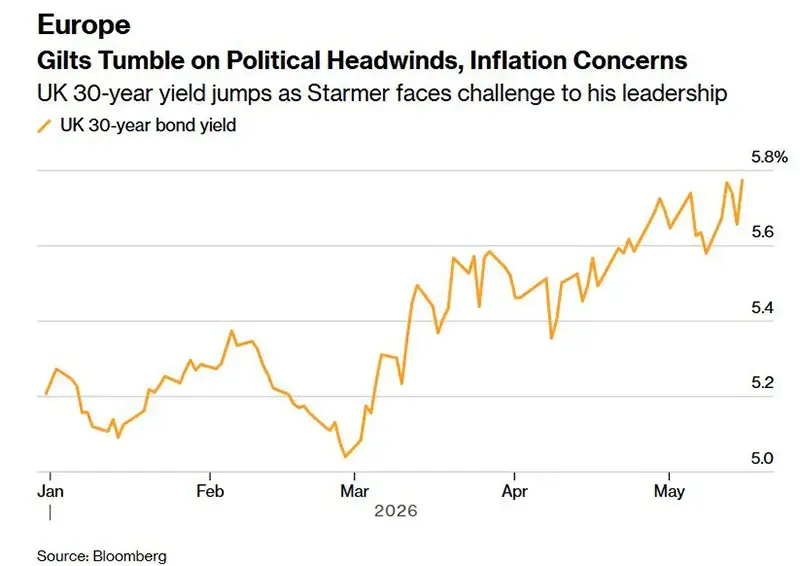
In Europe, pressure on financial markets and economic indicators has intensified amid political uncertainty and inflation risks. In the United Kingdom, long-term government bond yields rose sharply following news of a potential leadership struggle within the ruling party. The yield on 30-year bonds, which are most sensitive to political risks, increased by 20 basis points to 5.86%, the highest level since 1998.
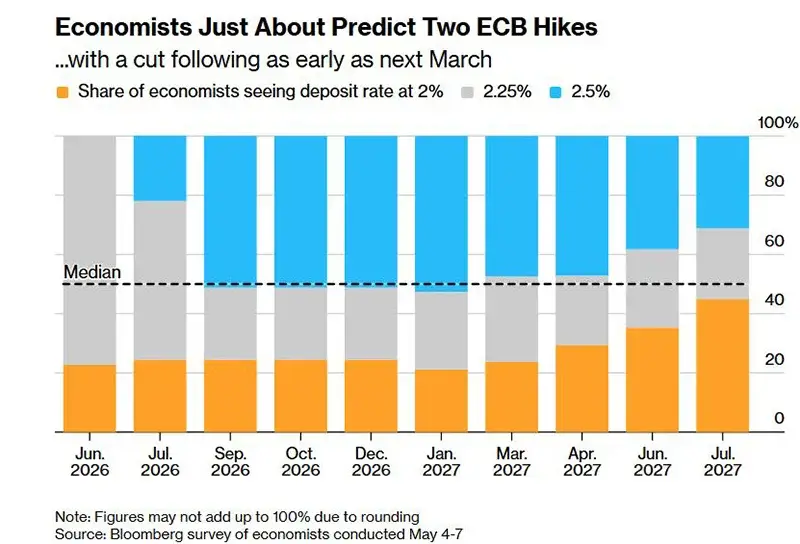
In France, unemployment rose to a five-year high, highlighting signs of weakness in the eurozone’s largest economy and raising concerns about the sustainability of the region’s recovery. Economists surveyed by Bloomberg expect the European Central Bank to raise interest rates by 0.25 percentage points twice — in June and September — as inflationary pressure persists.
Asia: financial imbalances
In Asia, price pressures are increasing and risks of overheating in certain markets are growing. In Japan, yields on 20-year government bonds rose amid high energy prices, which are adding to inflationary pressure and pushing long-term debt yields higher.
In China, producer prices reached their highest level since 2022 due to rising input costs linked to the conflict. Consumer inflation rose to 1.2% year-on-year in April, while analysts had expected weaker growth.
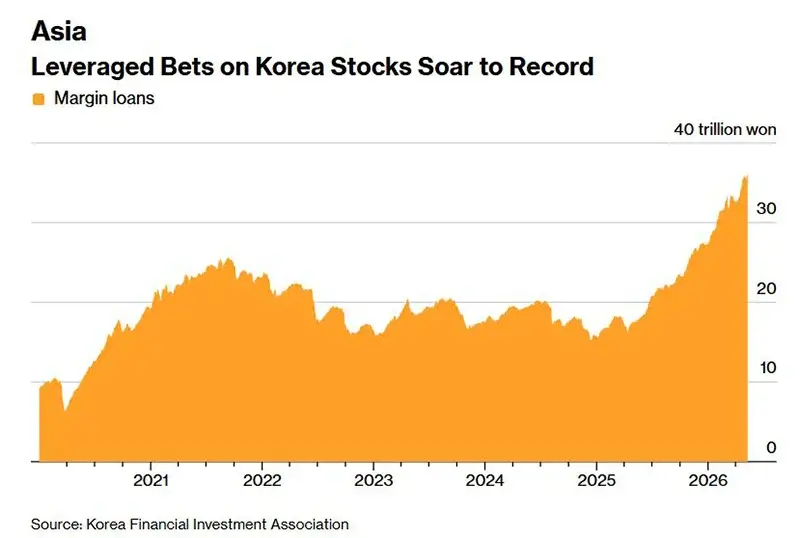
In South Korea, borrowing to invest in stocks has reached a record level. The stock market has risen by about 200% over the past year, increasing leverage usage and raising overheating risks.
In India, authorities raised import tariffs on gold and silver in an effort to support the currency and strengthen international reserves amid external pressure linked to the energy shock.
Russia and Cuba: structural shifts
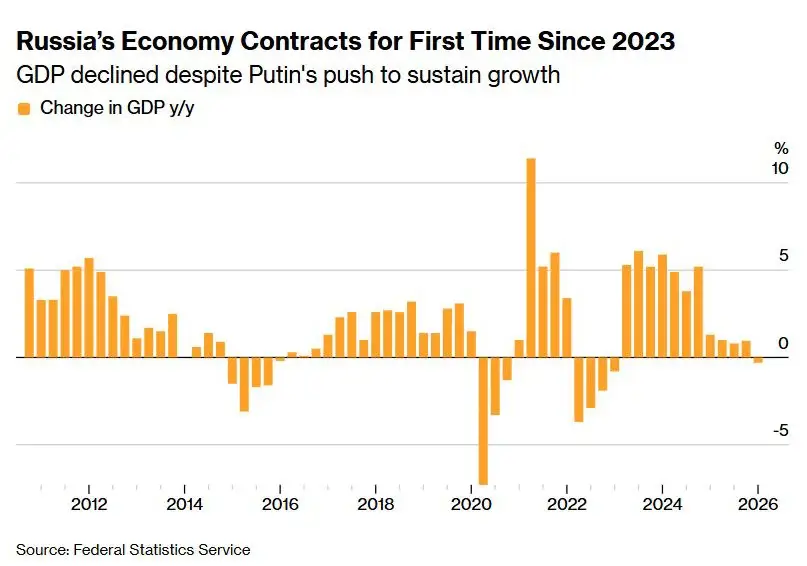
In Russia, the first economic contraction since 2023 has been recorded. In Q1 2026, GDP fell by 0.2% year-on-year, reflecting a slowdown in business activity after a period of growth.
In Cuba, severe shortages of food and fuel persist. Against this backdrop, the role of the private sector is expanding: the share of self-employed individuals and non-state workers has reached nearly 40% of employment, compared to about a quarter in 2011.
Outlook for the global economy
The Federal Reserve Bank of New York reports that the global supply chain pressure index has risen to its highest level since 2022. This reflects deteriorating international trade conditions and rising business costs. Analysts at International Investment note that such disruptions intensify inflationary pressure and could trigger another wave of price increases comparable to periods of heightened instability in recent years.
Meanwhile, tensions in the Middle East persist. Negotiations have made no substantial progress, and mediation efforts have not produced lasting results. Periodic attacks on infrastructure facilities are being recorded in Gulf countries. This reduces expectations of a quick resolution and increases uncertainty in energy markets and the global economy as a whole.